 Careers
 Poslovi
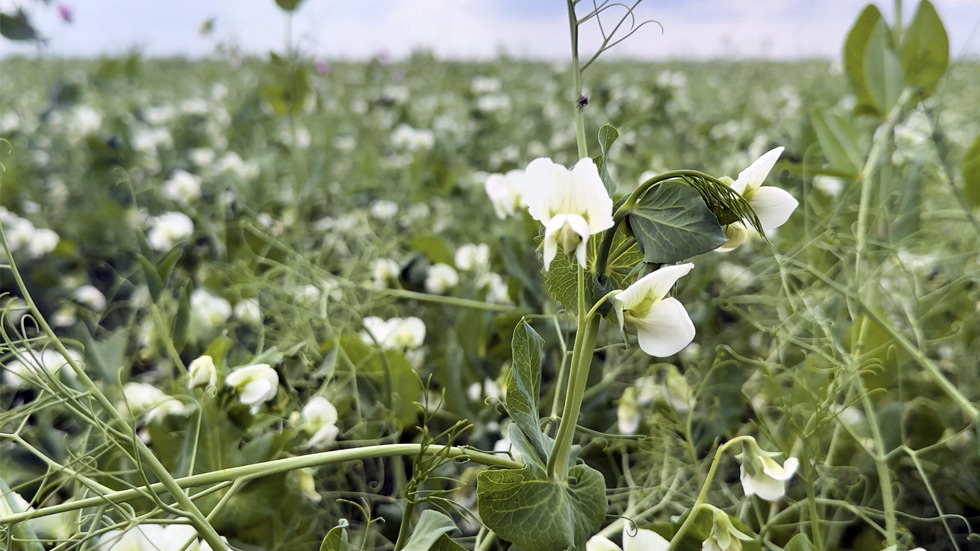
The current disruption in the Strait of Hormuz has brought the fragility of global food supply chains back into focus, and the fertiliser shortages and price spikes it has triggered are a reminder of how exposed the food system really is. But the discussion keeps circling back to the same assumption: that modern food production requires synthetic nitrogen, synthetic pesticides, and commercial seed from a small number of dominant suppliers. It doesn’t.
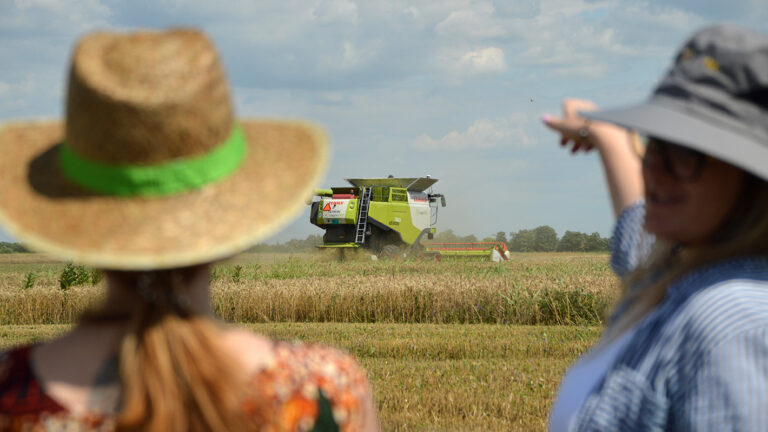
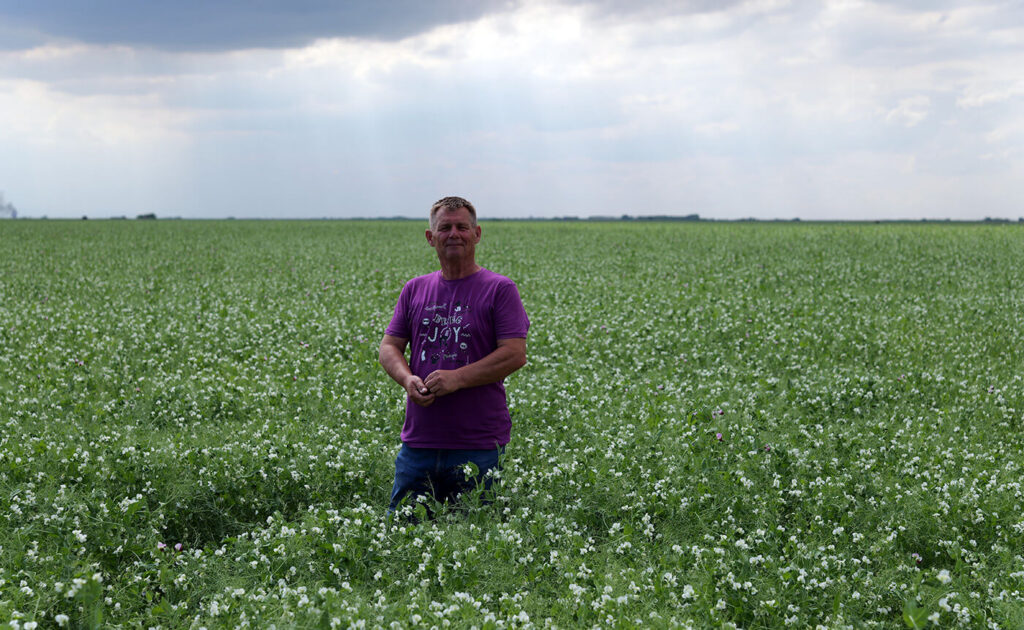
We know because we farm 3.250 hectares of certified organic arable land in Serbia without synthetic nitrogen or synthetic pesticides.
Around one-third of the global fertiliser trade passes through that corridor, and the disruption has already tightened supplies and driven fertiliser prices sharply higher. Most of the world’s nitrogen fertiliser still depends on fossil-fuel-based ammonia production, leaving farmers exposed to energy shocks and geopolitical risk.
That exposure is not new. In 2022, Russia’s invasion of Ukraine triggered a similar shock across fertiliser, grain, and energy markets. Food prices hit record highs globally, while many countries imposed export restrictions to protect domestic supply. The system wobbled, recovered, and went right back to the same structural dependency.
The real issue is not supply. It is design.
What if the fertiliser shortage didn’t threaten your next harvest?
At LoginEKO, we farm 3.250 hectares of certified organic arable land in Vojvodina, Serbia. No synthetic fertilisers, no synthetic pesticides, no animal manure.
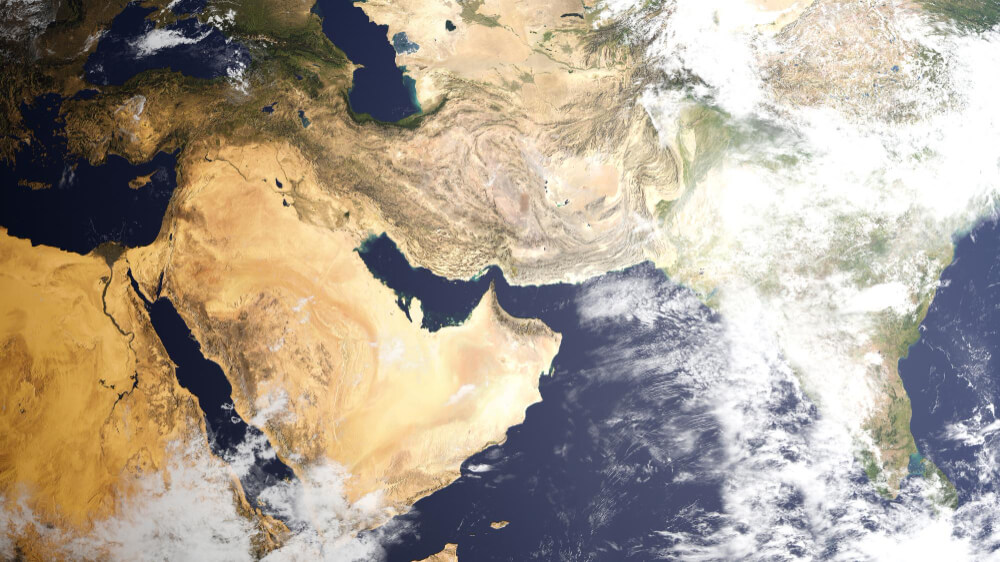
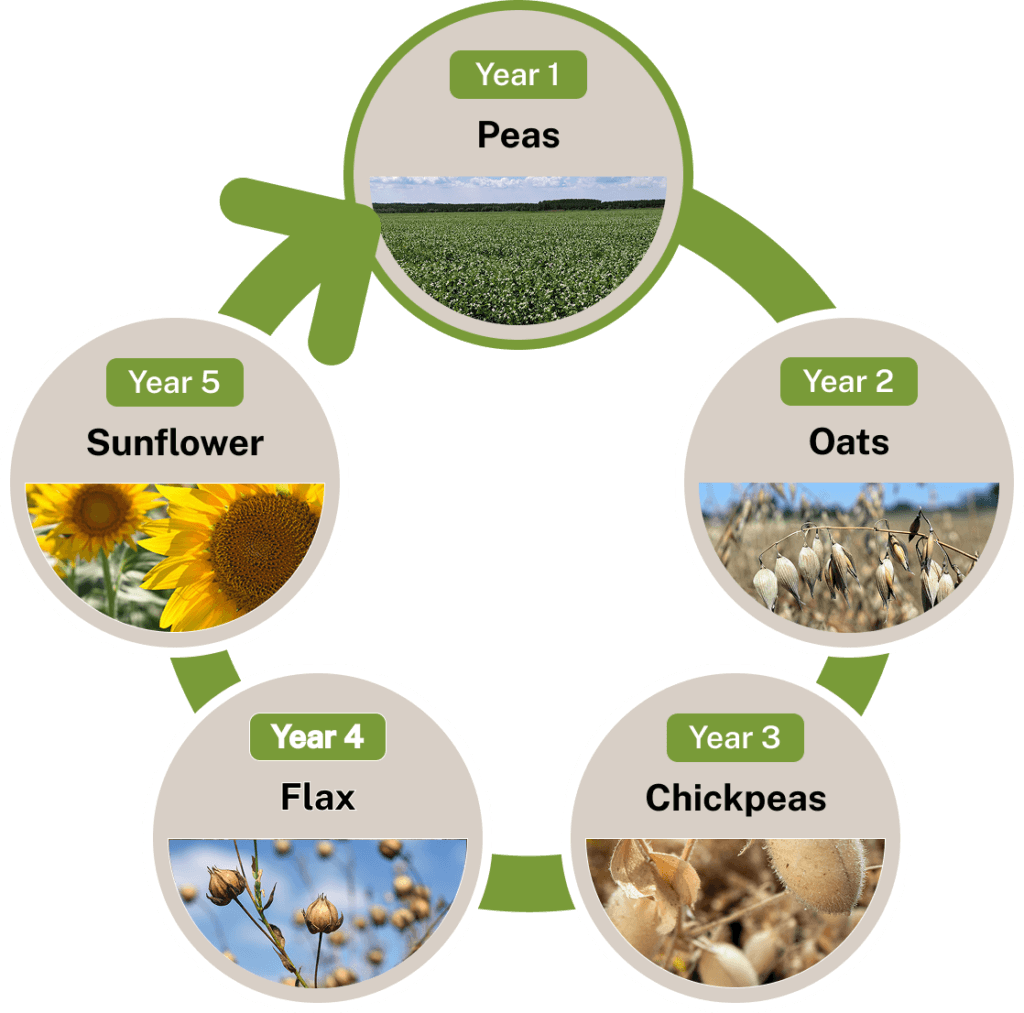
Our nitrogen comes from legumes in a five-year crop rotation. Winter peas, through root-associated bacteria, fix atmospheric nitrogen and supply it to the crops that follow. We explained the full process in How to Get Free Nitrogen from Legumes.
That means no synthetic nitrogen input, no dependence on volatile fossil-fuel markets, and no shipping route standing between soil fertility and the next harvest.
For phosphorus, we apply Euronature, a product certified for organic production, only as needed, typically once every four to five years. We currently have no potassium deficiency in our soils.
Seeds: the other dependency behind the fertiliser shortage headlines
The fertiliser crisis gets the headlines, but seed dependency is another structural vulnerability in modern farming. Many commercial seed markets are highly concentrated, especially in crops such as sunflower, maize, rapeseed, and sugar beet. We save our own seed for most crops: flax, wheat, oats, peas, chickpeas, and broad beans, which reduces dependence on external suppliers and exposure to supply chain disruptions. Sunflower seed is the only seed input we still purchase externally.
Rotation, not intervention
Our five-year crop rotation does much of the work that synthetic inputs are expected to do in conventional systems. It maintains soil fertility, breaks pest and disease cycles, and minimises field operations. Several of our winter crops require zero interventions between sowing and harvest. In 2025, for example, our wheat was sown in autumn and harvested in summer with nothing in between.
This is not a small demonstration plot or a research trial. Across the farm, we harvested 9.870 tonnes of high-quality organic crops in 2025. We broke down the full results in Our 2025 Harvest Results | Organic Yields, Grain Quality & Field Operations.
The real question about food security
When policymakers call for increased food production, the next question should be: production built on what foundations?
A system that depends heavily on fossil-fuel-based nitrogen fertiliser remains structurally exposed to the next geopolitical shock. The current fertiliser shortage is not an anomaly. It is what dependency looks like when it meets reality.
Biological nitrogen fixation, farm-saved seeds, and well-designed crop rotations are not nostalgic ideas. Our experience shows that they are functioning, scalable, commercially viable tools for food security. In the short term, they decouple food production from volatile global input markets and insulate farmers from fertiliser price spikes. In the long term, they rebuild rather than deplete the soil on which future harvests depend.
Open data, open methods
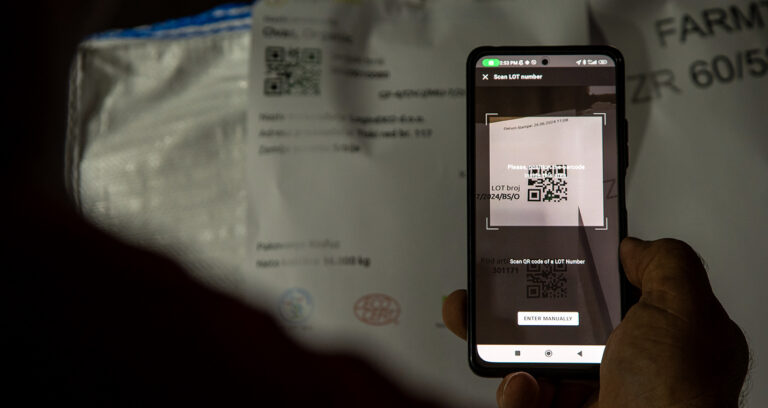
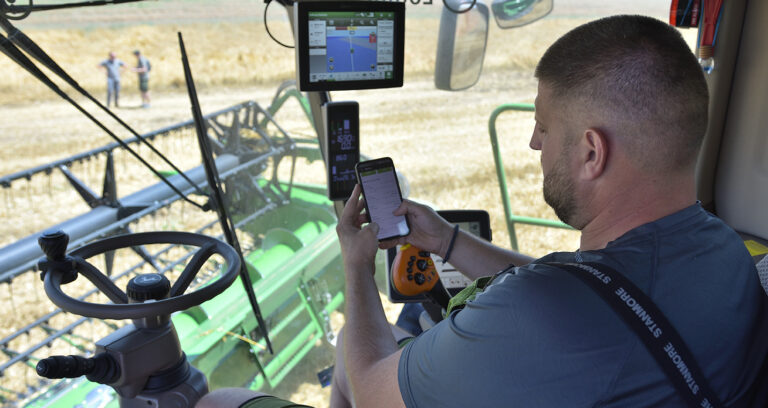
We don’t ask anyone to take our word for it. We publish harvest data, yields, and quality parameters openly. Anyone can check our farming methods, field operations, and full production history through open access to our Farming Software and The Origin.
The debate about food security is welcome and overdue. But it needs to move beyond the assumption that the only way to feed people is through a system tethered to fossil fuels. The alternative is not theoretical. It is working, at scale, right now.