 Careers
 Poslovi
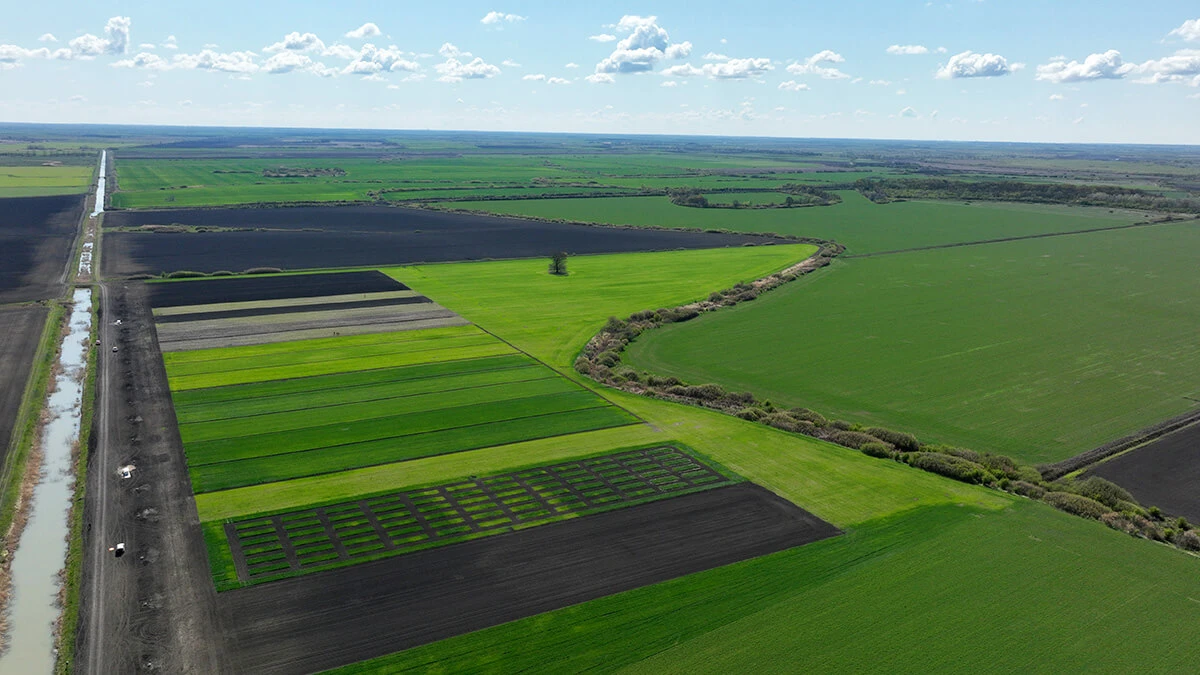
As 2025 comes to a close, we’re reflecting on what this year brought, not just in terms of harvest results, but in how our farming model performed, evolved, and proved itself on our farm.
At LoginEKO, we operate a large-scale certified organic farm based on a livestock-free model, built around legumes, 5-year crop rotations, and data-driven decision-making. 2025 was a year of testing, learning, and confirmation that this approach can deliver stable yields, high crop quality, and resilience, even in challenging seasons.
Here’s how the past year looked on our farm.
What our 2025 harvest results showed in practice
This season put our large-scale organic farming system to the test under demanding weather conditions.
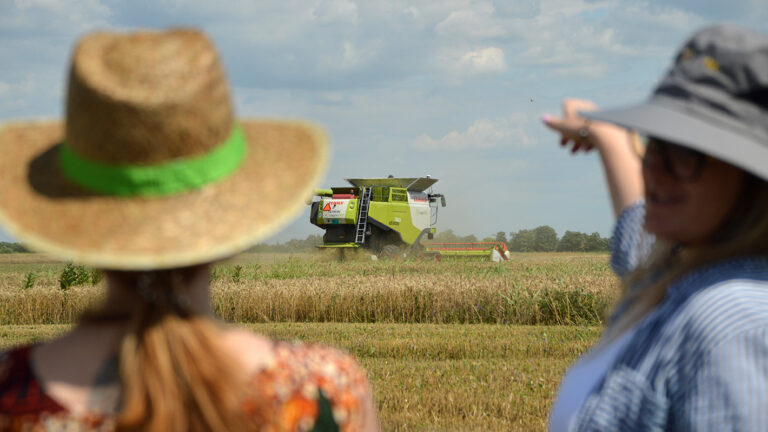
Despite a dry year that created problems for many of our neighbours, we successfully harvested 99% of our fields and produced 9.870 tonnes of organic crops, which is a meaningful result in itself.
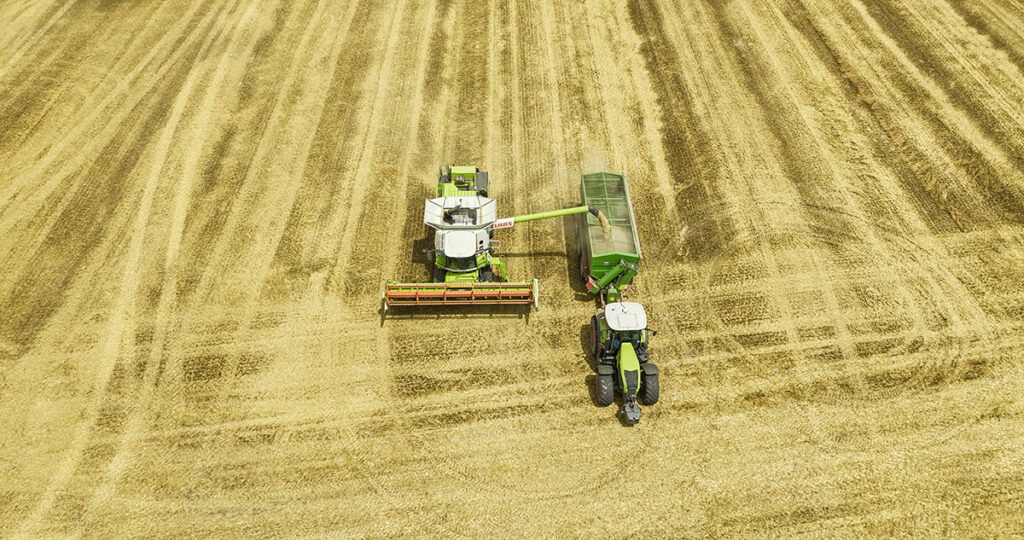
We also achieved good, stable yields paired with strong crop quality, grown exclusively for human consumption. These results reinforce an important point: yield alone is not the only measure of success. Quality, consistency, and resilience matter just as much.
This season confirmed that with optimal timing of operations, well-planned crop rotations, soil conservation tillage, incorporation of all harvest residues, and integrated weed control, large-scale organic farming can remain productive and reliable, even under climate pressure.
Beyond production itself, 2025 also brought strong market results. Thanks to quality, certification, and traceability, we achieved higher prices for our crops compared to conventional production. By now, 3.760 tonnes from the 2025 harvest had already reached buyers, with foreign markets accounting for around 70% of sales.
Strengthening our large-scale organic farming model, powered by free plant-based nitrogen
Nitrogen remains one of the most limiting and most mismanaged nutrients in agriculture.
A core pillar of our system is nitrogen supplied through legumes, not mineral fertilizers or manure.
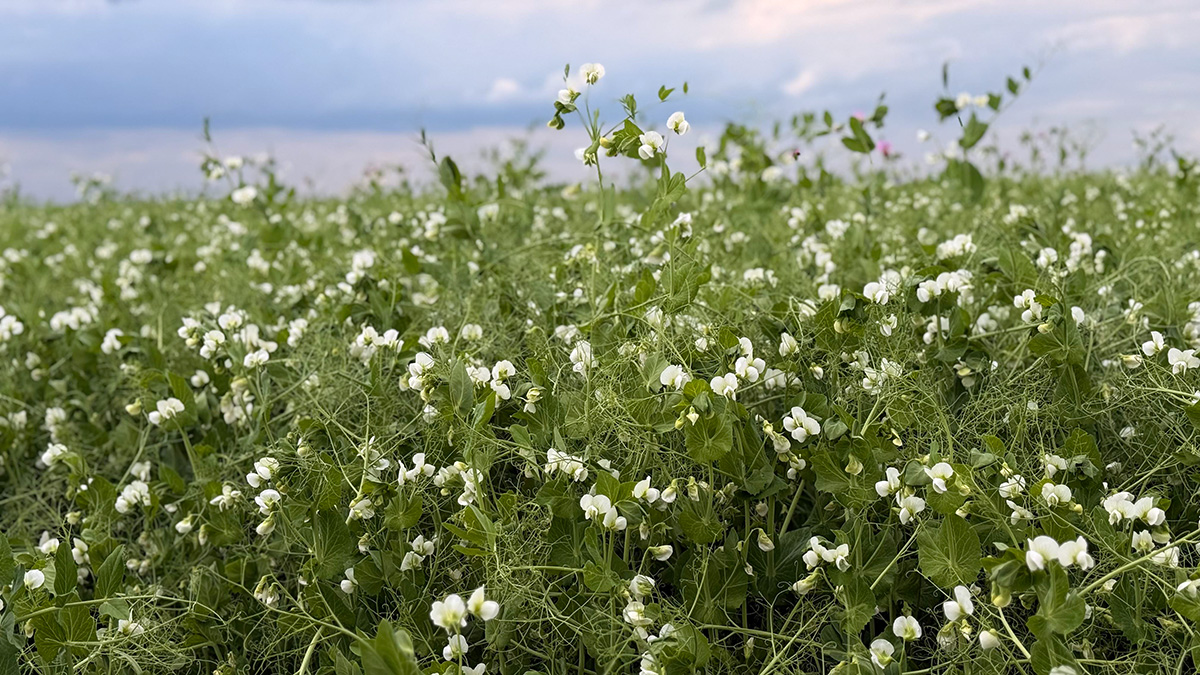
Beyond improving our own crop performance, our legume-based system addresses a broader challenge.
Excess nitrogen from mineral fertilizers and intensive livestock systems is one of the key drivers of exceedance of the planetary boundary for nutrient flows. Our farming model offers a practical solution to this issue.
By relying entirely on biological nitrogen fixation through legumes, our large-scale organic farming system is self-sufficient in nitrogen and provides enough nitrogen for four subsequent crops. By growing our nitrogen exactly where it’s needed, we also eliminate the two main sources of agricultural GHG emissions: the production, transport, and application of manure, commonly used in organic farming, and mineral fertilizers, used in conventional farming.
Learn more about legume-based farming
In 2025, we strengthened our plant-based sustainable farming model by successfully testing chickpea inoculation across our fields, improving biological nitrogen fixation and supporting crop performance.
This added another important layer to our legume-based crop rotations, helping us fine-tune how nitrogen provision, cycling, and use within the system. As part of this approach, we introduce a second legume, typically in the fourth year of the rotation.
Because chickpea is not a traditional crop in our environment, the risk of legume fatigue remains low. However, the absence of native, crop-specific rhizobia initially limited biological nitrogen fixation. Targeted seed inoculation, successfully validated in field trials in 2025 and expanded to full-scale production fields in 2026, is expected to remove this constraint and further strengthen nitrogen self-sufficiency across the entire five-year rotation.
To manage crop rotations at scale, we successfully developed and used an internal crop rotation planning tool, supported by AI and fed with key agronomic parameters. Using this tool, we planned our crop rotations and sowed our winter crops.
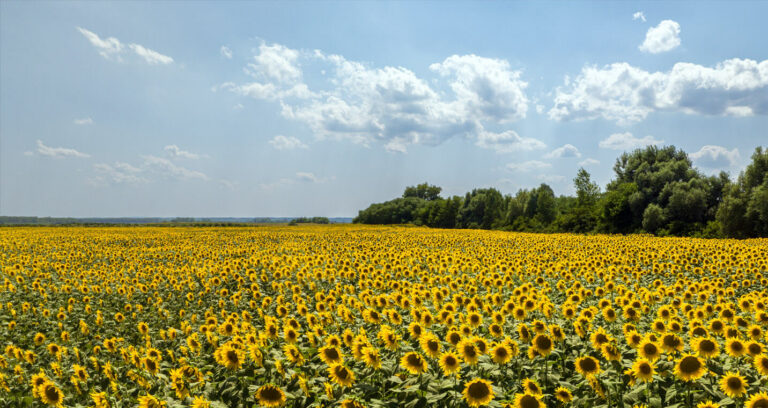
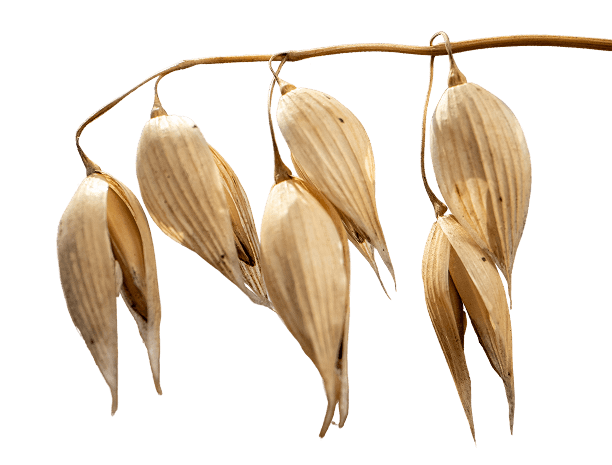
Up till now, we sowed 929 ha of oats, 709 ha of peas, 323 ha of wheat, and 299 ha of flax. In spring, we’ll be sowing 724 ha of sunflower and 296 ha of chickpeas.
To further strengthen farm independence, we continued with our own seed production. This year, we processed sufficient quantities of farm-saved seed for all crops except sunflower and introduced dedicated equipment for seed production. For the first time, we also successfully processed and certified first-generation oat seed.
Opening up our farm through videos and farm visits
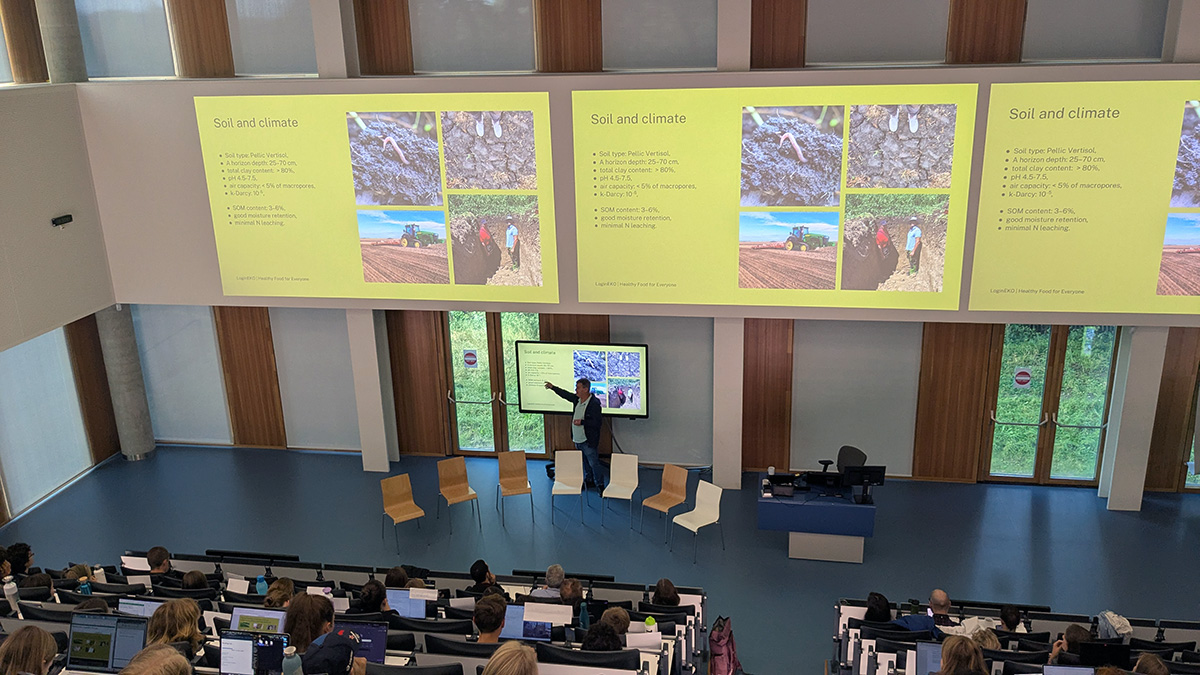
We continued opening up our fields to show how our large-scale organic farming system works in practice.
Through an educational series of “how-to” videos on our YouTube channel, we began sharing practical knowledge and the reasoning behind key decisions across thousands of hectares.
Alongside this, we welcomed partners, researchers, farmers, and Farming Software beta testers to the farm, sharing our solutions, practices, results, and experiences.
Throughout the year, we’ve also been exchanging knowledge beyond our own farm, participating in local and international conferences, meetings, and collaborations, sharing our experience with legume-based, livestock-free organic farming, and learning from others working toward similar goals.
New premises for a growing team
In late summer, we also moved to new premises at our northern location, creating additional space to support our growing operations. These new facilities support both day-to-day farming activities and longer-term development, helping us operate more efficiently as the scale of our system continues to grow.
Building software around real farming challenges
Reliable farming decisions depend on clear, practical data.
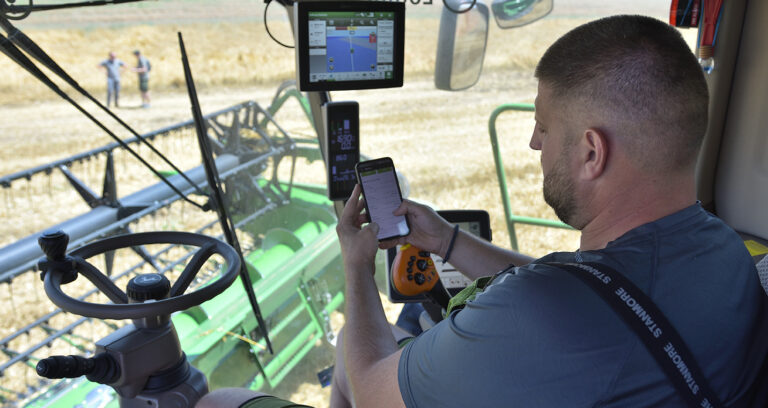
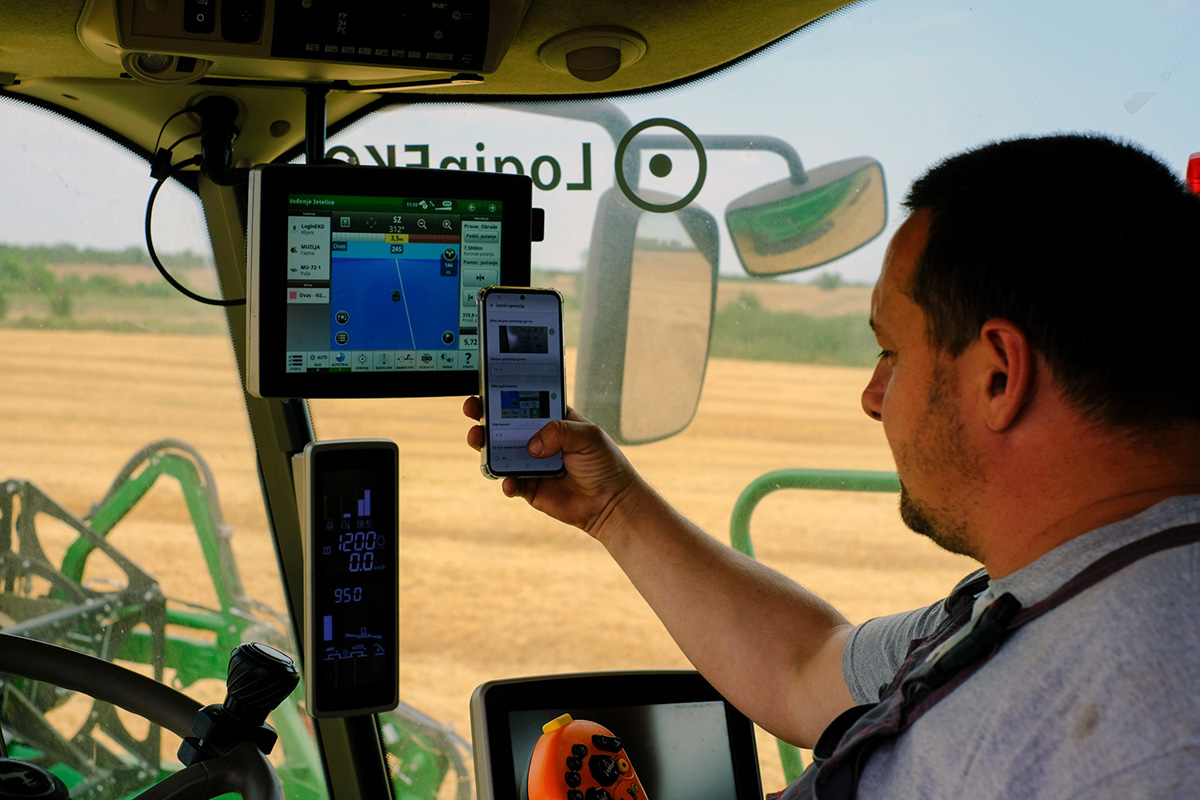
Alongside our work in the fields, 2025 was also a year of continued development of our Farming Software. Built around the needs of our own farm, the software was continuously tested and refined, with new features introduced this year, including Control Point, the Field Activity Panel, and cultivation templates.
Importantly, this process didn’t happen in isolation. Throughout the year, we worked with external beta users, using their feedback to refine and simplify our Farming Software.
Securing organic standards and going beyond them
In 2025, we marked our fourth year farming under EU Organic and Bio Suisse standards, and our third year certified by Naturland.
Meeting multiple standards requires consistency, but also offers a valuable perspective. That’s why we turned our experience into a free, practical comparison of organic standards, helping farmers compare them side by side, review key differences, and choose the most suitable option for their farm.
Our standards comparison has already been downloaded more than 7.000 times, and we’re happy to share these resources openly.
For us, certification is not the end goal, but a foundation for building better systems and accessing more demanding markets, like the DACH region. That’s why we go beyond certification with traceability, which provides context, clarity, and accountability.
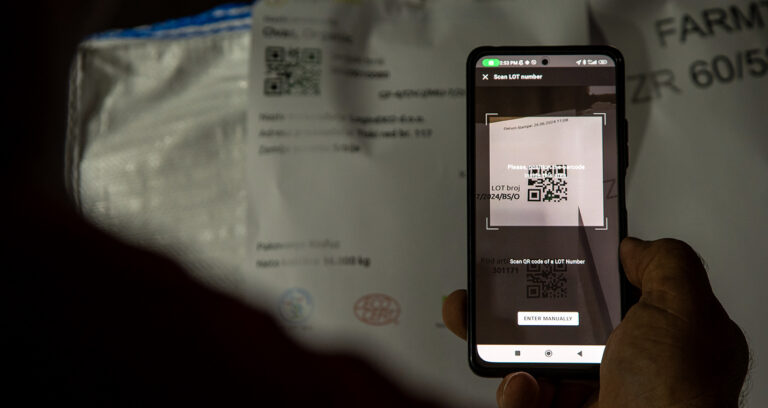
In 2025, our already open-access crop traceability became visible through The Origin platform. Powered by our in-house Farming Software, it shows detailed crop history, from field-level data and farming operations from sowing to harvest and storage, all in one place.
Discover the full journey of oats, from Njamito all the way to the fields in our Farming Software.
What started on our own farm is now being shared more widely. Alongside LoginEKO and Njamito products Bittergreen, Drozli Kombuha, Biotop, Kocbek, and Chillicus have already joined The Origin to transparently show what’s in their products and how they are made.
By opening this platform to other food producers at no cost, we aim to make traceability more than a compliance tool, but a way to create confidence and trust between farmers, producers, and consumers.
From fields to healthy and traceable food products
It has also been a year of progress in food development.
Our first Njamito product, a meal-in-a-bottle, was launched in an HPP (high-pressure processed) format. Building on this experience, we launched our second end-consumer product: Njamito oat meal, made with oats fully traceable back to our own fields.
Alongside this, we successfully developed a UHT (ultra-high temperature) version of Njamito meal-in-a-bottle, extending its shelf life while preserving its core values: plant-based, clean-label, 100% organic and fully traceable. This version is planned for launch in 2026, opening up new possibilities for its distribution and accessibility across Europe.
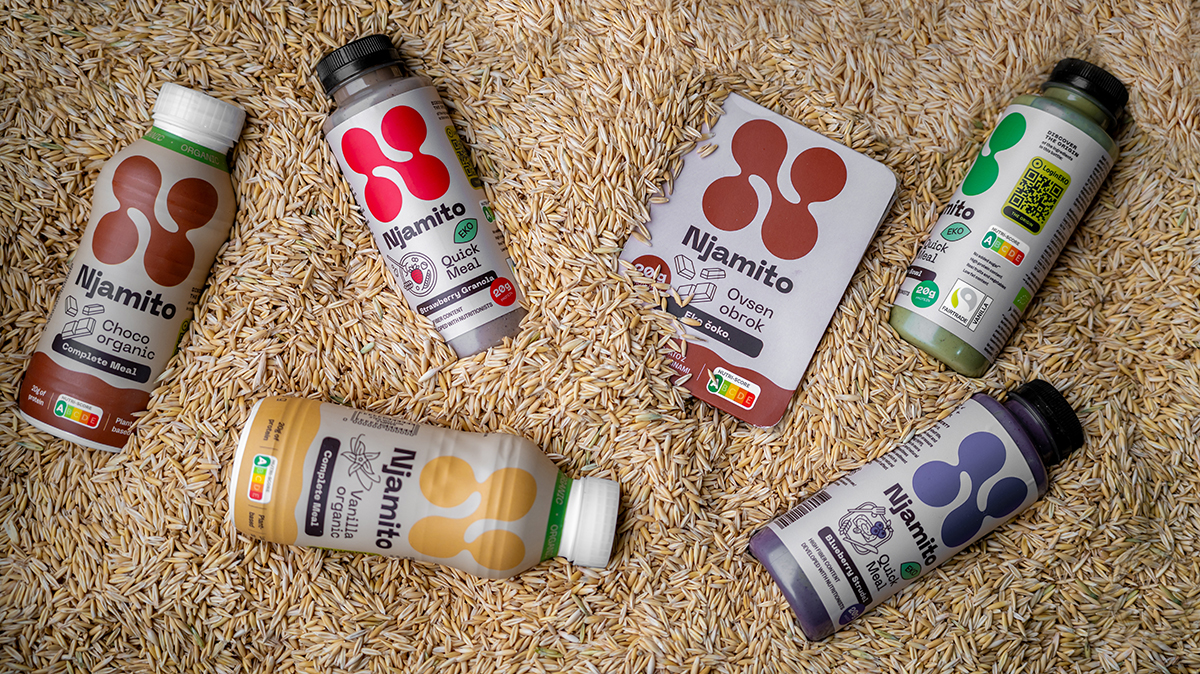
We also laid the groundwork for scaling Njamito beyond our own production. Building on Njamito’s development and market experience, we agreed on licensed production with two partners and secured a post-processing partner who will process, package, and launch selected products in the region.
These steps reflect our broader approach to food development: offering ready-made, plant-based solutions ranging from formulations and ingredients to traceability and distribution models for food companies that want to develop products that support both human and planetary health.
During the year, Njamito also obtained Fairtrade certification for cocoa and vanilla, reinforcing our commitment to responsible sourcing beyond our own fields.
Toward the end of the year, we presented these products at organic food fairs across Europe, including Warsaw, Malmö, Augsburg, and Hamburg. The feedback we received confirmed a strong interest in plant-based food that’s healthy, convenient, and transparent.
What we learned in 2025 and what follows
Through our farm visits and conversations with farmers, one insight became especially clear: for many, selling crops is one of the most difficult parts of farming.
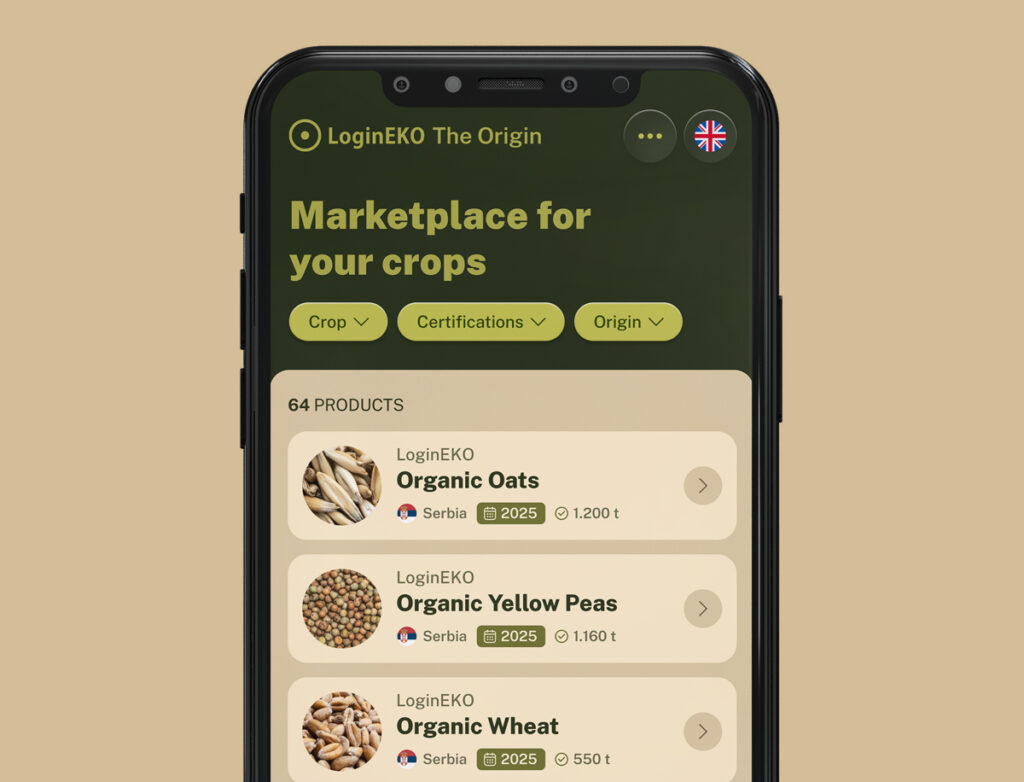
Based on this insight, we are already building a solution within The Origin that connects farmers with buyers. This next solution, called The Origin Marketplace, is planned for release at the BIOFACH fair in February 2026. Our goal is to make it easier for farmers to connect with the right buyers and sell their crops. Here’s a first look.
As we move into the next year, we’re carrying forward what 2025 taught us: the drive to keep learning, innovating, and sharing knowledge.
Each year, we’re turning ambitious goals into new, practical, and working solutions.
We’re grateful to everyone who has been following our work so far, and we invite you to continue being part of the journey as we keep building, improving, and sharing what we learn along the way.