 Careers
 Poslovi


We often hear that organic farming is difficult to scale, labour-intensive, and hard to manage, particularly when it comes to weeds. As a result, it’s often seen as unpredictable in performance and economically risky, especially at a time when food security, climate resilience, and production efficiency are becoming central topics in agriculture.
In many cases, this perception comes from applying small-scale organic logic to much larger systems, and simply concluding that organic farming “doesn’t work” at scale.
But scale changes the rules.
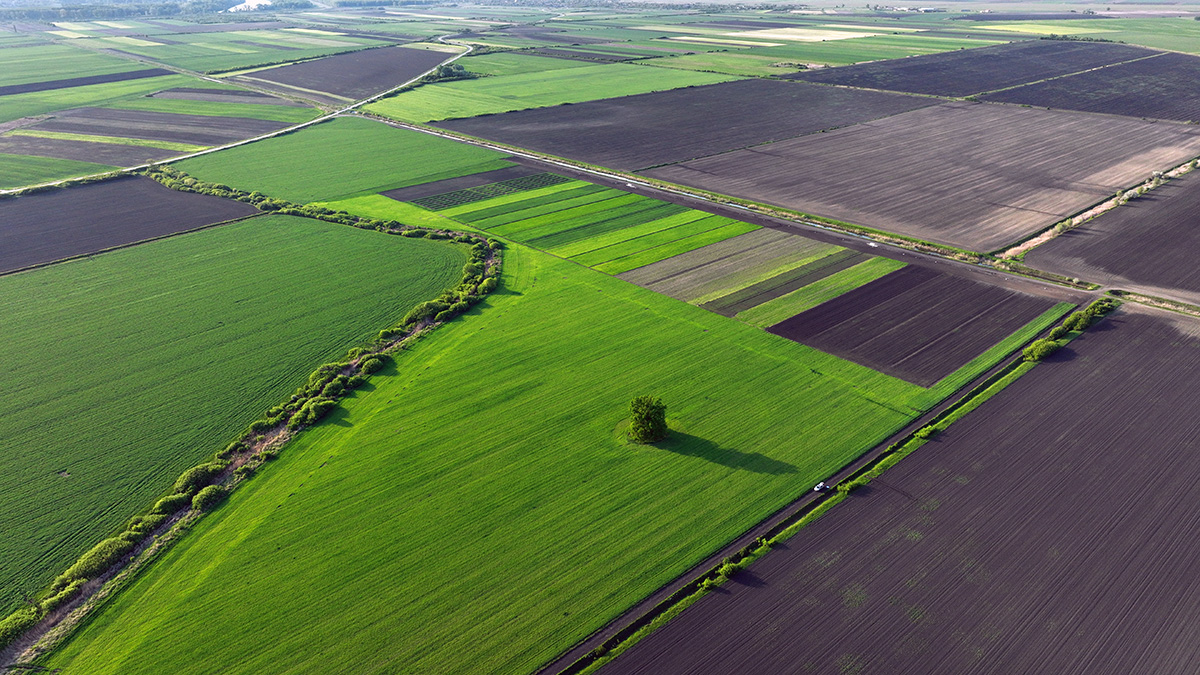
In 2025, we harvested 9.870 tonnes of organically grown crops from 3.250 hectares of arable land, across cereals, oilseeds, and legumes, under demanding soil and climate conditions in compliance with Serbian and EU organic standards and additional Naturland and Bio Suisse requirements.
By publishing our harvest results, we aim to contribute to a more grounded, data-supported discussion about what organic farming at scale can realistically deliver—and what actually determines success.
Farming under challenging conditions
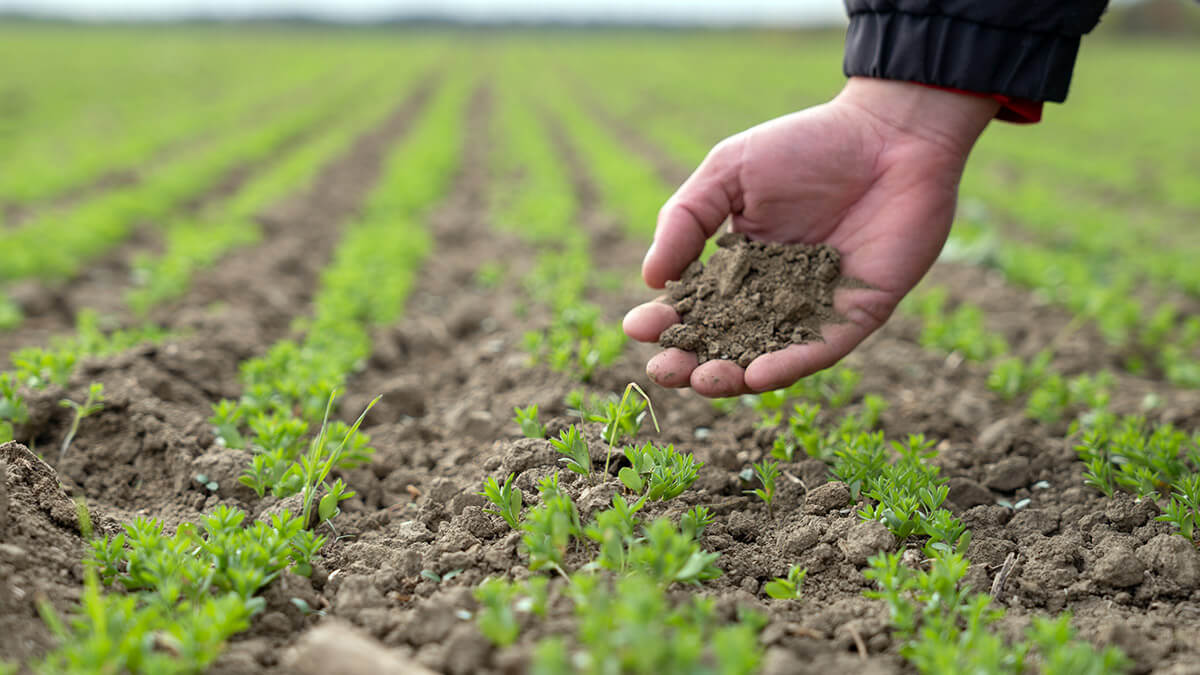
Our farm operates in a continental climate with four distinct seasons, heavy clay soils, and increasing weather variability. These conditions shape crop choice, timing of farming operations, weed pressure, and yield potential.
They also mean that results are not driven by perfect soils or ideal climates, but by how the farming system is designed and managed over time.
What the 2025 harvest shows
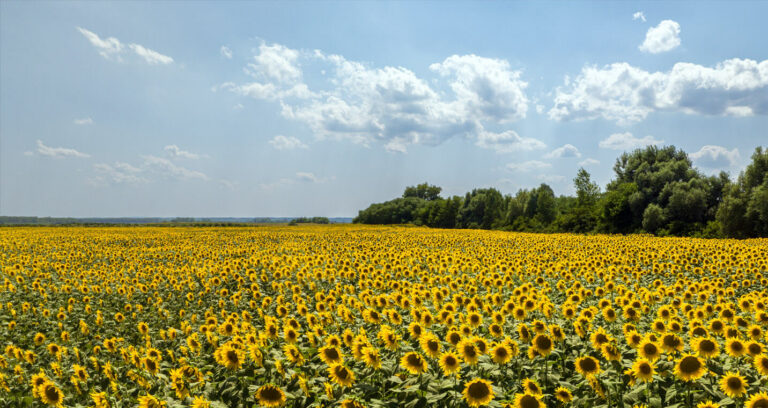
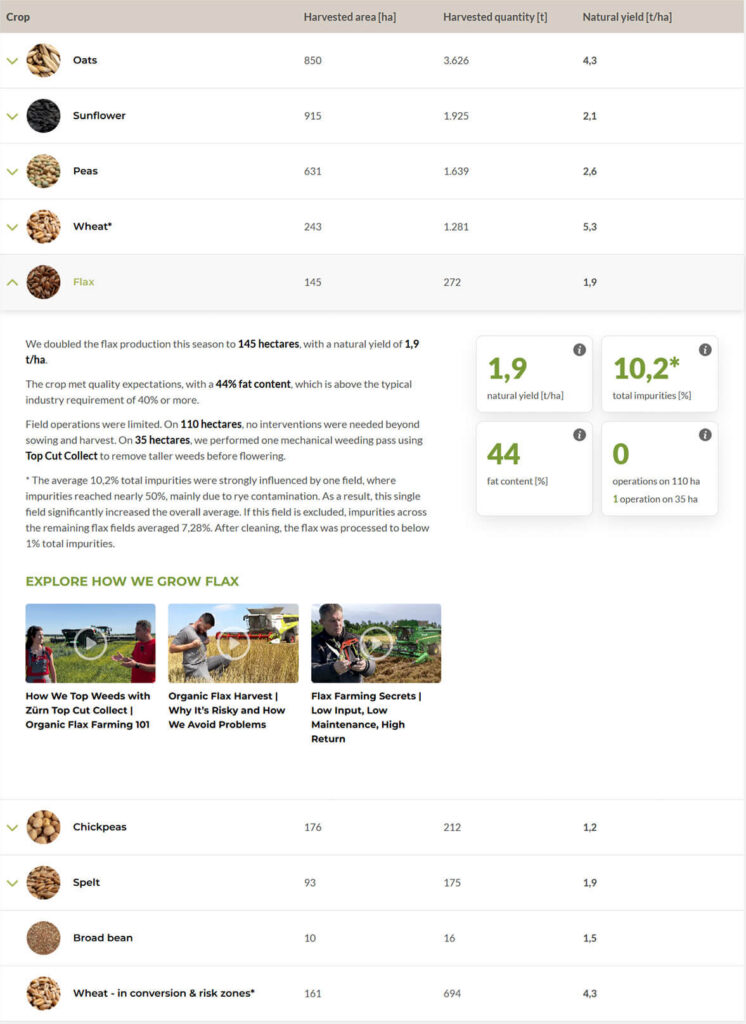
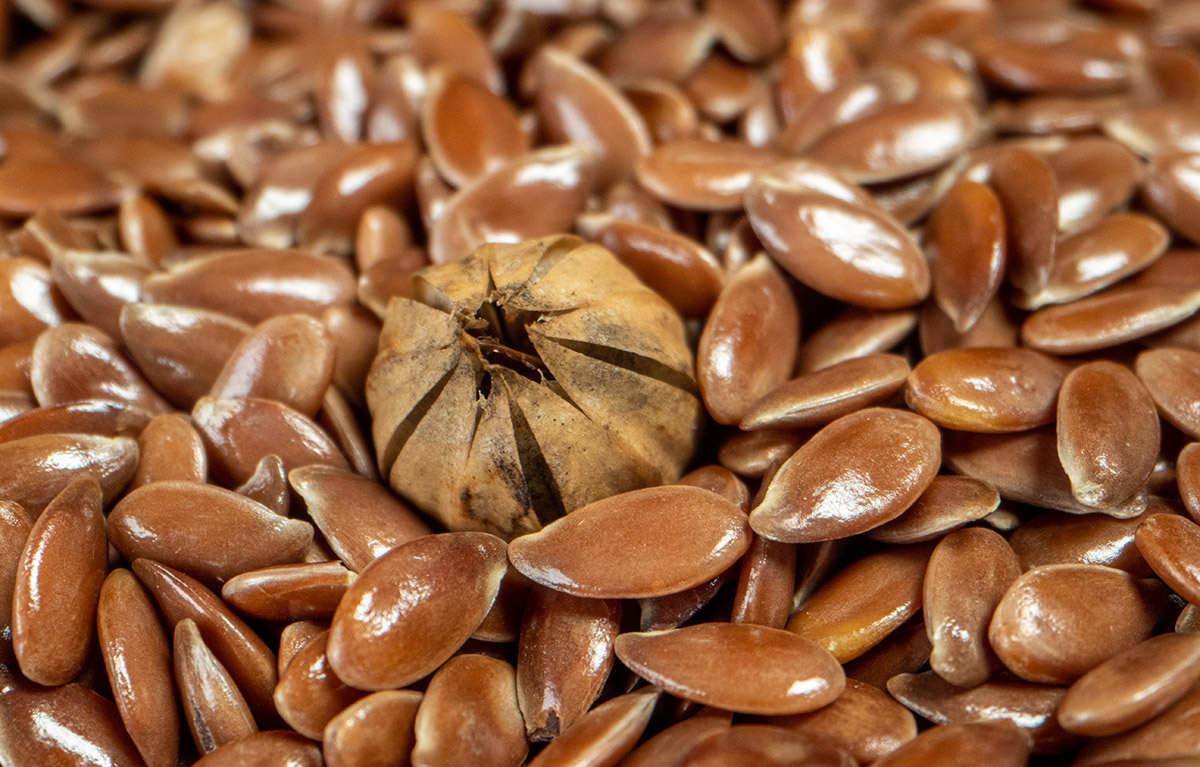
In the 2025 season, we produced 9.870 tonnes of organically grown crops across diverse rotations of climate-adequate crops, including wheat, oats, sunflower, peas, flax, chickpeas, spelt, and broad beans.
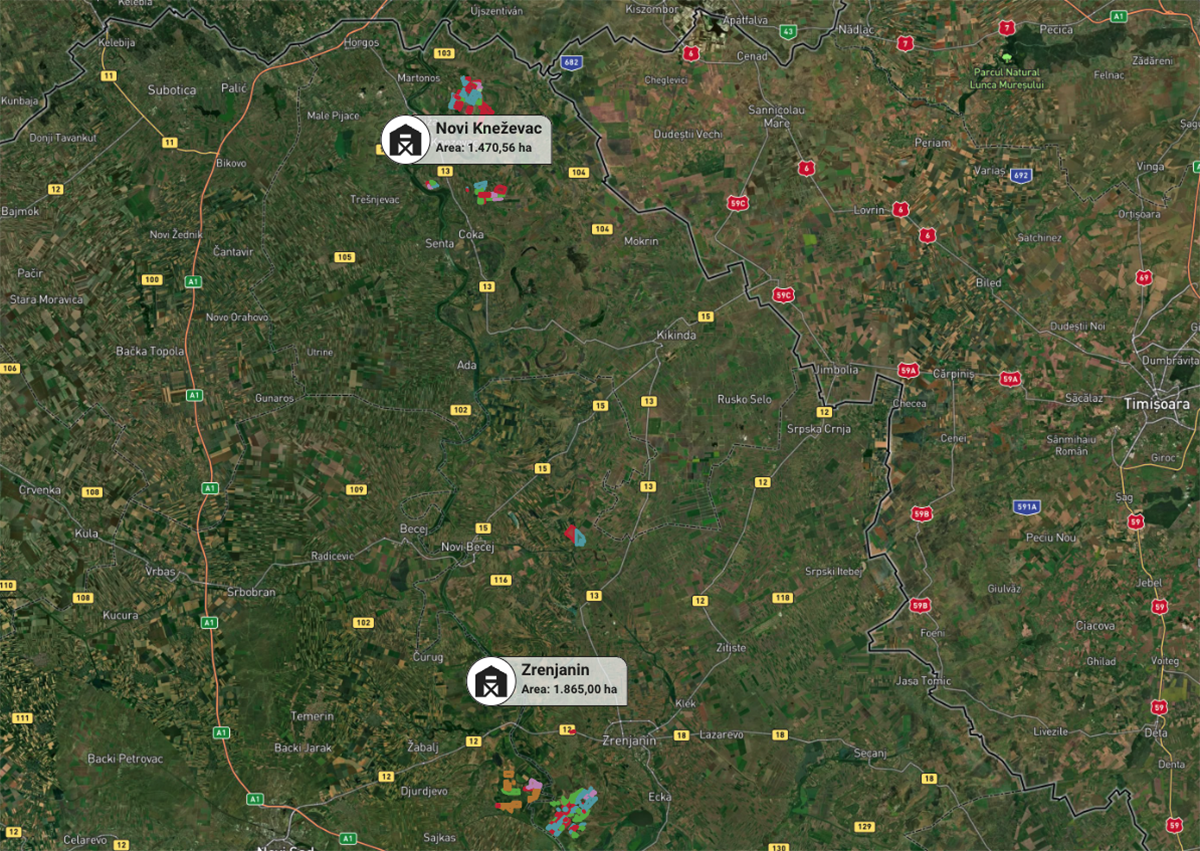
Our production spans two distinct regions more than 100 km apart, covering multiple sites with different soils, weather patterns, teams, and equipment.
Rather than highlighting individual peaks, our focus is on overall system performance, taking into account each crop’s role in our crop rotations, its quality parameters, and its intended market.
This context is essential because yield alone doesn’t tell the full story.
Yield alone isn’t enough—quality matters as well
Yield is often treated as the primary measure of success in agriculture. But in producing food-grade crops, quantity does not automatically translate into market value.
Yields alone are influenced by multiple factors, including crop variety (which depends on whether a crop is grown for food-grade or feed markets), seasonal and weather conditions, and soil characteristics.
At LoginEKO, we grow crops exclusively for human consumption.
This means prioritizing quality parameters that the food industry requires—protein content, hectoliter mass (also referred to as hectoliter weight), fat content, grain size, foreign matter and impurity levels, all directly affect the final price, alongside specific certification.
For this reason, chasing maximum tonnage is rarely the most profitable strategy.
We mention profitability not because it is the sole measure of success, but because it determines whether a farming model can realistically be adopted. Environmental benefits alone are not enough if a system doesn’t make sense economically for the farmer.
We’re sharing these results to support farmers navigating increasingly complex decisions by offering real data, context, and a system tested at scale. Our goal is to show that organic farming at scale can align environmental responsibility with economic viability, so that sustainability is not dependent on exceptional circumstances, but built into the system itself.
Success comes from system design, not inputs
In reality, profitability depends on how well the system aligns with its constraints.
At scale, certain approaches that work on small organic farms, such as manure-based fertility models, become logistically impractical and costly. As transport distances increase, the application becomes inefficient, and dependency on external inputs grows.
Our system is designed differently
- Nitrogen is supplied solely through legumes integrated into 5-year crop rotations. They are positioned strategically before nitrogen-demanding crops. In other words, we grow nitrogen exactly where it’s needed for the 4 subsequent crops in our 5-year crop rotation model, meaning no transport costs for “applying nitrogen”.
- Weeds are managed primarily through crop rotations, supported by mechanical interventions, only when needed. That’s why we also publish the number of field operations between sowing and harvest, to address the common belief that organic farming requires constant intervention. For example, wheat required no operations between sowing and harvest, while peas needed a single weed-control pass on 35 hectares and no interventions at all on the remaining 596 hectares.
- Soil structure is protected through conservation tillage, targeted subsoiling, and keeping all harvest residues on the field to support soil organic matter and aggregation.
The result is a system that relies less on constant intervention and more on planning and optimal timing of farming operations. By not relying on external inputs, our system is also less exposed to price volatility and supply disruptions.
What these results mean
No two farms are the same. Soil type, climate, markets, and infrastructure differ widely. Still, many of the principles behind our results apply broadly.
When organic farming at scale is planned as a system, grounded in a deep understanding of the local environment, and built around crop choice, rotation design, and market fit, it can deliver stable results year after year.
By sharing detailed harvest data, we aim to support a more realistic, evidence-based conversation about organic farming.