 Careers
 Poslovi
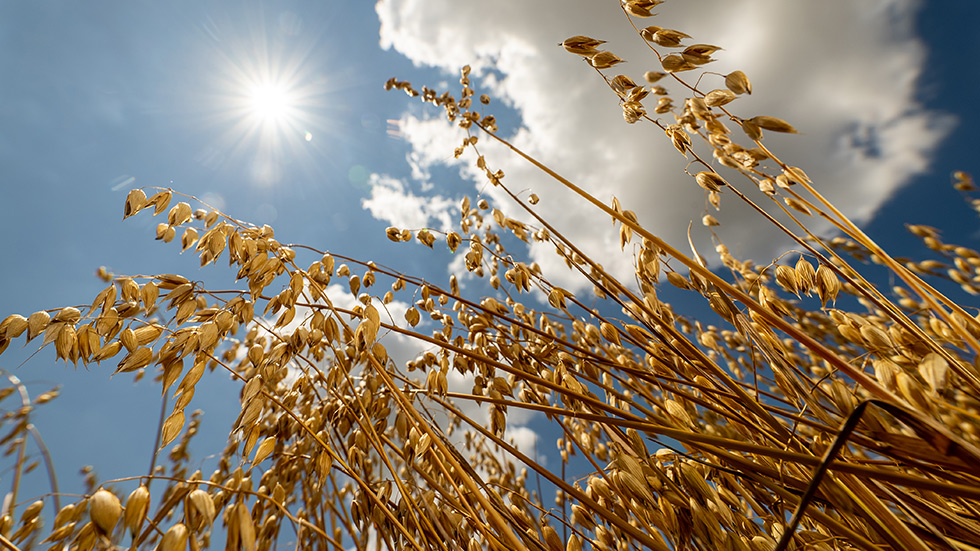
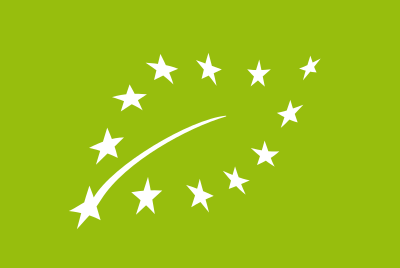
We have received our EU Organic certificate for the fifth year in a row, starting with our first certification in 2022.
Every renewal confirms that how we grow, harvest, store, and handle our crops meets the EU Organic Regulation (EU) 2018/848. It also confirms that our organic standards hold up under independent inspection.
What the certificate covers
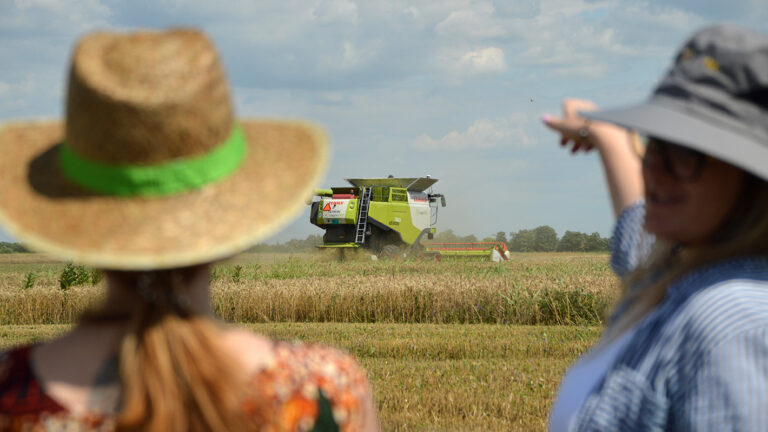
The certificate covers our full chain, from growing crops to preparing them for sale and exporting them to the EU as organic. It covers a wide range of crops:
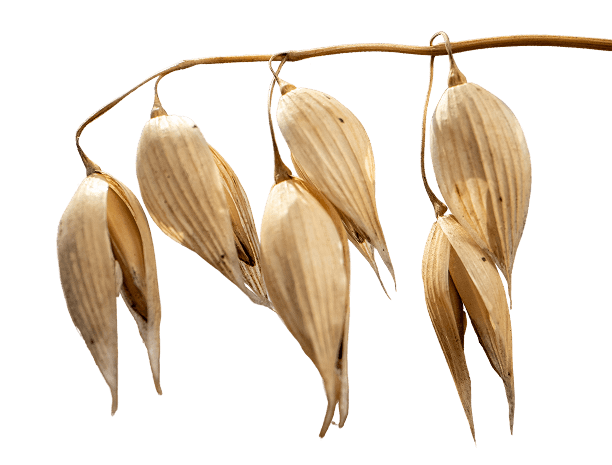
- cereals such as winter wheat and oats,
- legumes such as peas, chickpeas, broad beans, and mung beans,
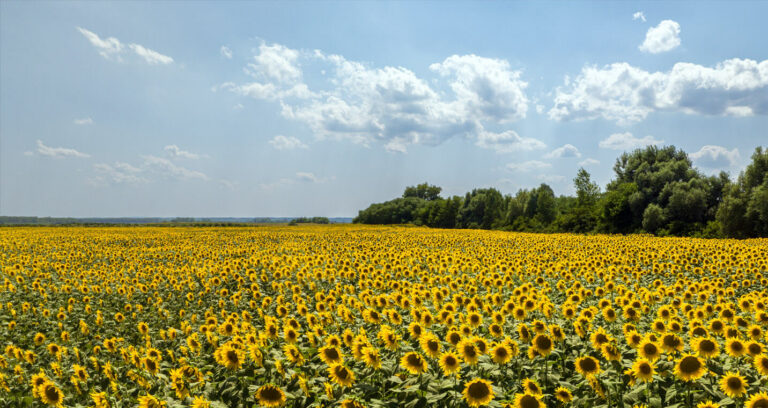
- oilseeds and fibre crops such as sunflowers and flax,
- alfalfa and potatoes,
- crops for microgreens and declared seed production of oats, peas, and spinach, and
- our biodiversity areas.
We farm all these crops organically, with no synthetic pesticides or synthetic mineral fertilisers, including fields still in conversion or flagged as risk zones.
Why we believe in more than a certificate
A certificate is valuable. Consumers recognise it, buyers ask for it, and it answers a hard question quickly: does this farm follow organic rules? Behind it is an independent inspection of the whole system, and organic standards require full traceability and complete production records. A certificate is a single document, though, and customers rarely see the records behind it.
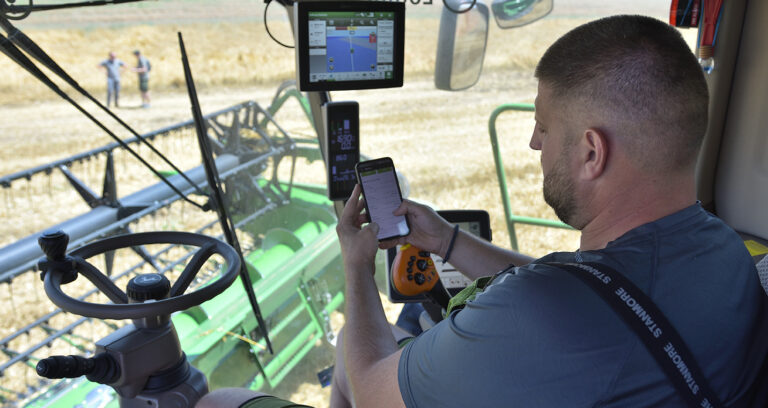
That is why we believe the future is full, open traceability from the field. In our Farming Software, we record all field operations, soil samplings, scoutings, and storage, along with the machines, materials, and weather. Drones and machine telemetry add more data. Our farm reports are open for anyone to check, and the software is free for everyone to access and use.
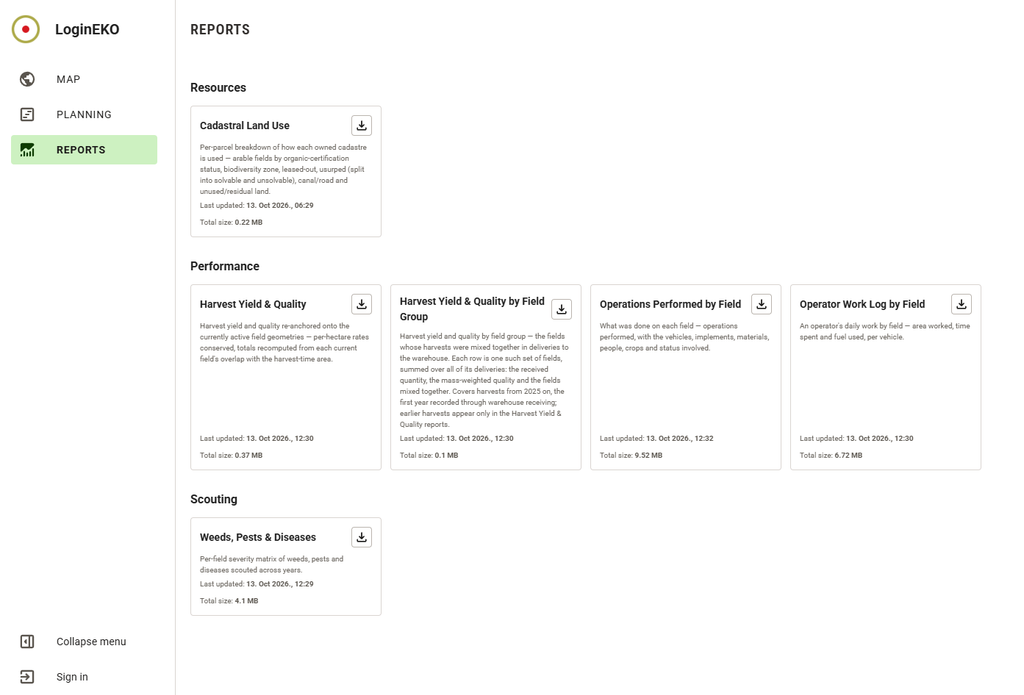
No single data point proves everything. Together, they build trust. When inputs, operations, hectares, and yields add up, confidence grows with every record. When they don’t, it shows.
We saw this with our buyers. Three years ago, we started sending simple traceability reports with our specifications and certificates. Our sales team expected little interest. The following year, buyers began asking other suppliers for the same data.
From the field to the product
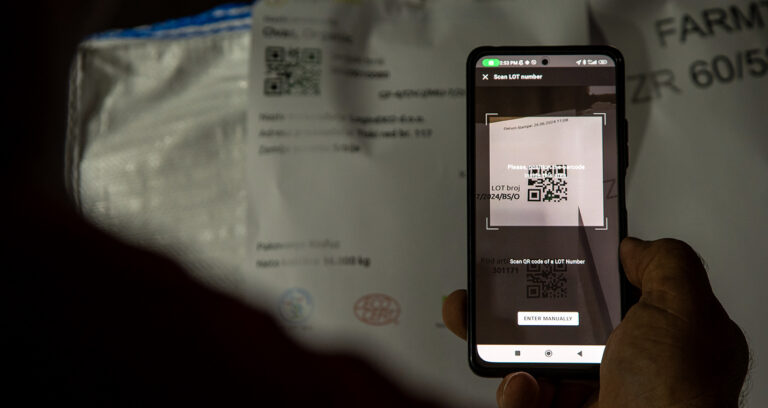
The Origin extends this to the end consumer. With one QR code scan, you can follow a product from the finished item back to the seed and the field. Food producers can add this traceability to their own products for free.
We open our data so that anyone can check it. Some people will. That is the idea behind transparency.
The certificate stays. Traceability is where we are heading.