 Careers
 Poslovi
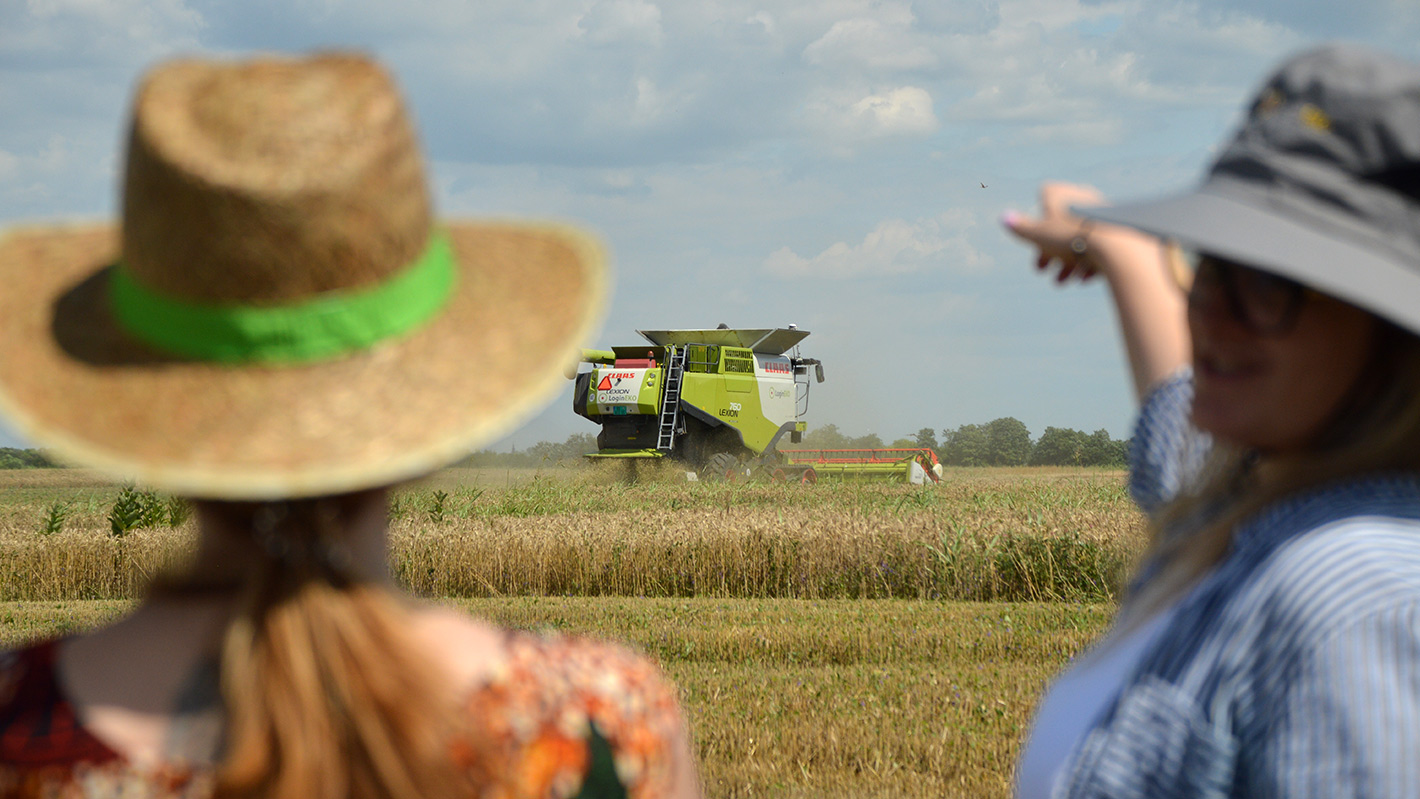
Every farming season starts with a simple question: what will we grow on each field?
On a large farm, that question never stays small.
A single crop decision ripples outward. It shapes the next crops in the rotation, land preparation, field operations, machinery and materials, the timing of every operation, expected yields, the storage you’ll need, harvest planning, potential revenue, and the records that follow. It reaches into future seasons, too. What you plan on a field today shapes how that field is managed for years.
That is the job of the Crop Plan in LoginEKO Farming Software. It helps farms connect crop decisions to the work that follows.
It isn’t just somewhere to record what you’re growing. It’s where the season becomes operational.
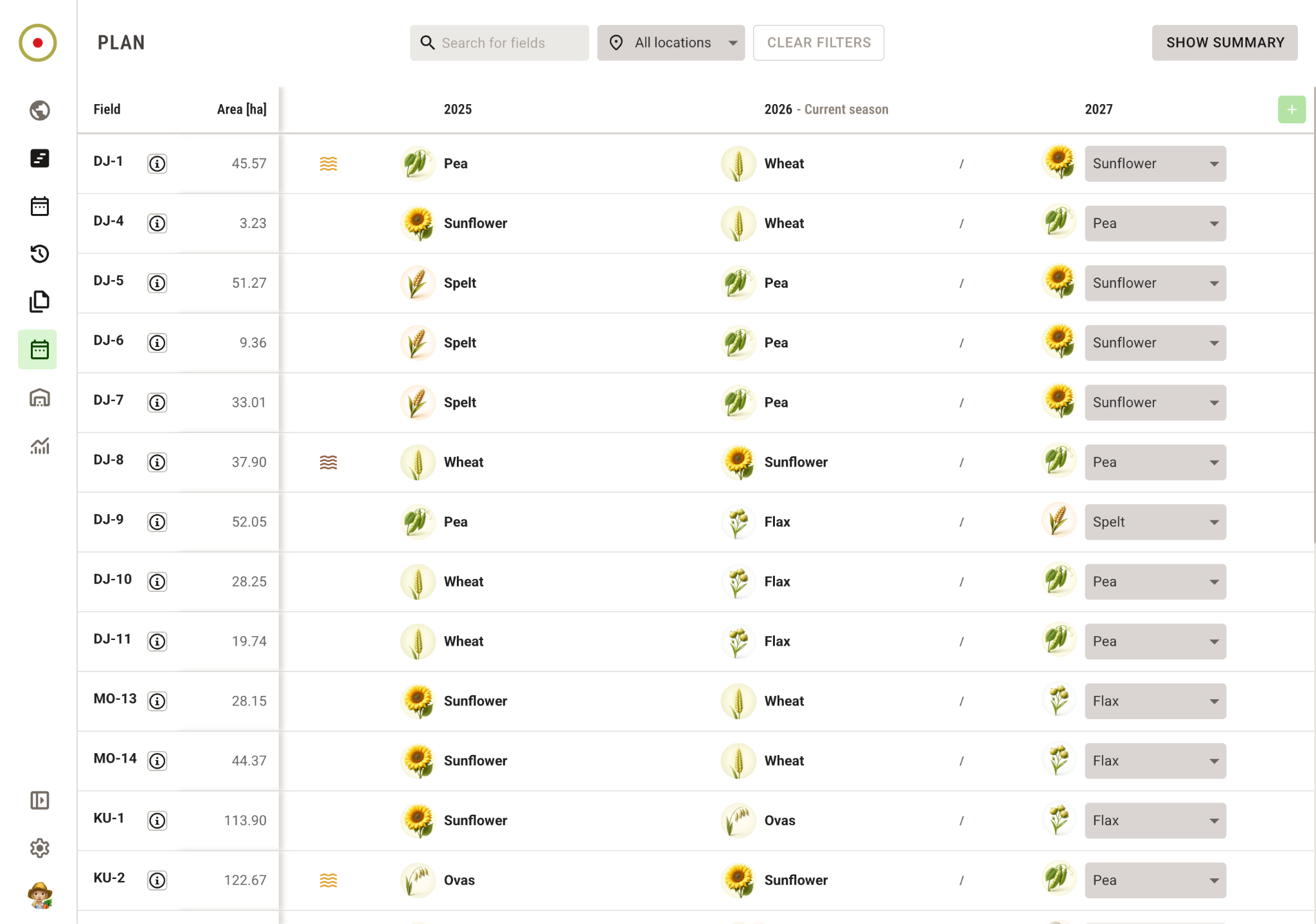
See the season before it starts
Every field carries a history, and it only makes sense in context. What was sown here before? What comes next? How much area goes to each crop? What yield can we expect?
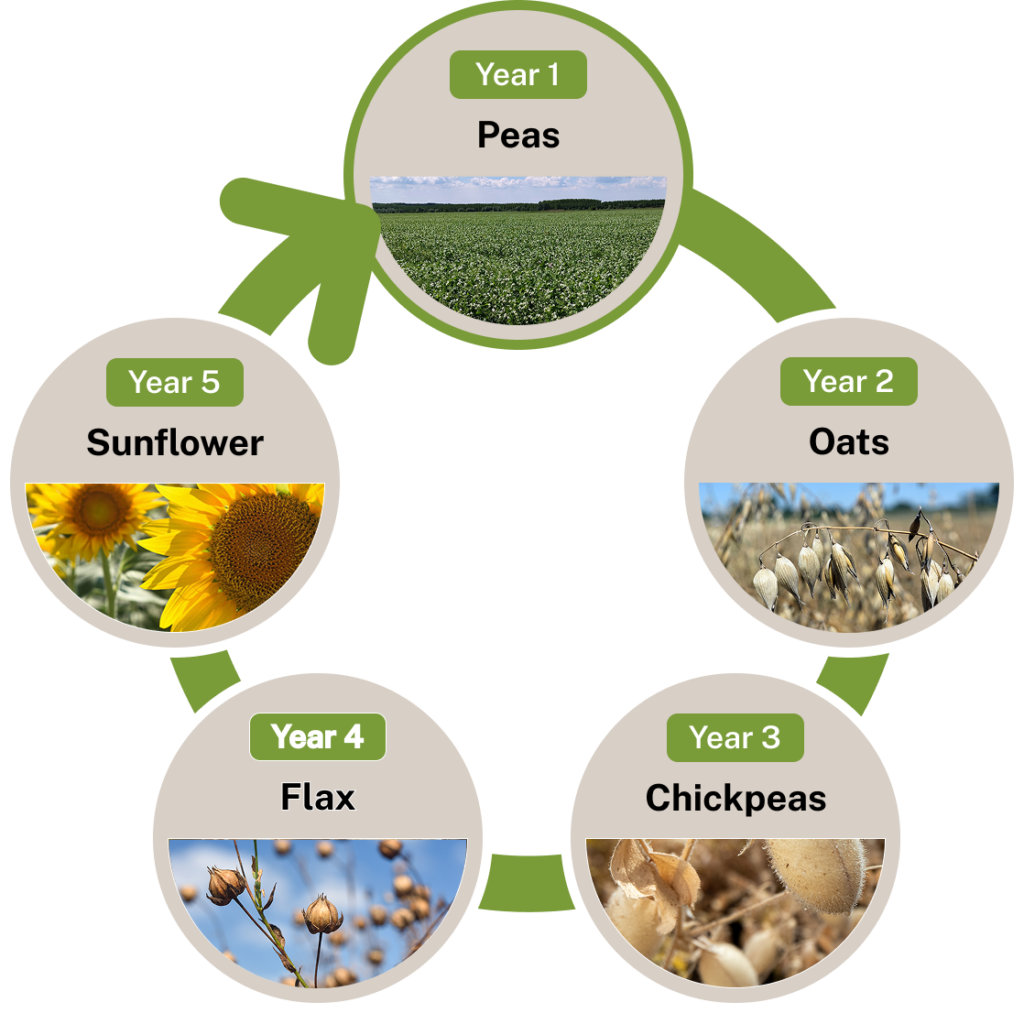
The Crop Plan answers those questions in a single view. Instead of studying each field on its own, farm managers, agronomists, and planners see how crops are distributed across fields and seasons at once. They can compare a field’s history over time, read the distribution of crops at a glance, and walk into the next season with far better visibility.
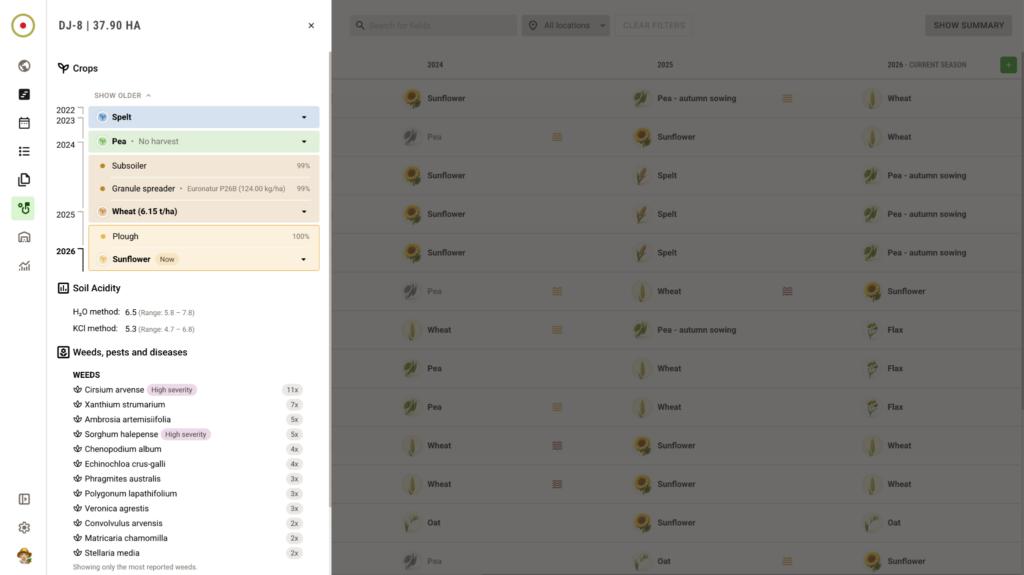
Turn crop decisions into field work
A crop plan has value only if it leads to action.
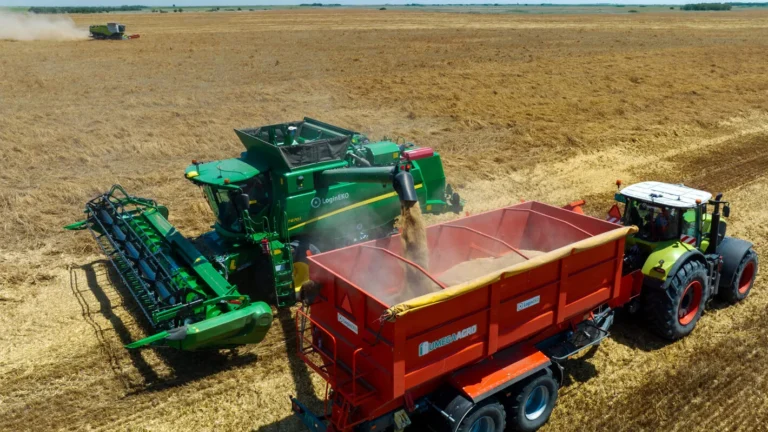
Once a crop is planned for a field, the farmer has to prepare the work connected to it: land preparation, sowing, crop care, scouting, and harvest-related activities.
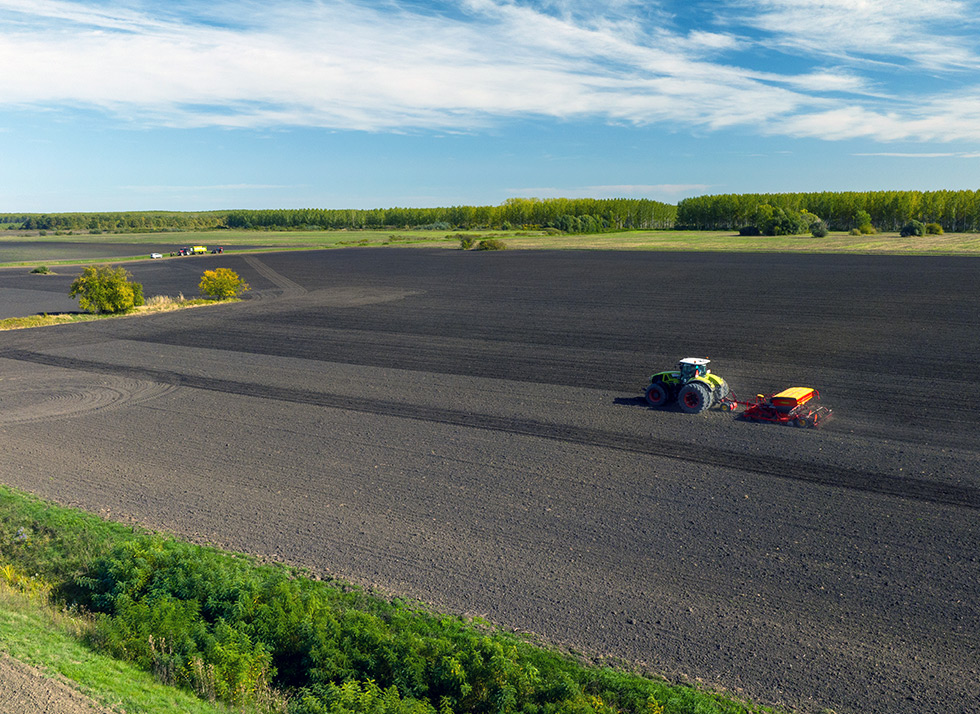
LoginEKO Farming Software connects crop planning with operational planning. For each assigned crop, the software automatically creates a predefined set of field operations.
The planned crop drives the next planned action, so there’s less planning done twice and a clearer line from a seasonal decision to a day’s work in the field.
One plan for the whole team
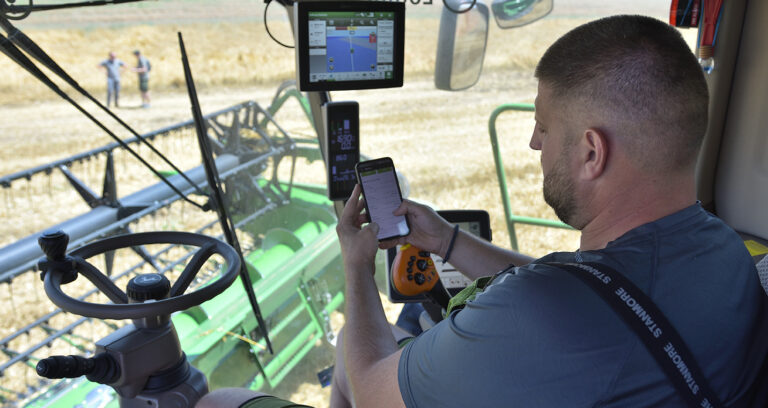
What gets sown on each field touches almost every role on the farm. Agronomists use it to plan crops and operations. Operational teams turn it into real fieldwork. Warehouse teams use crop and area information to estimate quantities and storage well ahead of harvest.
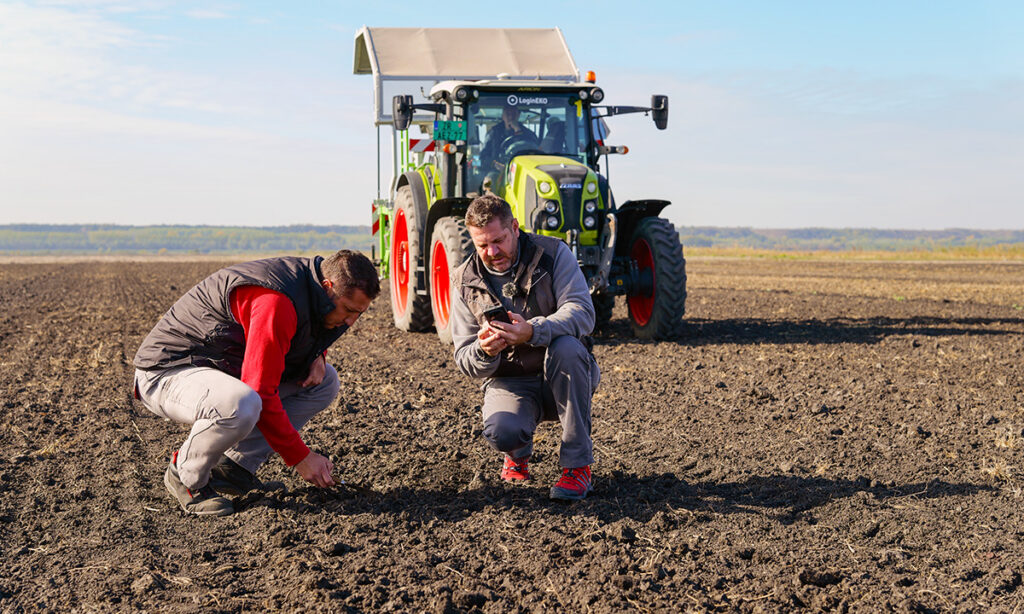
The Crop Plan gives these teams a shared starting point. It shows what is planned, where, and how crops are distributed across fields and seasons.
From there, each team can carry the plan into its own work, whether that is expected production, storage capacity, or commercial planning.
This matters most on larger farms, where many fields, machines, operators, and operations have to be coordinated simultaneously.
What makes it different
Plenty of farms already have a crop plan. The real question is whether that plan is connected to the rest of the farm.
If crop planning is separate from field operations, records, storage planning, and traceability, the farmer still depends on manual coordination and repeated internal checks. Information may exist, but it is not always ready to support daily work.
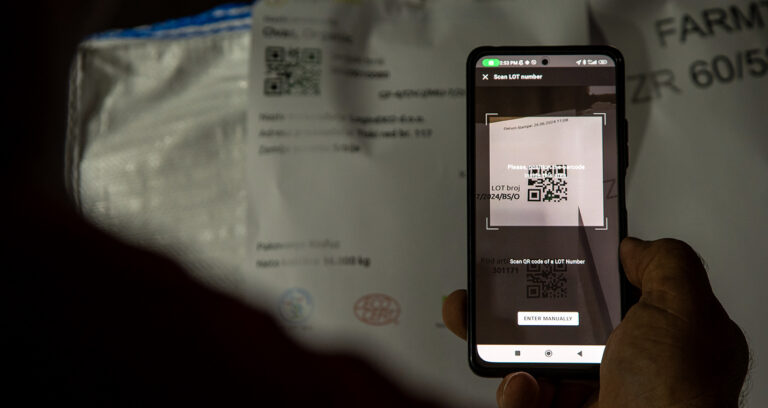
The Crop Plan in our software is part of a connected workflow instead. It ties seasonal planning to field execution, monitoring, harvesting, warehouse processes, and records, creating traceability reports for each of our crops.
That turns planning from a document into a living part of daily farm management.
Built from real farming practice
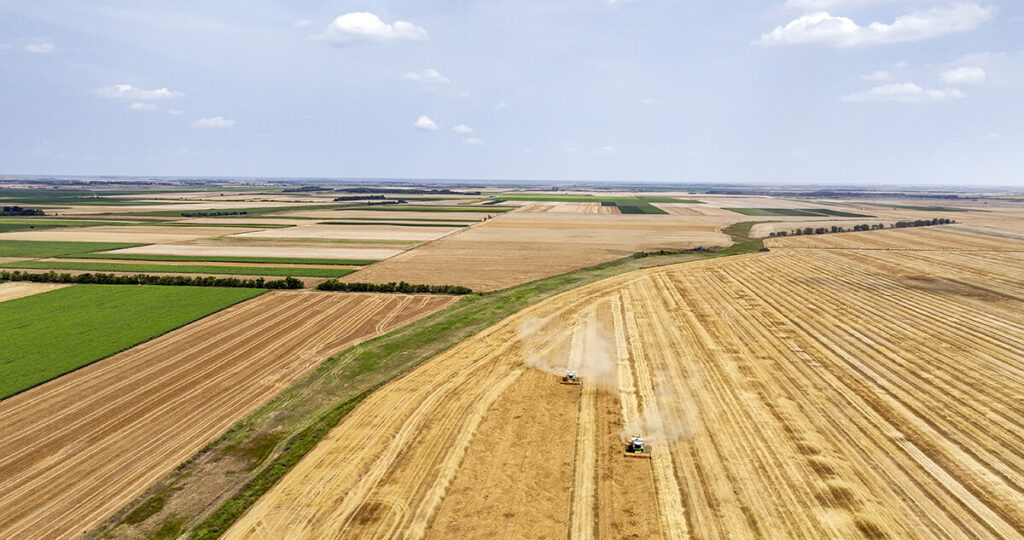
LoginEKO Farming Software was built from the daily reality of our large-scale organic farm, where planning, execution, traceability, and records all need to be connected.
The Crop Plan helps farmers prepare for the season in a way that is practical, visible, and tied to both what happens in the field and what is planned for seasons ahead.
Because a successful season does not start at harvest. It starts with a good plan.