Careers
 Poslovi

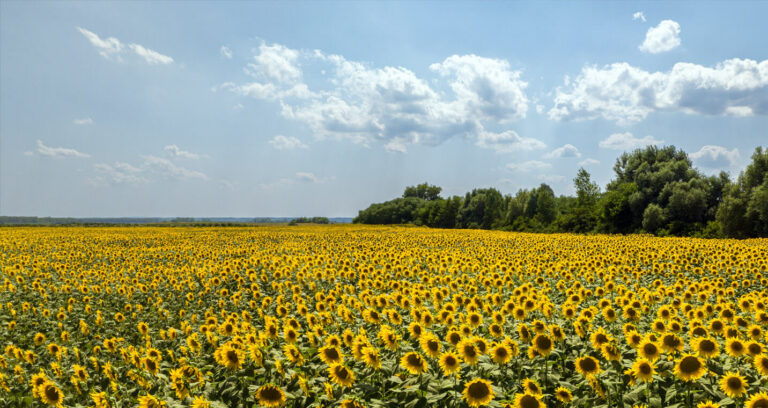
The Biocyclic Vegan certificate covers the crops from our certified organic fields: oats, sunflowers, peas, wheat, chickpeas, flax, potatoes, alfalfa, vegetables, herbs and seeds. It is valid until 31 March 2028.
How do we supply nitrogen to our crops without manure?
Organic certification rules prohibit mineral nitrogen fertilisers, and many organic farms use manure to return nitrogen to the soil. We keep no livestock and use no manure on any of the 3.697 hectares of arable land we farm in the 2026/27 season.
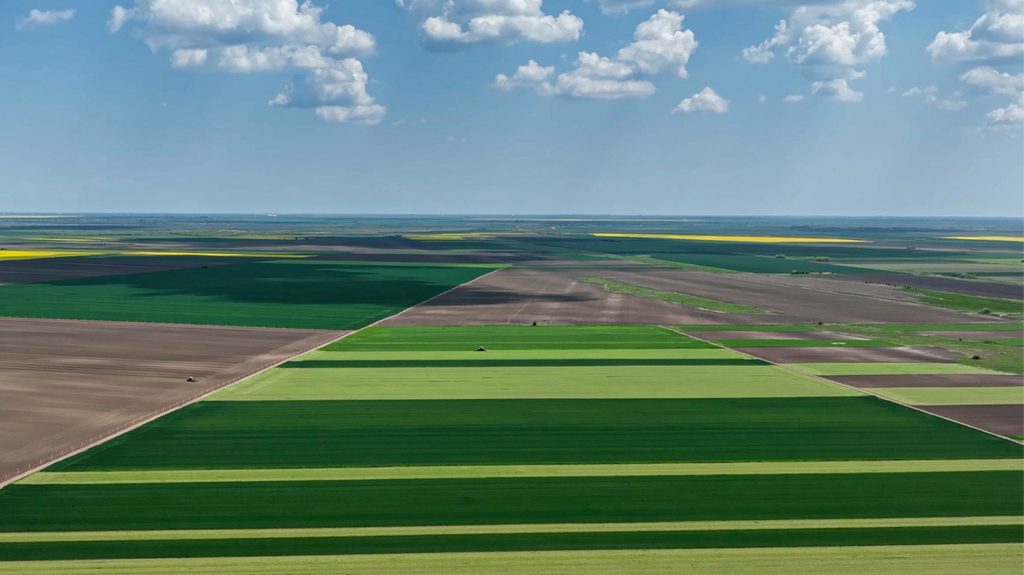
Most of our nitrogen comes from the air. Peas and chickpeas host bacteria in their root nodules, and those bacteria turn the nitrogen into a form that plants can use. We harvest the grain and return all residues to the soil. As the residues break down, they release additional nitrogen for the crops that follow.
That is why the order of the crops matters. Our sustainable five-year crop rotation starts with peas. Oats or wheat come second and use the nitrogen the peas leave behind. Chickpeas come third and supply additional nitrogen.
Flax follows, a crop that needs little nitrogen. Sunflower closes the rotation as a nitrogen scavenger: its long roots take up nitrogen from deeper soil layers. Then the rotation starts again with peas.
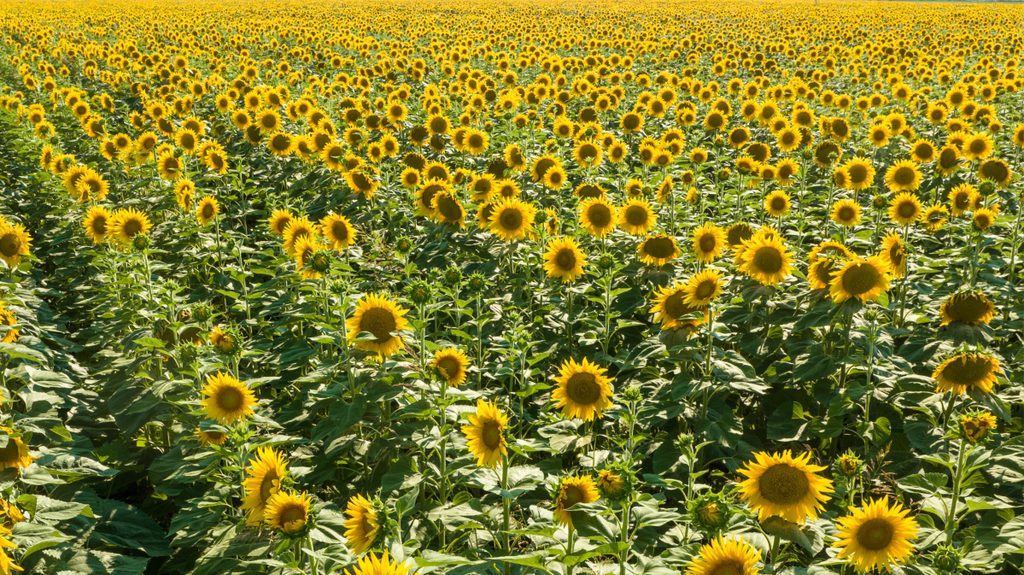
“We don’t buy nitrogen and we don’t transport it,” says our agronomist Đura Karagić. “We grow it exactly where it is needed: in the field.”
Following the EU Organic renewal on 7 October 2026, we have now renewed our Bio Suisse certification as well. The certificate runs until 29 February 2028 and covers the forage plants, seeds, tillage crops and vegetables from our certified organic fields.
Bio Suisse requires farms to dedicate at least 7% of their utilised agricultural area to biodiversity. In the 2026/27 season, we have 716 hectares of biodiversity zones alongside our arable fields. They include planted buffer zones between our fields and neighbouring farms, as well as meadows, woodland and trees.