 Careers
 Poslovi
A week of data, fields, and frank conversations: the Lighthouse Farm Lab at LoginEKO
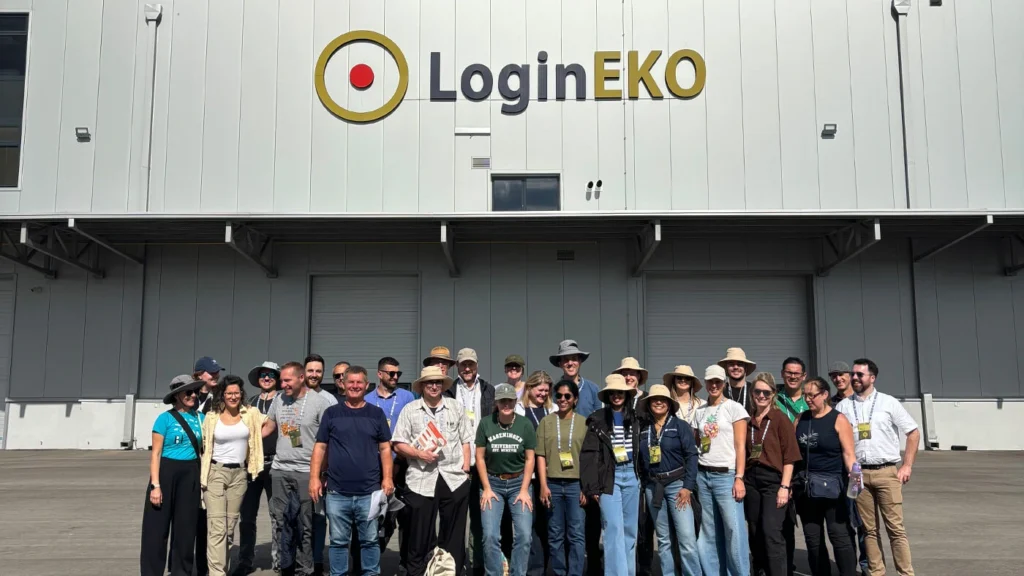
For five days, from June 1 to June 5, 2026, we hosted the Lighthouse Farm Lab, organised by Wageningen University & Research as part of their Farming Systems Ecology program.
19 participants from Ireland, Latvia, the Netherlands, Slovenia, Honduras, the UK, Italy, and Serbia joined us. Researchers, academics, students, consultants, advisors, and food-system professionals, all working on what data and technology actually mean for sustainable farming on the ground.
The week was built around one question: what does it take to bring sustainable, organic farming systems to scale?
Day 1, Monday: Knowing the field
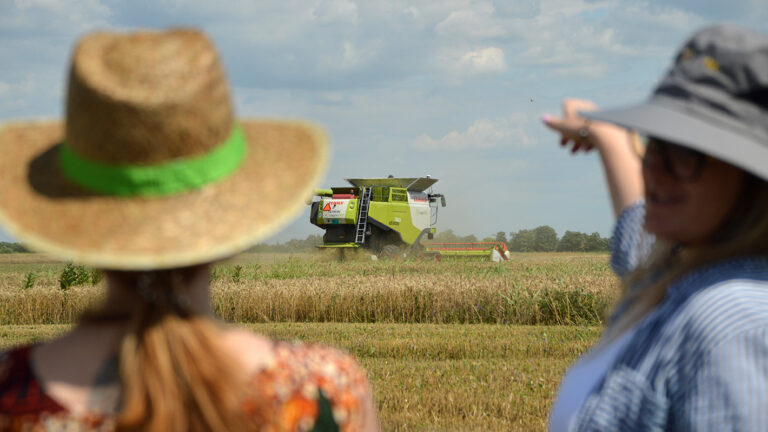
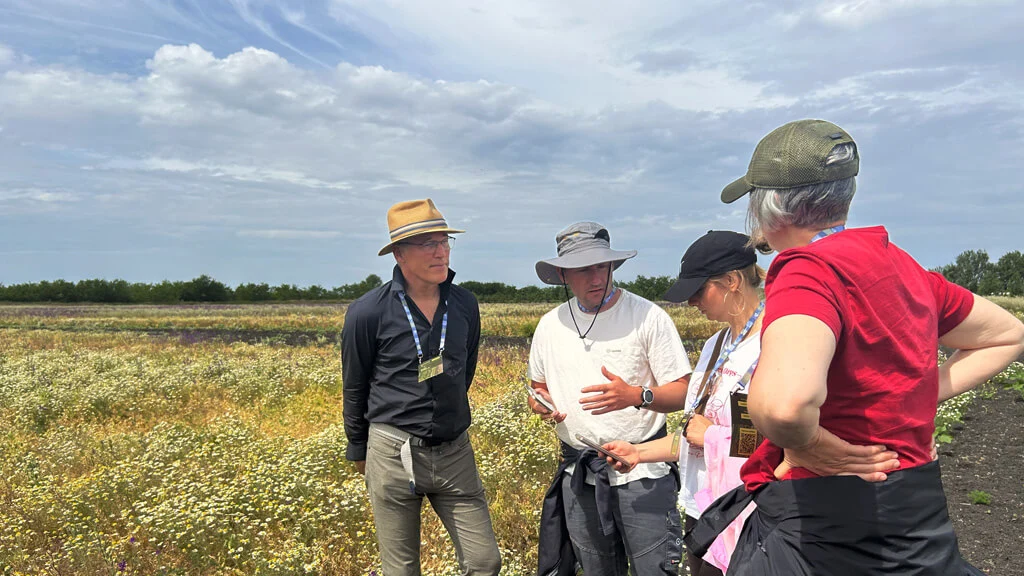
Day one set the foundation. We demonstrated various field-level data collection methods and showed how they support agronomic monitoring, operational decision-making, and data-driven farm management. The session integrated remote sensing, weather and soil sensors, soil sampling, digital scouting, and machinery telemetry into one practical field workflow.
We opened the field session with a Wingtra drone demonstration showing how high-resolution RGB and multispectral imagery capture variety-specific performance in our oat variety screening trial.
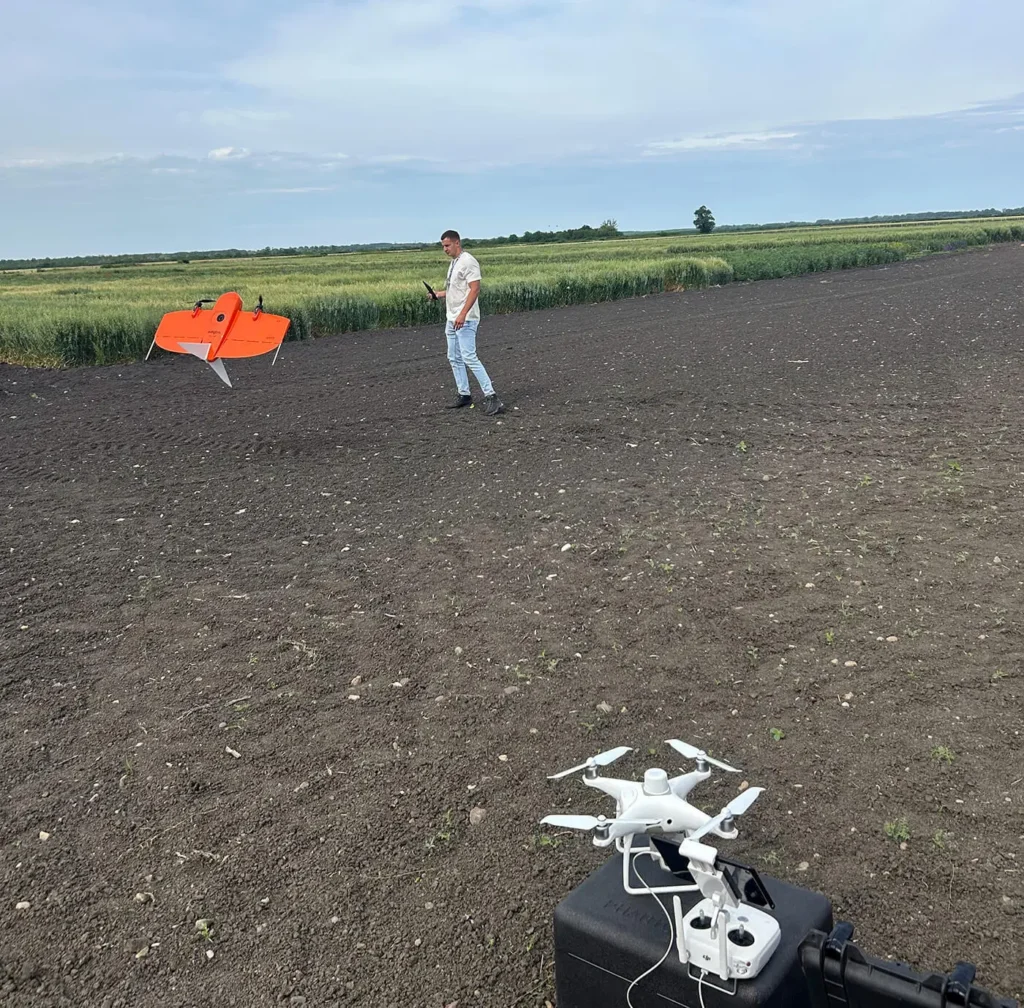
From there, the groups rotated through the stations we rely on every day:
- Meteobot weather and field-condition data, covering air and soil temperature, soil moisture, relative humidity, rainfall, wind, leaf wetness, and evapotranspiration, alongside a demo of our newly acquired automated soil-sampling probe.
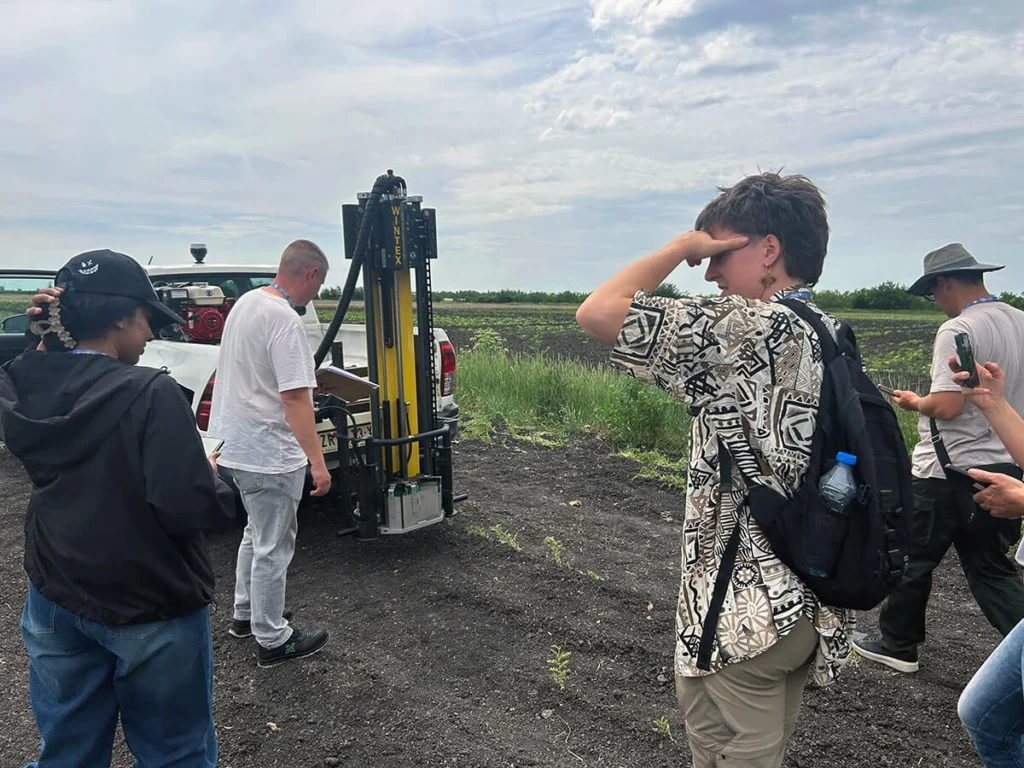
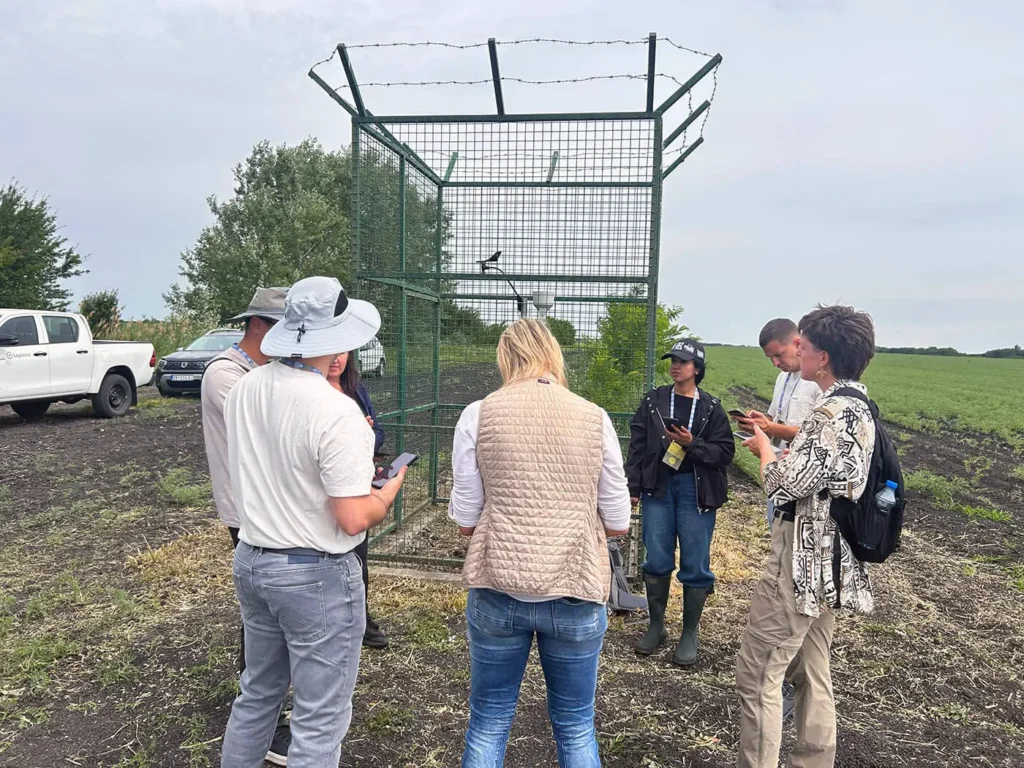
- Scouting with the LoginEKO Farming Software app, where participants entered their own crop stage and condition observations on winter peas.
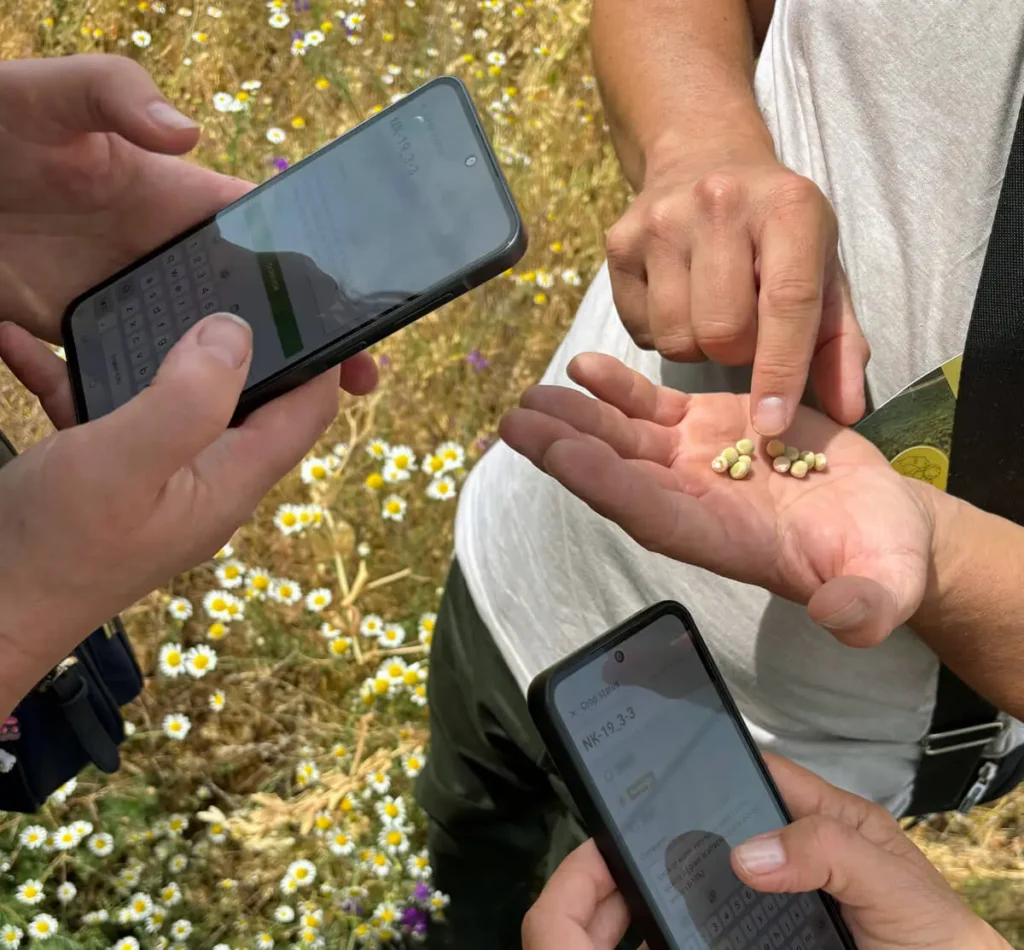
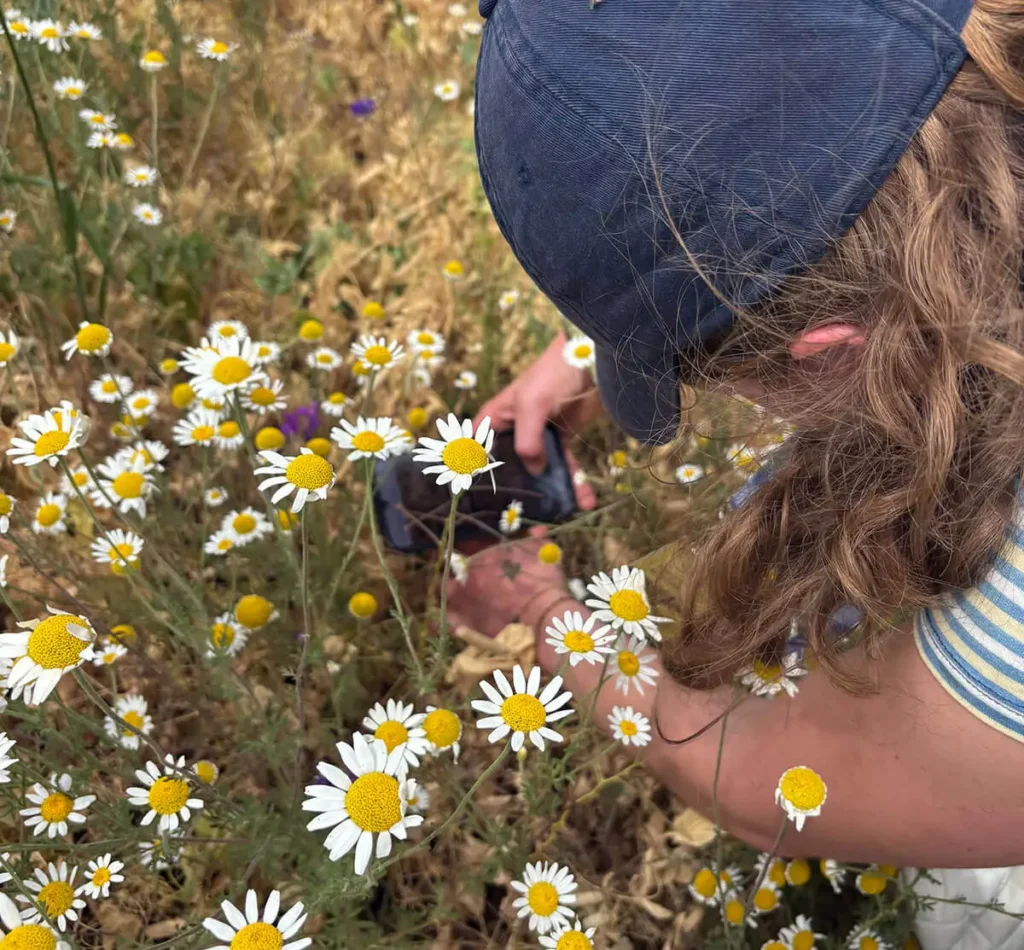
- Manual soil sampling down to 90 cm, where you could feel the structural resistance of our heavy clay for yourself.

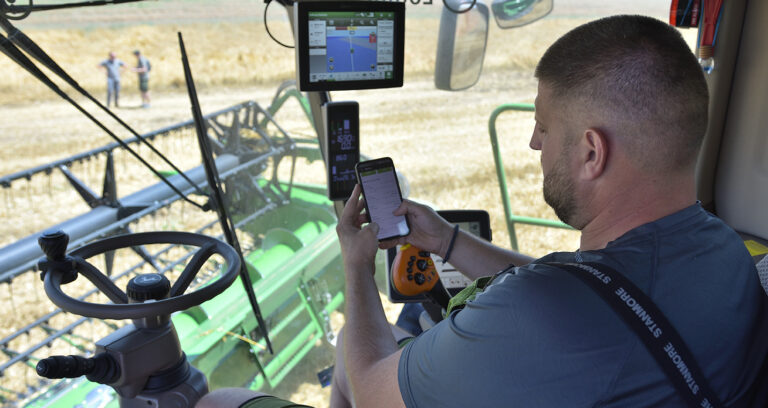
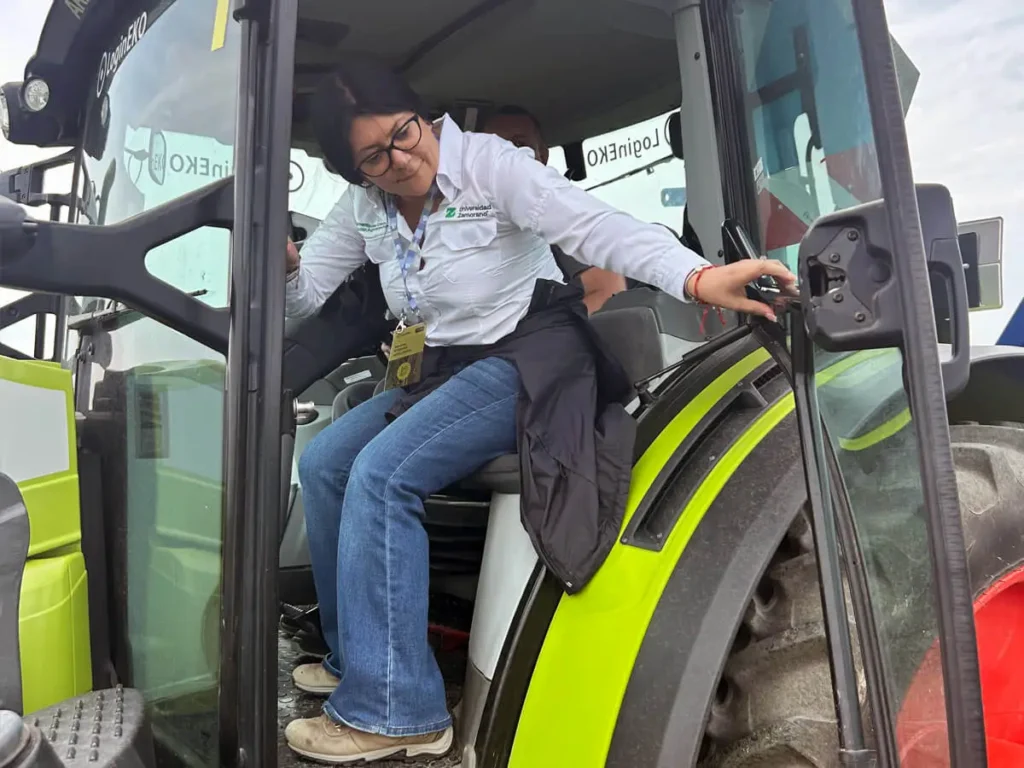
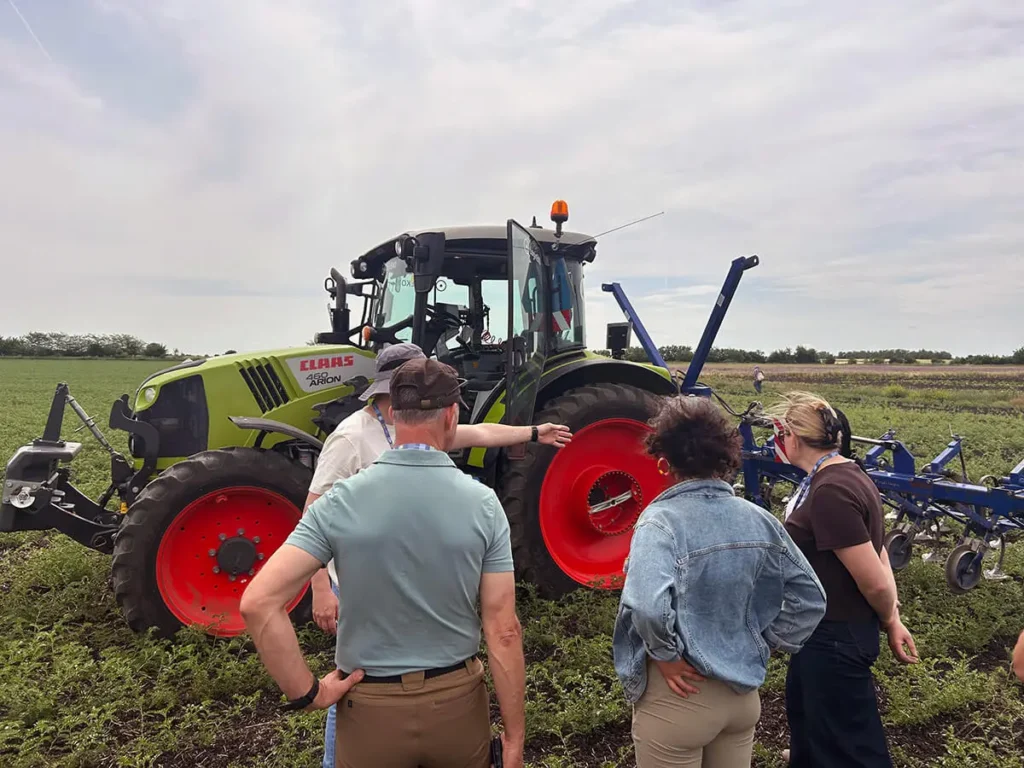
- The smart cabin of our Claas tractor, where participants sat inside the cab during inter-row cultivation in chickpeas.
When we returned to the farm facilities, Jure Bordon presented the different types of agronomic data we collect, including drone recordings, weather station data, tractor operations, scouting, and soil sampling. For one field in one season, we collect more than 10.900 data points, and for the whole farm, we collect over 342.500 data points every season.
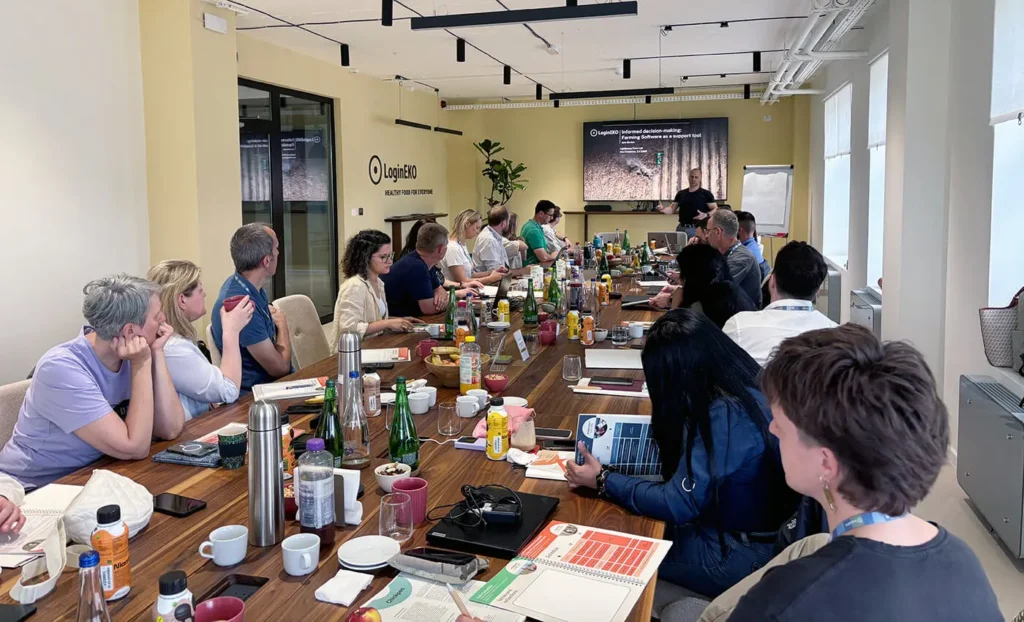
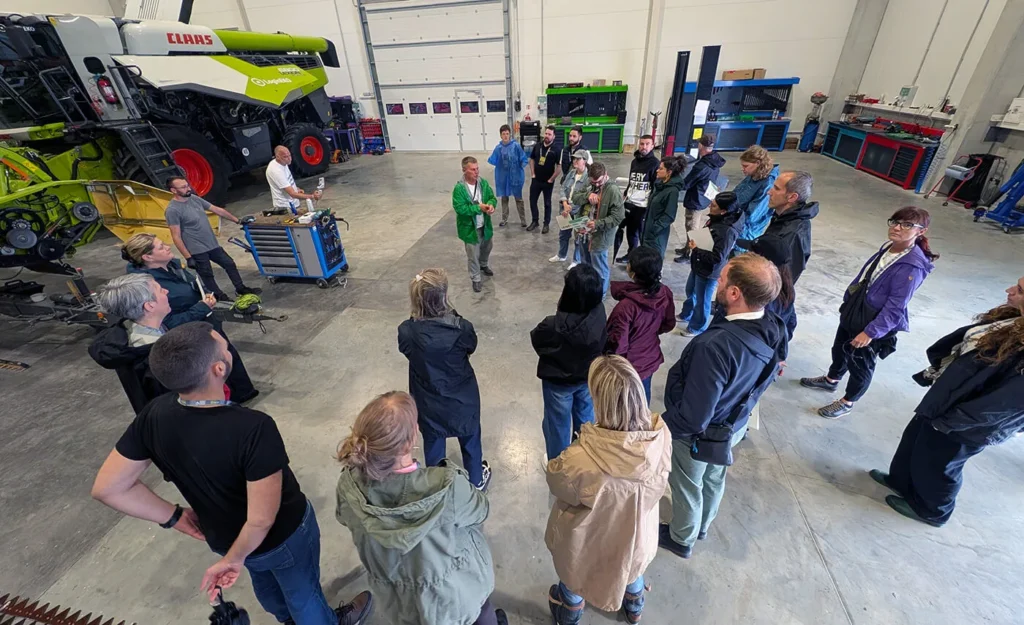
Later in the day, Samo Login presented solutions that LoginEKO is developing, from sustainable farming models and Farming Software to traceability and food development, and Đura Karagić led a facility tour, walking us through our mechanization, silo, and processing.
The day closed with two talks: prof. Rogier Schulte on the Five shades of green, a framework for distinguishing among different approaches to sustainable agriculture, and prof. Lenora Ditzler on Thematic clusters in digital agriculture.
Day 2, Tuesday: From data to decision
Day two moved from collecting data to using it. Theme: the digital transformation of decision-making in agronomy.
Prof. Rogier Schulte ran a session on “thinking like a farmer in bundles of measures,” challenging participants to move away from a checklist mindset and to start seeing the farm as a system in which farm elements interact and change.
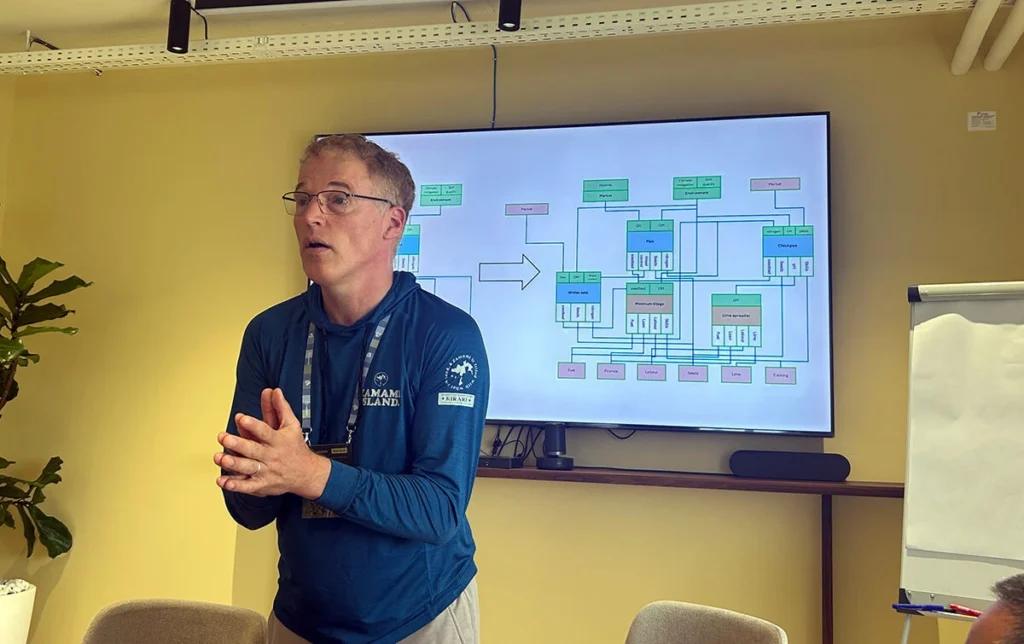
Jure Bordon then walked the group through the LoginEKO Farming Software, showing the data participants collected in the field the day before and how the software supports strategic and tactical decisions across the farm, from day-to-day decisions to complex crop rotation planning, crop traceability reports, and organic certification paperwork.
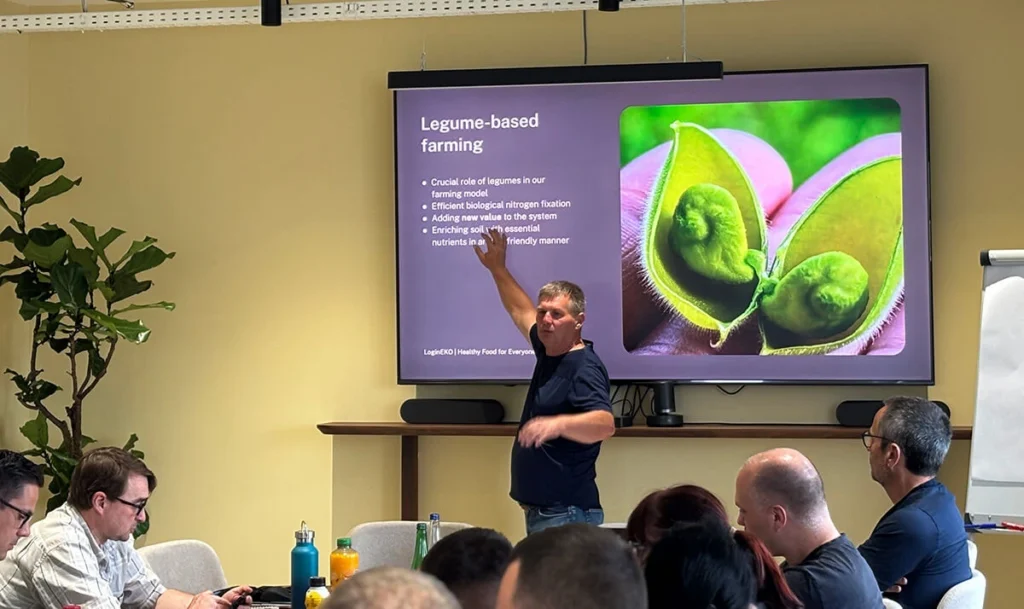
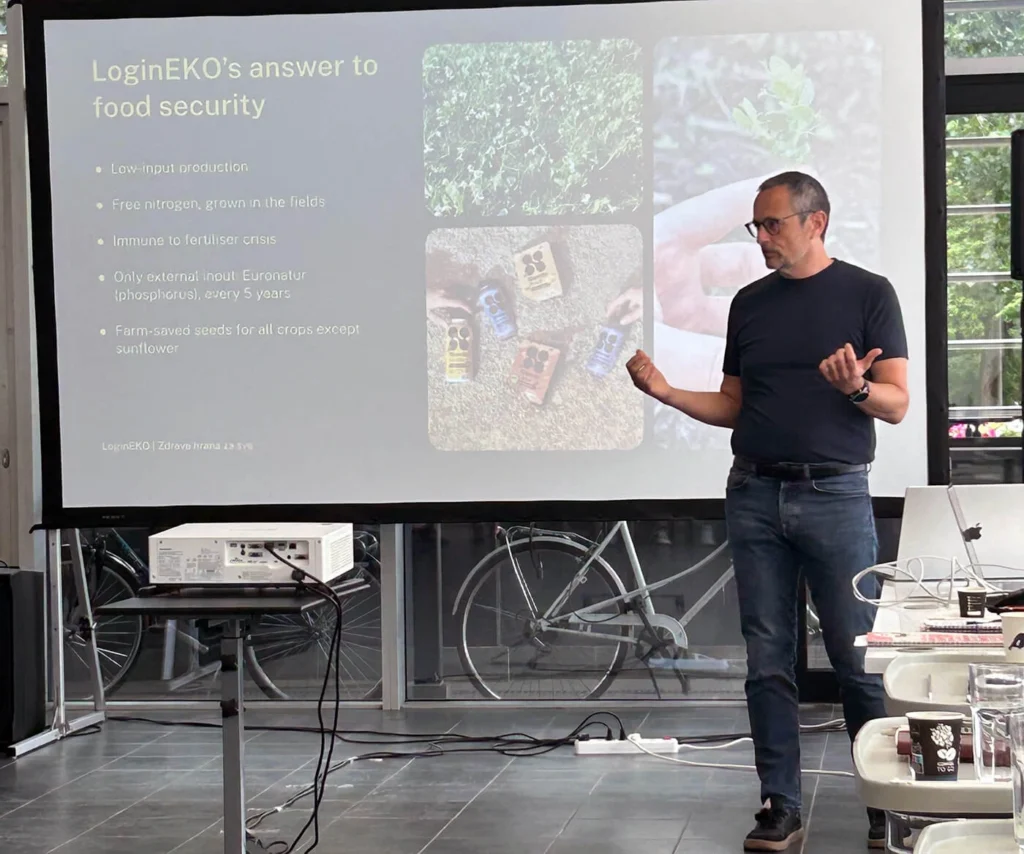
In the afternoon, Đura Karagić presented LoginEKO’s data-based, sustainable farming model. How we manage 3.250 hectares without mineral fertilisers or manure, using a five-year crop rotation built around legumes that fix nitrogen.
The day closed with a visit to our neighbour, Boško Oluški, whose conventional farm offers a contrasting example of large-scale farming under the same agroclimatic conditions, but with a different cropping structure, inputs, and irrigation system.
Day 3, Wednesday: Transparency and market value
Day three asked: How does farm data travel through the supply chain to create trust, transparency, and accountability?
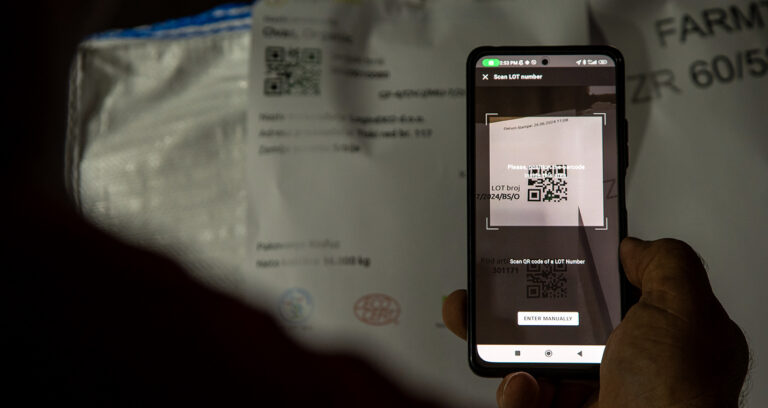
Prof. Rogier Schulte opened with a “masterclass in greenwashing,” showing how poorly chosen indicators can mislead consumers and policymakers alike. Samo Login then presented LoginEKO’s philosophy on transparency and traceability: publicly sharing the full path of our crops, from field to consumer product, open to everyone and published on our website. We built The Origin because we needed it ourselves, and we share it for free, giving every food product a traceable story, from the seed variety planted in a specific field to the finished product on your table.
In the afternoon, we traveled to Global Seed, where CEO Saša Vitošević welcomed the group and walked us through their journey from conventional to organic and back. A panel discussion followed with stakeholders from Donau Soja, NALED, the Vojvodina Organic Cluster, EcoAgri Serbia, and Global Seed, focused on what data different parts of the value chain actually need and how that affects farmers on the ground.
Day 4, Thursday: The ethics of digital agriculture
Day four shifted from technology to its implications. What do these tools mean for different people in different places? Who wins, and who loses?
Prof. Lenora Ditzler opened with a session on the social dimensions of digital agriculture, looking at automation, inequality, and the assumptions baked into utopian and dystopian visions of farming’s future. Samo Login then presented LoginEKO’s vision for the future and scaling our system, including the philosophy behind open-use software and other solutions we develop.
In the afternoon, the group visited the BioSense Institute in Novi Sad, where dr. Oskar Marko presented data solutions for government and insurance, dr. Goran Kitić presented sensing solutions for greenhouse optimization, and dr. Jovana Stanojev led a lab tour.
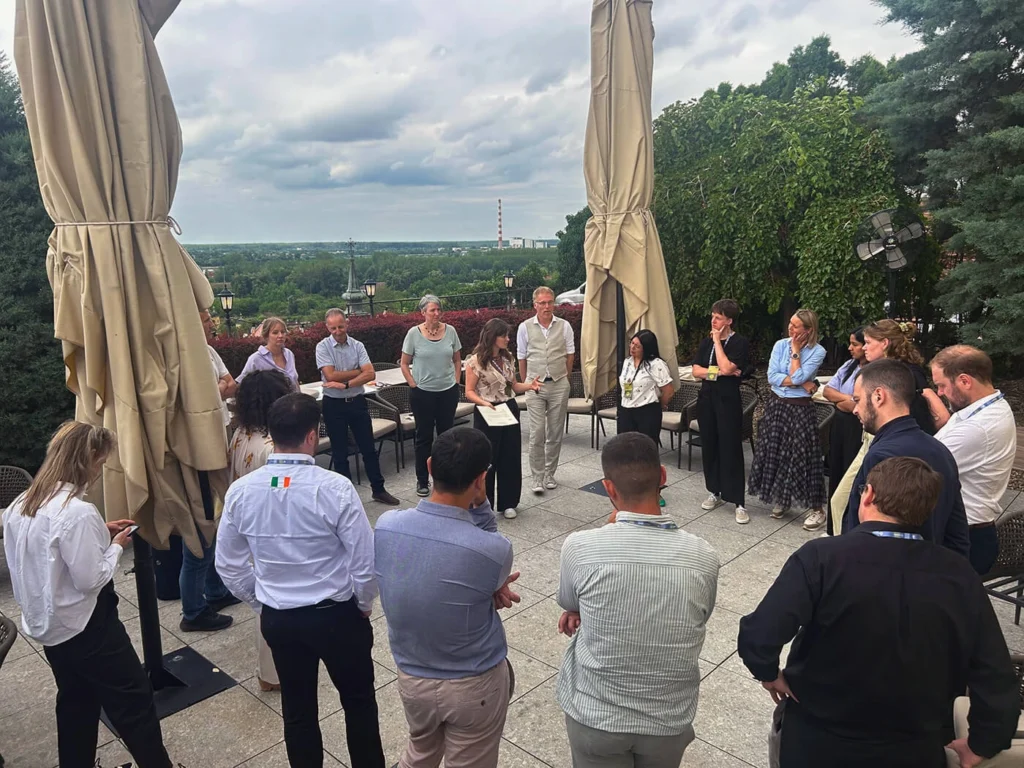
The day closed at the Petrovaradin Fortress with an embodied mapping exercise led by Prof. Lenora Ditzler, followed by a presentation from the Dutch Embassy on supporting sustainable agricultural transformation in Serbia, and a networking dinner hosted by the Embassy.
Day 5, Friday: Bringing it all together
The final day belonged to the participants. All week, four groups worked on developing a value-added product proposal, each assigned one of our crops: oats, peas, and chickpeas, with two teams working on peas. By Friday morning, each team had built a data and traceability plan covering the field, the farm, the supply chain, and the social dimension.
The four teams pitched their ideas to a panel of experts from LoginEKO and the Dutch Embassy. Twelve minutes per pitch, seven minutes of Q&A. The breadth of ideas, from food product concepts to demonstrations of product traceability, showed just how much ground the week had covered.
What we take away
A full week in the field, in the office, at neighbouring farms, at research institutes, and at the policy table is the best way to show what a data-based, sustainable farming model actually looks like in practice.
Big thanks to Prof. Rogier Schulte, Prof. Lenora Ditzler, Lucy Reid, Elizabeth Freed, and the entire Wageningen University team for building this programme. And thanks to all 19 participants for bringing your questions, experience, and energy to our fields.