 Careers
 Poslovi
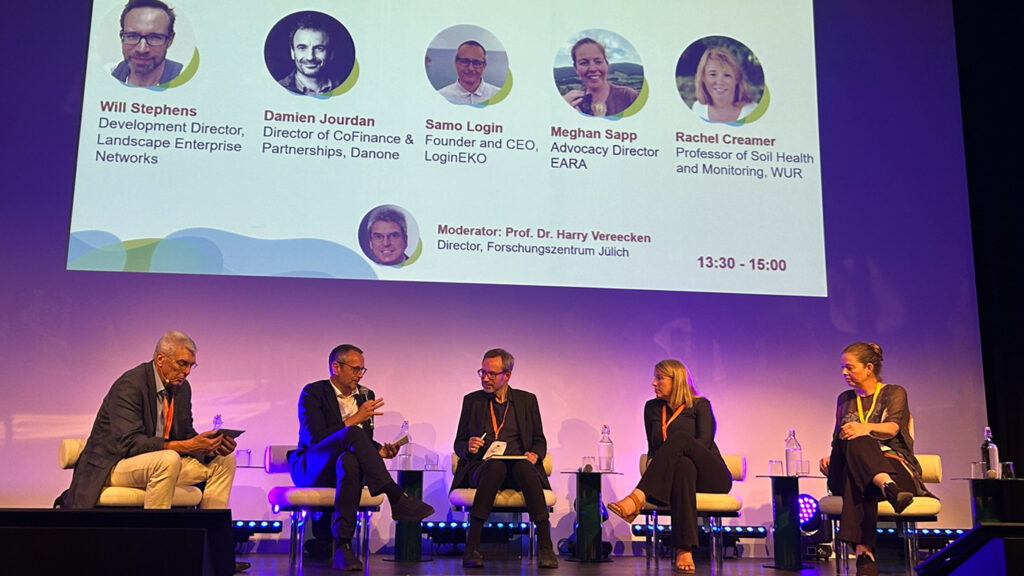
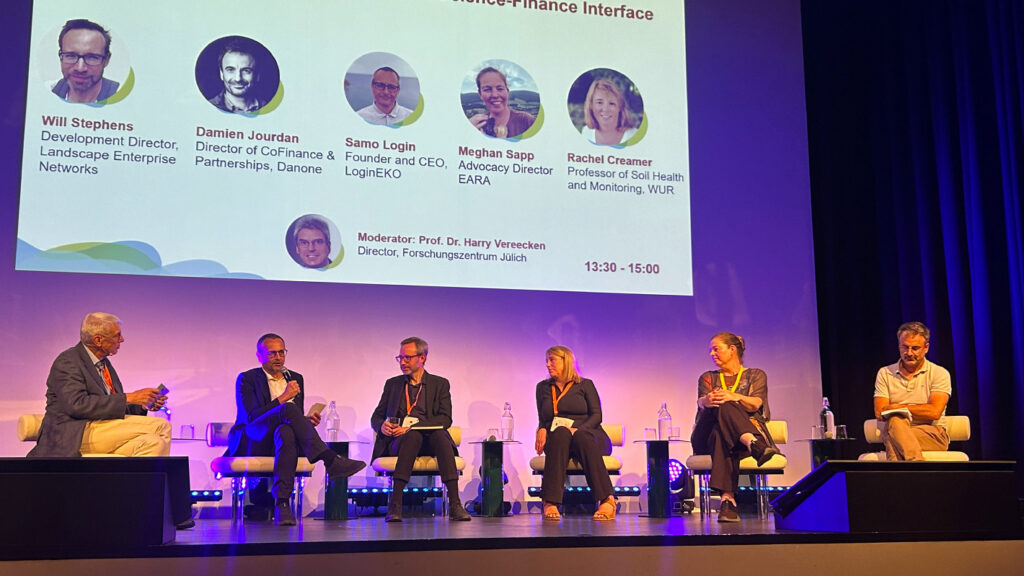
On 30 June in Brussels, the European Commission convened the first Mission Soil Investment Forum, a conference dedicated to the business models, finance, and investment required for healthy soils. Samo Login, founder and CEO of LoginEKO, joined the panel Making soil health investable: MRV, Data, and the Science-Finance Interface, moderated by Mission Board member Harry Vereecken (Jülich Research Centre / University of Bonn), alongside Rachel Creamer (Wageningen University & Research), Meghan Sapp (EARA), Damien Jourdan (Danone), and Will Stephens (Landscape Enterprise Networks).
The session asked a deceptively simple question: how do you turn soil health from an environmental claim into something a farmer, a company, an investor, and a policymaker can all measure, trust, and value? Samo’s answer began with an admission that set the tone for the whole discussion.
The biggest measurement problem is the sample, not the lab
“Everything about soil is hard.” It is not the line you expect from someone who has built a large-scale data-driven farm, but it is an honest one, and it points to a problem the investment conversation tends to skip past.
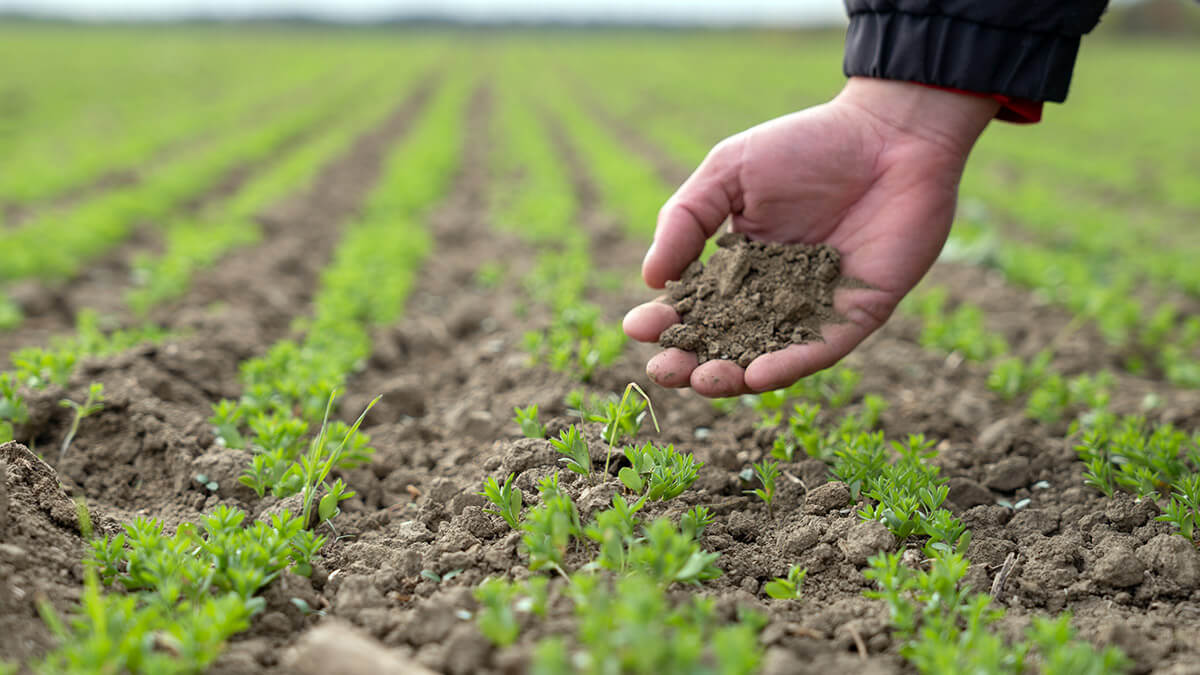
Accredited laboratories are largely a solved problem. They perform within known tolerances; send them a sample, and you get a result you can rely on. Where things break down is upstream, in the field: where and when you sample, how zones are defined, how many subsamples go into a composite, how samples are transported and homogenised. Get any of that wrong, and the analysis, however precise, no longer describes your field.
The conclusion may be uncomfortable, but it is clear. Before soil health can become investable, it has to become measurable in a way people can trust, and that trust has to be built in the field, not only in the laboratory. Standardising the test is not enough; the whole measurement chain has to be standardized.
Never collect data without knowing the decision it serves
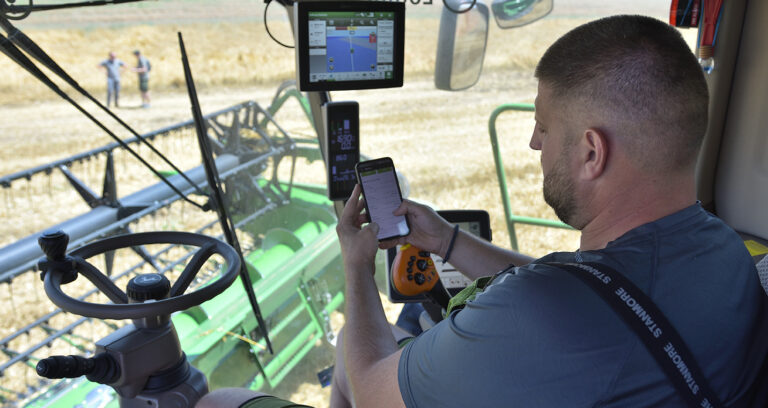
The second lesson was broader than soil. Every time we gathered data without a clear sense of what actions would follow, the data turned out to be either collected incorrectly or useless for the specific purpose, and, tellingly, the errors only became visible once we tried to use them.
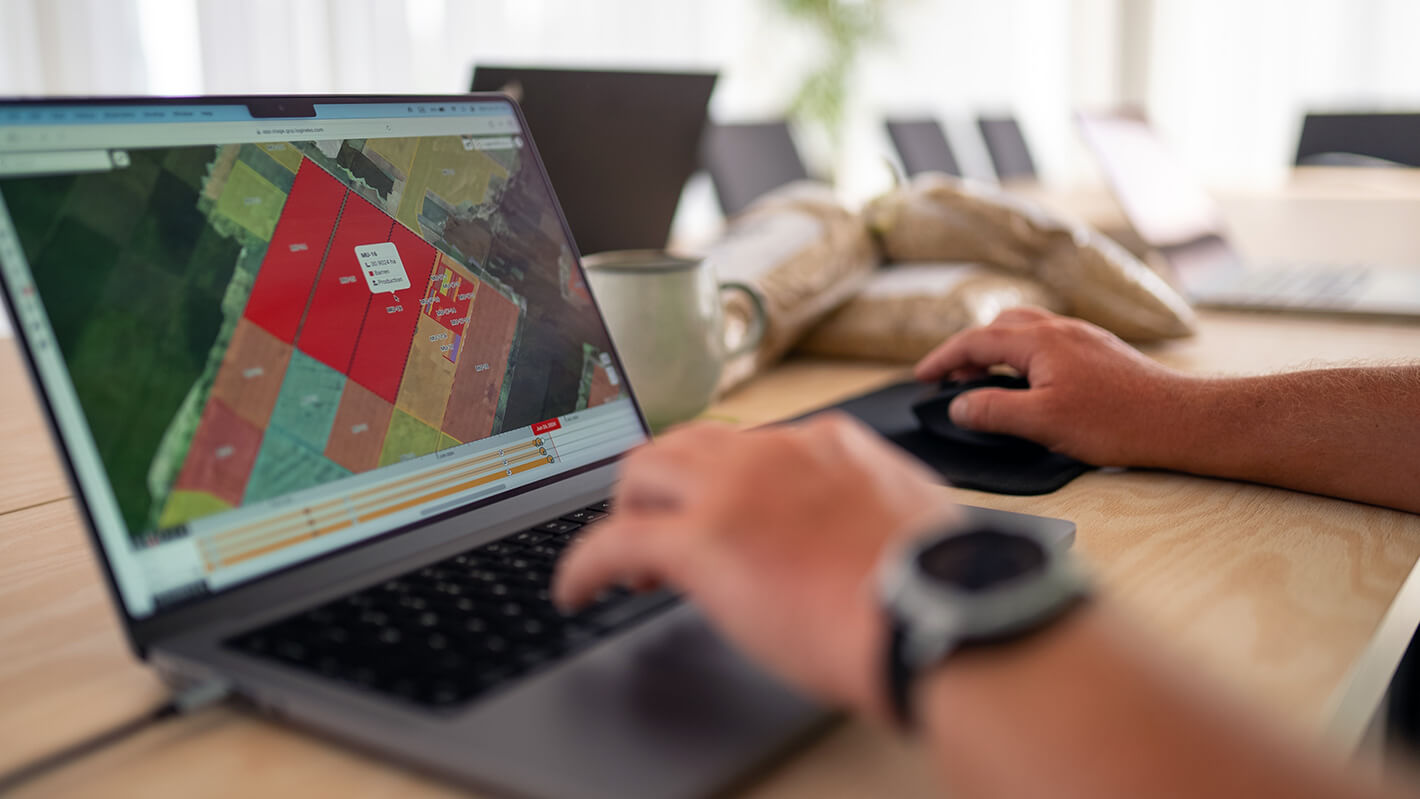
So we reset our approach. The first question now is not “what can we measure?” but “what decision should this data serve, and what action follows?”
No one-system-fits-all
Rachel Creamer of Wageningen University & Research pointed out that there is no single set of indicators that works everywhere. The right starting point is to ask who the data is for and what questions it needs to answer, to relate those questions to real agronomic or environmental objectives, and only then to choose the practices and outcome indicators that fit the context.
Soil monitoring at the European scale, she noted, is valuable for mapping potential soil degradation, offering a landscape-level backbone against which a farm can begin with more local adaptations. But it cannot be read literally at the field level, and it is not a substitute for indicators chosen around a specific question. The number of indicators needed depends on the number of questions you are trying to answer, not on a wish for three or four universal metrics.
Across the panel, the same topic recurred: the work is genuinely complicated, and the temptation to oversimplify it into a tidy scorecard is exactly what produces meaningless data. As several panelists put it in different ways, the path is to lean into the complexity and work together.
Why this matters commercially: rewarding transparency
From our perspective, if measurement reaches a level of transparency where both practices and outcomes can genuinely be trusted, farmers could earn a fair additional revenue stream for the environmental services they provide: healthier soils, biodiversity, water retention, reduced erosion, and not only for the crops they grow. Credible and transparent measurement, reporting, and verification are what make that additional income possible.

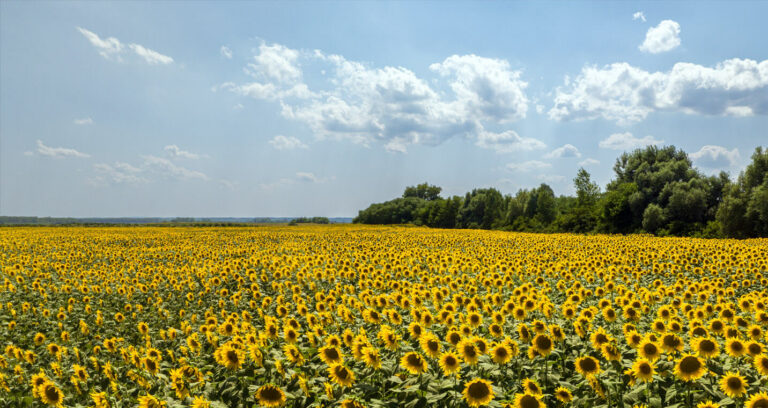
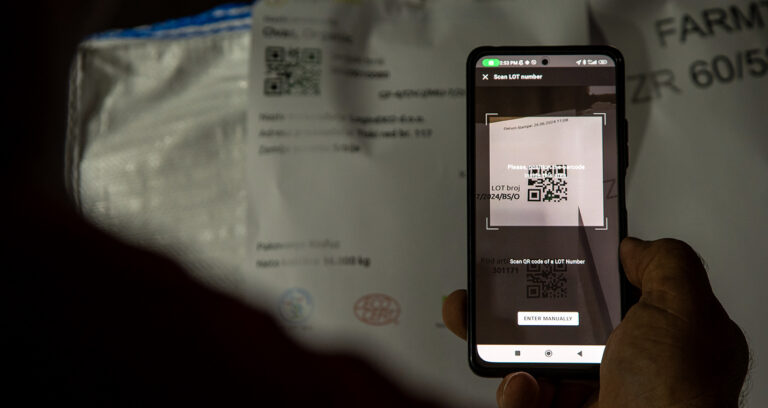
On 3.250 arable hectares of livestock-free organic land in Vojvodina, farmed without synthetic pesticides, mineral fertilisers, or manure, we already share our data openly, and our crops are fully traceable. Farmers, on the other hand, are often reluctant to be transparent about their practices, but if enough reliable data points are collected, it becomes harder to falsify the record than to tell the truth. Honesty, in that model, is something the system can recognise and reward, in farming and across the wider food industry.
The takeaway
Making soil health investable is not, ultimately, a matter of finding the perfect indicator. It is a question of building a standardised measurement chain that is reliable from the field upward, tied to real decisions, and fully transparent, so it can be trusted by different stakeholders.
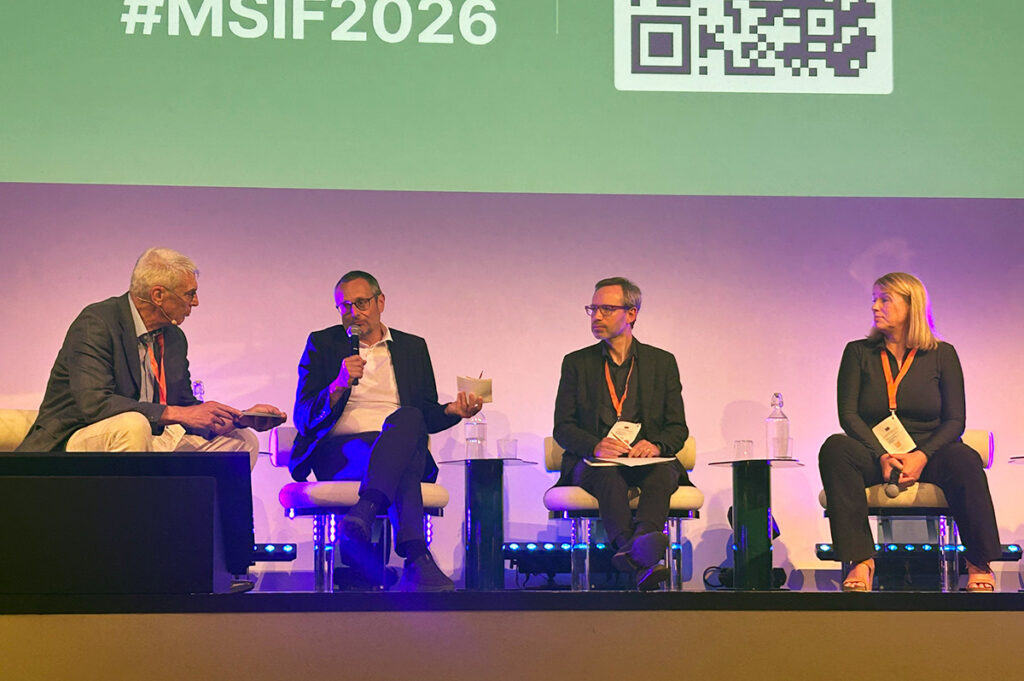
The first Mission Soil Investment Forum did not settle that challenge, but it framed it clearly: the value of soil health will only become investable once the measurement underneath it can be trusted, and that trust comes from data, not from claims.