 Careers
 Poslovi
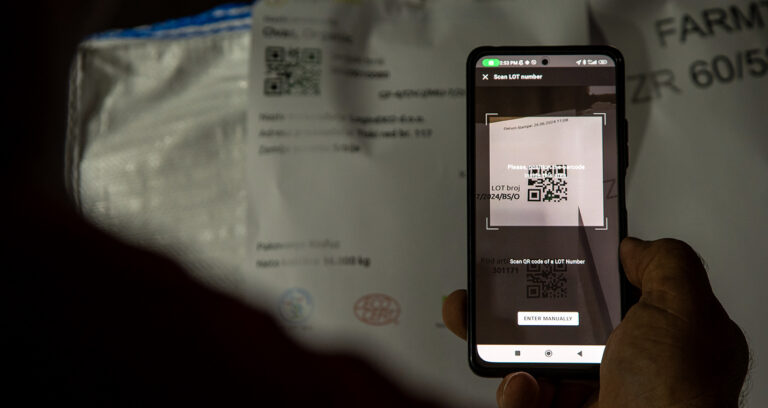
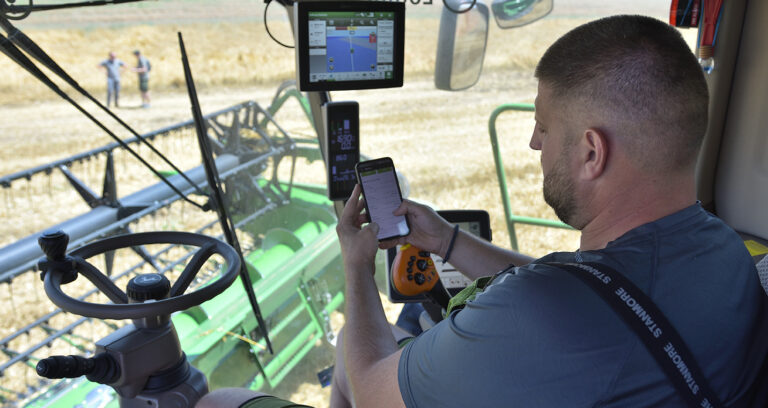
Keeping records involves maintaining detailed and accurate documentation related to organic production. Proper record-keeping is essential for tracking origins, verification of organic status, and ensuring traceability and accountability within the organic supply chain.
Standards
comparison
A concise evaluation of key agricultural practices or products, highlighting their strengths, weaknesses, and impact on farming.
Compare organic standards side-by-side
General
-
All farm activities must be recorded, including purchase documents (invoices for seeds, fertilizers, plant protection products, etc), records of areas and harvested quantities, and records of all sales.
Rulebook on inspection and certification in organic production („Official gazette RS”, No. 95/20 i 24/21) – Articles 85, 86, 87, 88, 89, 90, 91; pages 34-36.

All farm activities must be recorded, including purchase documents (invoices for seeds, fertilizers, plant protection products, etc), records of areas and harvested quantities, and records of all sales.
Regulation (EU) 2018/848 – Chapter V, page 40.
All farm activities must be recorded, including purchase documents (invoices for seeds, fertilizers, plant protection products, etc), records of areas (including biodiversity), harvested quantities, and records of all sales.
Bio Suisse Standards 2025 – Point 2.1.3.1, page 18.
All farm activities must be recorded, including purchase documents (invoices for seeds, fertilizers, plant protection products, etc), records of areas and harvested quantities, and records of all sales.
Naturland Standard on Production – Point 6, page 8.
-
Labeling in organic regulation requires clear and accurate disclosure of organic certification status and compliance with established standards to ensure transparency and prevent misleading claims.
Must be approved by the control body.
Rulebook on inspection and certification in organic production („Official gazette RS”, No. 95/20 i 24/21) – Chapter VIII, page 49.
Must be approved by the control body.
Regulation (EU) 2018/848 – Chapter IV, page 37.
Must be approved by the control body.
Bio Suisse Standards 2025 – Point 3.2.1.1, page 256.
Must be approved by the control body.
Naturland Standard on Production – Point 8, page 8.
-
Parallel production permits the simultaneous cultivation of organic and non-organic crops under specific conditions.
Parallel production is possible but only under the condition that organic and conventional varieties can be easily differentiated. The requirements concerning different species and varieties shall not apply to research and educational centers, plant nurseries, seed multipliers, and breeding operations.
Rulebook on inspection and certification in organic production („Official gazette RS”, No. 95/20 i 24/21) – Article 10, page 7.
Parallel production is possible but only under the condition that organic and conventional varieties can be easily differentiated. The requirements concerning different species and varieties shall not apply to research and educational centers, plant nurseries, seed multipliers, and breeding operations.
The entire agricultural production must be farmed organically.
Full farm conversion is mandatory.
Bio Suisse Standards 2025 – Whole farm approach – point 4.1.2.1, p. 264
Gradual conversion – point 4.1.3, p. 265
Parallel production – point 4.1.4, p. 265 Point 4.1.3.1, page 288.
The entire agricultural production must be farmed organically.
Full farm conversion is mandatory.
Naturland Standard on Production – Point 4, page 7.
-
A specific segment that does not apply to every producer. An agricultural research center focuses on developing sustainable farming practices, innovative techniques, and scientific knowledge to enhance the productivity, environmental health, and economic viability of organic agriculture.
An agricultural research and educational center is possible, but requires specific registration of the producer.
Rulebook on inspection and certification in organic production („Official gazette RS”, No. 95/20 i 24/21) – Article 10, page 7.
An agricultural research and educational center is possible, but requires specific registration of the producer.
Not precisely defined but not forbidden.
Not precisely defined but not forbidden.
-
2 years for annual crops, 3 years for perennial crops. It is possible to shorten the conversion period based on previous management practices.
Rulebook on inspection and certification in organic production („Official gazette RS”, No. 95/20 i 24/21) – Chapter IV, page 31.
2 years for annual crops, 3 years for perennial crops. It is possible to shorten the conversion period based on previous management practices.
Regulation (EU) 2018/848 – Annex II, point 1.7, page 57.
The conversion period takes at least two full calendar years. It is not possible to shorten this period.
Bio Suisse Standards 2025 – Point 4.1.1, page 264.
2 years for annual crops, 3 years for perennial crops. It is not possible to shorten the conversion period.
Naturland Standard on Production – Point 8, page 9.
-
Biodiversity in organic standards emphasizes the importance of maintaining a diverse range of plant and animal species on farms to enhance ecosystem health, resilience, and productivity while supporting sustainable agricultural practices.
Requires a high degree of biodiversity, conservation of natural resources, and the application of high standards for animal welfare and production methods using natural substances and procedures. The minimum required area is not defined.
Law on Organic Production (Official gazette 30/2010) – Article 5, page 3.
Requires a high degree of biodiversity, conservation of natural resources, and the application of high standards for animal welfare and production methods using natural substances and procedures. The minimum required area is not defined.
Regulation (EU) 2018/848 – Chapter II, Article 4, page 22.
At least 7% of a farm’s utilized land must be dedicated to biodiversity.
Clearing and destroying forests (older than 15 years) and high conservation value areas for agricultural use is prohibited.
Bio Suisse Standards 2025 – Point 4.2.3.1, page 269.
Biological diversity, is to be maintained and fostered on farms to the best of the farmer’s ability; this includes ecosystem diversity, species diversity, and genetic diversity. The minimum required area is not defined.
Naturland Standard on Production – Point 1, page 10.
-
Not regulated.
Not regulated.
It requires fulfilling a checklist that pertains to the working conditions of employees at farming and processing operations (not to be confused with fair trade requirements). It also requires the implementation of risk-based social audits.
Bio Suisse Standards 2025 – Point 3.3, page 256.
Implementation of requirements governing social responsibility toward workers on Naturland farms worldwide is required. It also requires fulfilling a checklist.
Naturland Standard on Production – Chapter III, page 13.
-
Water resource management emphasizes sustainable use and conservation practices to maintain water quality and availability, ensuring ecosystems health while supporting efficient agricultural practices.
Not specifically regulated; only defined by recomandation: the responsible use of energy and natural resources, such as water, soil, organic matter, and air.
Law on Organic Production (Official gazette 30/2010) – Article 5, page 4.
Not specifically regulated; only defined by recomandation: the responsible use of energy and natural resources, such as water, soil, organic matter, and air.
Regulation (EU) 2018/848 – Article 5, page 22.
Operations in areas with increased water risks must fulfill additional requirements, e.g., follow a water resources management plan, provide proof of legality, and use efficient irrigation systems.
Bio Suisse Standards 2025 – Point 3.6, page 260.
Regulations on the sustainable use of water in areas with scarce water resources (e.g. draw up a water management plan, use efficient and water-saving irrigation systems, etc.).
Naturland Standard on Production – Point 9, page 17.
-
Nanomaterials are regulated to ensure safety and environmental protection, preventing potential risks to human health and ecosystems associated with their use.
Not regulated.
The exclusion of food containing or consisting of engineered nanomaterials.
Regulation (EU) 2018/848 – Article 7, page 24.
Not regulated.
The exclusion of nanomaterials in production and processing.
Naturland Standard on Production – Point 4, page 10.
-
PVC as a packaging material is regulated due to concerns about its environmental impact, ensuring that materials used align with sustainability and health standards.
Not regulated.
Not regulated.
Packaging materials containing chlorine (e.g., PVC) may not be used.
Bio Suisse Standards 2025 – Point 1.9.2, page 146.
For protected structure coverings—such as plastic mulches, insect netting, and silage wrapping—only products based on polyethylene (PE), polypropylene (PP), or polycarbonates are allowed. These must be removed after use and shall not be burned on farmland. The use of polyvinyl chloride (PVC)-based products is prohibited, and recycling is recommended.
Naturland Standard on Production – Point 9, page 12.
-
Means of transport refers to the logistical methods used to move products.
No special requirements.
No special requirements.
Air freight is prohibited.
Bio Suisse Standards 2025 – Part V, page 249.
No special requirements.
-
The cost breakdown of each standard.
Only an annual certification cost is required, which is set based on the scope of certification. No additional fees are anticipated.
Only an annual certification cost is required, which is set based on the scope of certification. No additional fees are anticipated.
Only an annual certification cost is required, which is set based on the scope of certification. No additional fees are anticipated. (The certification body’s price offer clearly outlines all costs throughout the year – see Section 3: Step-by-step to organic certification.)
- One-time fee for the initial evaluation visit by Naturland.
- Annual membership fee calculated based on the certified area (ha).
- Annual licence fee calculated on all products marketed with reference to Naturland.
Naturland Standard on Production – Point 2, page 7.
Arable Farming
-
A risk plan outlines strategies for identifying and managing potential risks to ensure compliance with organic standards.
The producer must submit a preventive risk plan to the authorized control body, containing information about preventive measures to reduce the risk of contamination with conventional products or substances, as well as cleaning measures to be implemented in storage facilities and throughout the entire production chain.
Rulebook on inspection and certification in organic production („Official gazette RS”, No. 95/20 i 24/21) – Article 85, paragraph 3.
The producer must submit a preventive risk plan to the authorized control body, containing information about preventive measures to reduce the risk of contamination with conventional products or substances, as well as cleaning measures to be implemented in storage facilities and throughout the entire production chain.
Regulation (EU) 2018/848 – Paragraph 24, page 4.
The producer must submit a preventive risk plan to the authorized control body, containing information about preventive measures to reduce the risk of contamination with conventional products or substances, as well as cleaning measures to be implemented in storage facilities and throughout the entire production chain.
Bio Suisse Standards 2025 – Point 3.8, page 263.
A risk plan is required. Possible risk factors (hazardous waste, emission sources, and sources of contamination, e. g., discharge of sewage sludge) must be eliminated.
Naturland Standard on Production – point 2, page 10.
-
Required proportion of leguminous crops in crop rotation to promote soil fertility, biodiversity, and sustainable agricultural practices.
Only a recommendation: in organic plant production, tillage and cultivation practices should be used to maintain or increase soil organic matter, enhance soil stability and soil biodiversity, and prevent soil compaction and erosion.
Law on Organic Production (Official gazette 30/2010) – Article 6, paragraph 5.
Only a recommendation: in organic plant production, tillage and cultivation practices should be used to maintain or increase soil organic matter, enhance soil stability and soil biodiversity, and prevent soil compaction and erosion.
Regulation (EU) 2018/848 – Annex II, point 1.9.1, page 59.
At least 20% of the crop rotation must protect or improve the soil or accumulate nutrients (e.g., grain legumes, green manure, leys, etc.). Outside of the growing season, at least 50% of the open cropland must have sufficient plant cover. For annual arable and field vegetable crops, there must be at least a 12-month rotation break between two main crops of the same species.
Bio Suisse Standards 2025 – Point 4.2.1.1, page 266.
Crop rotation must include an appropriate amount of legumes – either in pure stands or in association with other varieties. In arable farming, minimum of one-fifth of the arable land is to be devoted to main crop legumes.
Naturland Standard on Production – point 2, page 15.
-
It is often necessary to use reproductive material that has not been produced using organic methods; this is permitted under certain conditions.
Exceptionally, non-organic reproductive material may be approved for use in organic production before sowing, provided that:- it has not been treated with plant protection products prohibited in organic farming,
- no organically produced reproductive material is available on the market,
- its use is justified for scientific research, or
- it involves an indigenous variety.
Rulebook on inspection and certification in organic production („Official gazette RS”, No. 95/20 i 24/21) – Article 18.
Authorization to use seed not obtained by the organic production method may only be granted in the following cases:
- where no variety of the species that the user wants to obtain is registered in the database,
- where no supplier—meaning an operator who markets seed to other operators—is able to deliver the seed before sowing or planting, provided the user has ordered the seed or seed potatoes in reasonable time,
- where the variety that the user wants to obtain is not registered in the database, and the user can demonstrate that none of the registered alternatives of the same species are appropriate, making the authorization significant for their production,
- or where it is justified for use in research, testing in small-scale field trials, or for variety conservation purposes.
Regulation (EU) 2018/848 – Annex II, point 1.8.5, page 58.
Derogation of seeds is possible under the same conditions as EU regulations. Hybrid varieties are prohibited for the following species:
- Grain (except maize),
- Rapeseed (except HOLL [High Oleic Low Linolenic] rapeseed).
Bio Suisse Standards 2025 – point 4.2.2.2, page 268.
Derogation of seeds is possible in same conditions as EU regulations. When purchasing means of production (e. g., farm-produced fertilizer, fodder), these must be bought from Naturland farms or meet Naturland’s respective quality assurance requirements.
Naturland Standard on Production – point 5, page 16.
-
A type of partially decomposed organic matter found in waterlogged, acidic environments, often used as a soil amendment and in horticulture.
Use limited only to horticulture.
Rulebook on inspection and certification in organic production („Official gazette RS”, No. 95/20 i 24/21) – Annex 1, pаgе 70.
Use limited to horticulture (market gardening, floriculture, arboriculture, nursery).
Regulation (EU) 2021/1165 – Annex II, page 13.
The addition of peat to enrich the soil with organic matter is prohibited. The use of styromull and other synthetic substances in the soil or in substrates is also not permitted. The use of peat should be avoided wherever possible. If possible, the quantity of peat used should be reduced through the use of smaller pot sizes.
Bio Suisse Standards 2025 – point 4.2.4.1, page 271.
Restriction of peat use to a maximum of 80% for seedlings (including potted herbs) and a maximum of 50% in all other substrates (e.g., potted ornamental plants, tree nursery containers, etc.); extensive application as a means of enriching the soil is not permitted.
Naturland Standard on Production – point 1.3, page 45.
-
Substances approved for use in organic farming, such as natural fertilizers, pest control agents, and soil enhancers.
Allowed active ingredients are listed in the national ragulation, with additional lists of approved products.
Rulebook on inspection and certification in organic production („Official gazette RS”, No. 95/20 i 24/21) – Annex 1 and Annex 2.
Allowed active ingredients listed in the EU regulation.
List of active ingredients allowed by the standard in 2025, with FiBL list of allowed products with commercial names.
List of permissible active substances of plant protection and treatment products, biological, physical and biotechnological pest control methods allowed by the standard in 2024.
Allowed Substances
-
Nitrogen as a fertilizer should be derived from natural sources, such as legumes and compost, to enhance soil fertility and promote plant growth, while adhering to strict guidelines that ensure environmental sustainability and prevent chemical contamination.
The total amount of fertilizer used in organic production, including manure, dry manure, dehydrated poultry manure, and composted animal excrements, must not exceed 170 kg of nitrogen per hectare per year due to the potential contamination of soil and water with nitrates.
Rulebook on inspection and certification in organic production („Official gazette RS”, No. 95/20 i 24/21) – Article 20, paragraph 3, page 11.
The total amount of livestock manure shall not exceed 170 kg of nitrogen per hectare per year of agricultural area used.
Regulation (EU) 2018/848 – Annex II pt 1.9.4. and 1.9.8, page 59.
The total amount of input shall not exceed:
- 180 kg total nitrogen per hectare per year for arable production (grains, cereals),
- 225 kg total nitrogen per hectare pre year for vegetable production.
Bio Suisse Standards 2025 – Point 4.2.4.1 i 4.2.4.2, page 271.
- The total amount of fertilizer (from the farm’s own livestock and external fertilizers) is restricted to 1.4 DU/hectare, equivalent to 112 kg nitrogen/hectare/year. Higher amounts are only permitted for special crops, e.g., in vegetable growing.
- When growing vegetables in the open, nitrogen fertilization must not exceed 110 kg N/ha per year on average in market gardening areas. DU = dung unit (1.4 DU corresponds to the excrement of two adult cattle).
- Nitrogen analyses of the produce grown may be imposed in particular cases by Naturland for certain crops.
- Synthetic chemical nitrogenous fertilizers and other easily soluble fertilizers, fecal sludge, and compost from sewage sludge are prohibited.
Naturland Standard on Production – page 15.
-
Phosphorus as a fertilizer is essential for promoting root development, flowering, and overall plant health, as it supports energy transfer and photosynthesis, while being sourced from natural and sustainable materials to minimize environmental impact.
Finely ground raw phosphate is allowed. Cadmium content should be less than or equal to 90 mg/kg P₂O₅.
Rulebook on inspection and certification in organic production („Official gazette RS”, No. 95/20 i 24/21) – Annex 1, page 72.
The following phosphorus substances are allowed:
- Soft ground rock phosphate,
- Aluminium-calcium phosphate,
- Basic slag (Thomas phosphates or Thomas slag). Detailed list of allowed substances can be found here.
Regulation (EU) 2021/1165 – Annex II, page 14.
For arable farming (grains, cereals), the limit is 60 kg P₂O₅/ha, and for vegetable production, it is 80 kg P₂O₅/ha.
Farming operations using more than the maximum permitted amounts of phosphorus must, upon request, provide soil analyses to prove that there is no accumulation or oversupply of phosphorus on the plots concerned. If there is a risk of water pollution, the fertilizer limits must be adhered to.
Bio Suisse Standards 2025 – Point 4.2.4.2 i 4.2.4.4, page 271.
When choosing the fertilizers, their heavy metal content has to be considered and possible emissions have to be reduced to a minimum; a percentage of 90 mg Cd/per kg P2O5 must not be exceeded in phosphate fertilizers. Allowed forms are:
- Raw phosphates (with a low content of heavy metals)*
- Thomas phosphate*
- Diammonium phosphate*
- Ferric III phosphate
* The detailed stipulations of the regulation (EU) 2018/848 and of the subsequent legislative acts as amended are to be observed.
Naturland Standard on Production – Appendix 1, page 45.
-
Potassium as a fertilizer is crucial for regulating water uptake and enhancing disease resistance, while being derived from natural sources to align with sustainable agricultural practices and maintain soil health.
Standards permit additional nutrients or potassium-based plant protection only if essential and proven necessary through testing or visible crop deficiency, ensuring alignment with organic, low-input principles. A detailed list of allowed substances can be found here.
Rulebook on inspection and certification in organic production („Official gazette RS”, No. 95/20 i 24/21) – Annex 1, page 72 and Annex 2, page 76.
Standards permit additional nutrients or potassium plant protection only if essential and proven necessary through testing or visible crop deficiency, ensuring alignment with organic, low-input principles. A detailed list of allowed substances can be found here.
Regulation (EU) 2021/1165 – Annex I page 11, Annex II page 15.
If more than 150 kg of potassium per hectare per year is applied using mineral potassium fertilizers, a soil analysis must be conducted.
Bio Suisse Standards 2025 – Point 4.2.4.3, page 271.
Only if required by the results of soil or plant analyses.
Naturland Standard on Production – Appendix 1, page 45 and Appendix 2, page 47.
-
Sulfur is used in farming to promote healthy plant growth, support protein synthesis, and improve crop quality.
Standards permit additional nutrients or sulfur-based plant protection only if essential and proven necessary through testing or visible crop deficiency, ensuring alignment with organic, low-input principles. A detailed list of allowed substances can be found here.
Rulebook on inspection and certification in organic production („Official gazette RS”, No. 95/20 i 24/21) – Annex 1 page 73 and Annex 2 page 76.
Standards permit additional nutrients or sulfur-based plant protection only if essential and proven necessary through testing or visible crop deficiency, ensuring alignment with organic, low-input principles.
Regulation (EU) 2021/1165 – Annex I page 12 and Annex II page 16.
Standards permit additional nutrients or sulfur-based plant protection only if essential and proven necessary through testing or visible crop deficiency, ensuring alignment with organic, low-input principles.
A detailed list of allowed substances can be found here.
Standards permit additional nutrients or sulfur-based plant protection only if essential and proven necessary through testing or visible crop deficiency, ensuring alignment with organic, low-input principles.
Naturland Standard on Production – Appendix 1, page 45 and Appendix 2, page 47.
-
Copper is used in farming primarily as a fungicide to protect crops from diseases.
Allowed up to 6 kg of copper per hectare per year.
Rulebook on inspection and certification in organic production („Official gazette RS”, No. 95/20 i 24/21) – Annex 2 page 75.
Allowed up to 6 kg copper per hectare per year (with the possibility of exceeding this amount if approval is obtained).
Regulation (EU) 2021/1165 – Annex I page 12.
The use of copper is not permitted in field crops, except for potatoes. For copper preparations, the maximum permitted application rates of pure copper per treated hectare per year are as follows:
- Pome fruit: 1.5 kg (up to 4 kg if used in conjunction with strategies to combat fire blight)
- Berries: 2 kg
- Stone fruit: 3 kg
- Viticulture: an average of 3 kg across the total vineyard area 3, with a maximum of 4 kg for individual parcels.
Bio Suisse Standards 2025 – Point 4.2.7.1, page 273.
Maximum of 3 kg Cu per hectare per year, also for potatoes. For hops, maximum of 4 kg Cu per hectare per year.*
*In the form of copper hydroxide, copper oxychloride, copper oxide, Bordeaux mixture, and tribasic copper sulphate.
Naturland Standard on Production – Appendix 2, page 47.
-
Pyrethrum is used as a natural insecticide in farming due to its effectiveness against a wide range of pests. Derived from the chrysanthemum flowers, it is favored in organic farming for its lower toxicity to humans and beneficial insects compared to synthetic pesticides.
Pyrethrins extracted from plants are allowed.
Rulebook on inspection and certification in organic production („Official gazette RS”, No. 95/20 i 24/21) – Annex 2 page 74.
Pyrethrins extracted from plants are allowed.
Regulation (EU) 2021/1165 – Annex I page 12.
Localised applications of spray products or treatment of nooks are allowed. Permitted substances, in descending order of priority, are as follows:
- Natural pyrethrum without added piperonyl butoxide. Sesame oil or another plant oil may be used as a synergist.
- Natural pyrethrum with added piperonyl butoxide as a synergist.
- Synthetic pyrethroids, such as deltamethrin, permethrin, cypermethrin, etc., and chlorpyrifos in the form of microcapsules. Only concentrated formulas that are added to water and sprayed using pump containers are permitted. Aerosol/spray cans are not permitted.
Bio Suisse Standards 2025 – Appendix 1 to Part V, page 2.
Pyrethrum extract from Chrysanthemum cinerariaefolium is allowed. When applying pyrethrum-based substances in crop production and for the protection of stored and warehoused goods, these must not contain the synergist piperonyl butoxide (PBO).
Naturland Standard on Production – Appendix 2, page 48.
-
Pyrethroids are used as insecticides offering effective pest control. However, their use is restricted due to potential risks to non-target organisms, such as beneficial insects and aquatic life, as well as concerns about their environmental impact, promoting a focus on more sustainable pest management practices.
Pyrethroids (only deltamethrin or lambdacyhalothrin) are alowed only in traps with specific attractants and only against Bactrocera oleae and Ceratitis capitata Wied.
Rulebook on inspection and certification in organic production („Official gazette RS”, No. 95/20 i 24/21) – Annex 2 page 76.
Pyrethroids (only deltamethrin or lambdacyhalothrin) are alowed only in traps with specific attractants and only against Bactrocera oleae and Ceratitis capitata Wied.
Regulation (EU) 2021/1165 – Annex I page 12.
Localised applications of spray products or treatment of nooks are allowed. Permitted substances, in descending order of priority, are as follows:
- Natural pyrethrum without added piperonyl butoxide. Sesame oil or another plant oil may be used as a synergist.
- Natural pyrethrum with added piperonyl butoxide as a synergist.
- Synthetic pyrethroids, such as deltamethrin, permethrin, cypermethrin, etc., and chlorpyrifos in the form of microcapsules. Only concentrated formulas that are added to water and sprayed using pump containers are permitted. Aerosol/spray cans are not permitted.
Bio Suisse Standards 2025 – Appendix 1 to Part V, page 2.
Prohibited.
Naturland Standard on Production – Appendix 2, page 48.
-
Spinosad is used in organic farming as a natural insecticide derived from the fermentation of a soil bacterium, effective in controlling a variety of pests.
Standards permit spinosad-based plant protection only if essential and proven necessary through testing or visible crop deficiency, ensuring alignment with organic, low-input principles.
Regulation (EU) 2021/1165 – Annex I page 11.
Standards permit spinosad-based plant protection only if essential and proven necessary through testing or visible crop deficiency, ensuring alignment with organic, low-input principles.
Regulation (EU) 2021/1165 – Annex I page 11.
Not allowed in cereals, legumes, oilseeds and sugar beet, nor in the following specialty crops: lamb’s lettuce, other lettuces, rocket and all types of baby leaf lettuce.
Bio Suisse Standards 2025 – Point 4.2.7.1, page 273.
Spinosad is allowed only upon application to Naturland and in conformity with the regulations specified in the letter of consent.
Naturland Standard on Production – Appendix 2, page 48.
-
They can be used as fertilizers in farming because they are essential for various physiological processes in plants, such as photosynthesis, enzyme function, and nutrient uptake. This helps enhance growth, improve crop quality, and prevent deficiencies that can negatively impact yields.
Standards permit additional nutrients only if essential and proven necessary through testing or visible crop deficiency, ensuring alignment with organic, low-input principles.
Rulebook on inspection and certification in organic production („Official gazette RS”, No. 95/20 i 24/21) – Annex 1 page 73.
Standards permit additional nutrients only if essential and proven necessary through testing or visible crop deficiency, ensuring alignment with organic, low-input principles.
Regulation (EU) 2021/1165 – Annex II page 16.
Trace elements and highly soluble foliar fertilisers may only be applied when the nutrients required by the plants cannot be supplied by other means, such as crop rotation, site selection, and fertilisation with organic fertilisers. In such cases, trace elements and foliar feeds may be applied under the following conditions:
- The need must be demonstrated. Proof of need may be established through soil and plant tests or visible deficiency symptoms in the crop.
- A portion of the crop must be left untreated as a frame of reference.
- The efficacy of the treatment must be documented.
- To ensure appropriate use, only products containing a single trace element are permitted.
Bio Suisse Standards 2024 – page 295.
Mineral and trace element fertilizers that are not easily soluble (defined in standards appendix) may be used based on the corresponding soil analyses, observation of plant growth, and the difference between the nitrogen input and output of the whole farm.
Naturland Standard on Production – Appendix 1, page 45.
-
Lime is used as a fertilizer in farming primarily to raise soil pH in acidic soils, improving nutrient availability, promoting beneficial microbial activity, and enhancing overall soil structure, which ultimately supports healthier plant growth and higher crop yields.
Only calcium carbonate of natural origin is allowed.
Rulebook on inspection and certification in organic production („Official gazette RS”, No. 95/20 i 24/21) – Annex 1 page 72.
Calcium carbonate is alowed only if of natural origin, such as chalk, marl, ground limestone, Breton ameliorant, (maerl), or phosphate chalk.
Regulation (EU) 2021/1165 – Annex II, page 15.
Slow-release fertilizer limes are alowed (dolomite lime, calcium carbonate, but not quicklime or slaked lime).
Bio Suisse Standards 2025 – page 77.
Lime fertilizers with a slow effect are alowed (dolomite, carbonic acid lime, shellfish lime, sea algae lime).*
*Carbonated lime is permitted only if required according to the results of soil or plant analyses.
Naturland Standard on Production – Appendix 1, page 45.
DISCLAIMER:
This is a brief, summarized overview of certification information. For complete and detailed information, please visit the official website of the standard.
-
Serbian Organic
National organic certification confirming compliance with the Republic of Serbia’s Law on Organic Production.
-
EU Organic
The European Union’s baseline organic standard. Confirms production and certification in full compliance with EU organic regulations.
-
Bio Suisse Organic
Private organic certification from Switzerland. Sets higher requirements for biodiversity, soil health, and processing; required for organic products entering the Swiss market.
-
Naturland
Germany’s international association for organic agriculture. Goes beyond EU Organic with stricter ecological and social requirements.