 Careers
 Poslovi
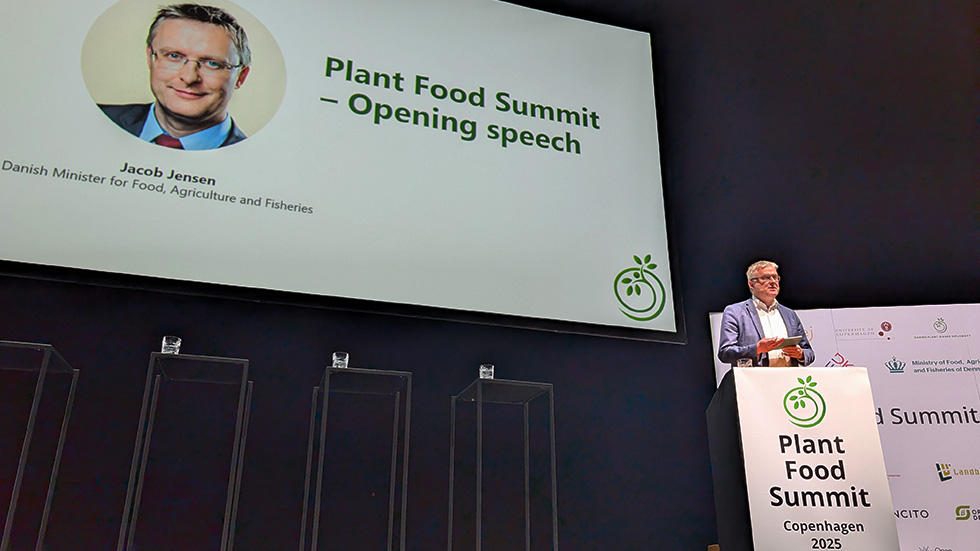
Last week, we joined stakeholders from all of Europe’s food system at the Plant Food Summit 2025 in Copenhagen to learn about Denmark’s remarkable journey toward a more plant-based future and food system transformation.
For decades, Denmark’s agricultural economy was built on animal food production, especially pork production. In fact, historically, Denmark’s pig population outnumbered humans more than two to one [1].
Now, Denmark is positioned as a European leader in plant-based development.
Denmark’s policy-driven transformation
They realized that if they wanted to reduce the environmental footprint and improve public health, they would all have to grow and eat more plant-based foods. The turning point came with their 2021 National Action Plan for Plant-Based Foods—the first of its kind globally—followed by the Green Deal 2024, which introduced a world-first livestock emissions tax, achieved by finding common ground between politicians, farmers, businesses, and environmental NGOs on the constructive focus of promoting more plant-based food.
Key priorities in the action plan include:
- Strengthening the plant-based sector, from production and processing to retail and exports.
- Investing over 170 million EUR by 2030 in research, innovation and organic-plant-based initiatives [2].
- Training chefs and school kitchens to prepare more plant-based meals and promote food education.
- Encouraging plant-rich diets, both in public and private sectors, for health and environmental benefits.
- Promoting exports and global collaboration, sharing their know-how, and supporting international plant-based growth.
Rather than framing the transition as “less animal-based,” Denmark reframed the national dialogue around “more plant-based”, a constructive, inclusive approach that’s now shaping national and EU-level discussions on food system transformation.
“If Denmark can do it – everyone can do it.”
Their plant-based action plant as well as their national dietary guidelines both explicitly reference the EAT-Lancet framework and The Planetary Health Diet as an inspiration for reducing animal product intake and increasing plant-based consumption for health and sustainability.
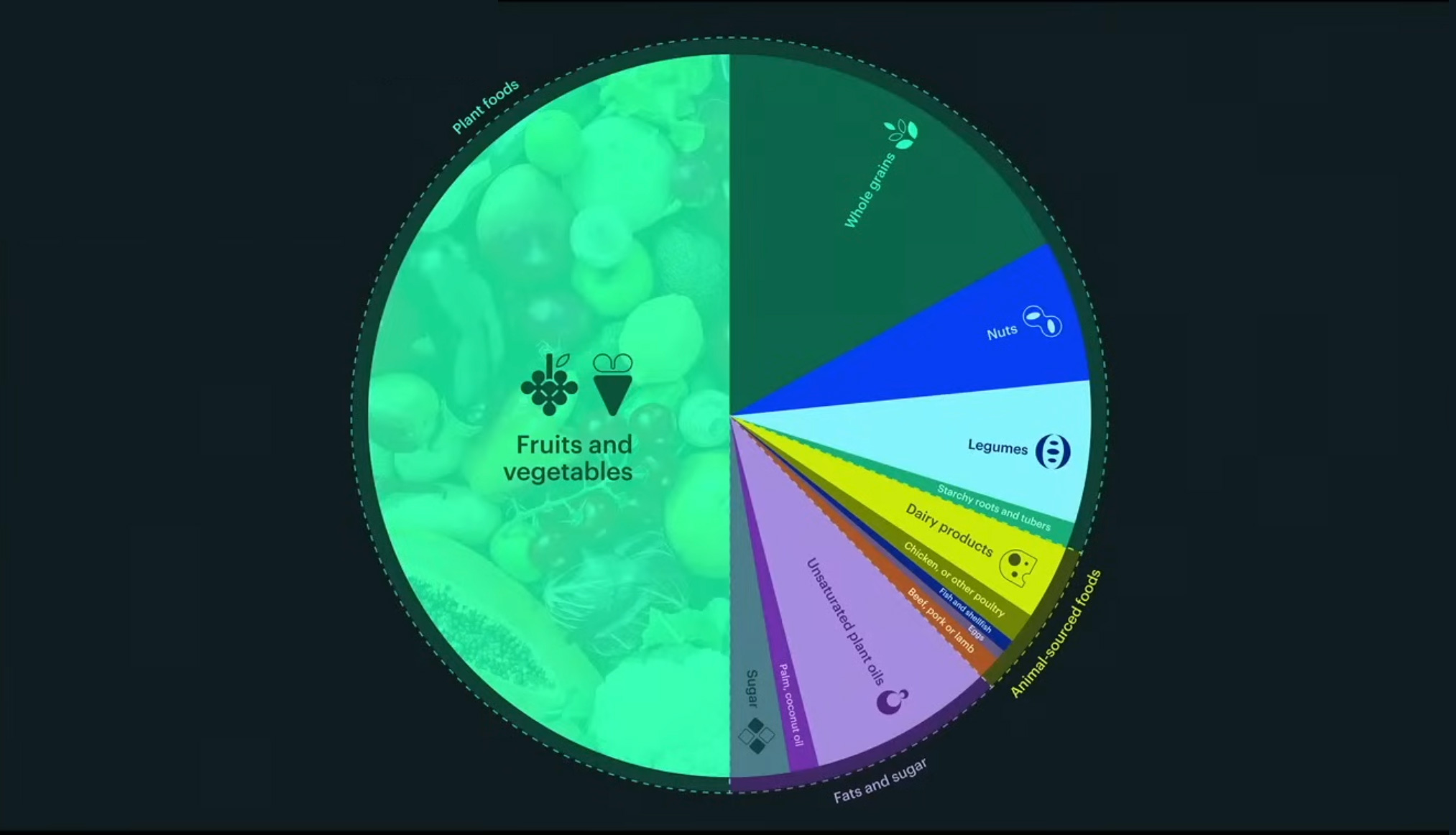
At the summit, they shared their experiences so far, showing how government leadership can turn ambition into action.
Through initiatives like Danish Plant-Based Diplomacy, the country supports peer-to-peer collaboration among EU member states, showing how focusing on “more plants” can benefit farmers, public health, food security, and climate at the same time. By finding common ground among farmers, environmental NGOs, businesses, and policymakers, Denmark has demonstrated that food system transformation works best when built on cooperation, not confrontation.
Change, built on collaboration
It was encouraging to see practical solutions emerging from every part of the food system, from farmers, cities, classrooms, chefs, scientists, retailers, entrepreneurs, industry, finance, consumers, civil society, and policymakers, supporting innovation across the value chain.
The energy in the room reflected a shared understanding: Europe already has the tools to transform its diet and food production. What’s needed now is speed, coordination, and commitment.
As several speakers reminded us, European diets remain far from sustainable or healthy, and the clock is ticking. The EAT-Lancet Commission has already shown that plant-rich diets can dramatically improve human and planetary health. Now it’s time for policy and practice to align.
Our role in this transformation
For us at LoginEKO, this summit was another confirmation that we’re moving in the right direction — building the tools and models needed for a plant-based, transparent, and sustainable food system.
Three themes stood out, and that’s exactly where we see our role in driving change:
- Legumes are at the heart of the transition.
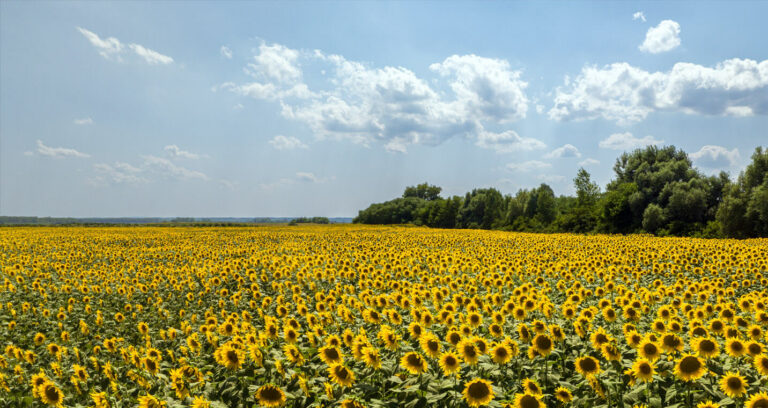
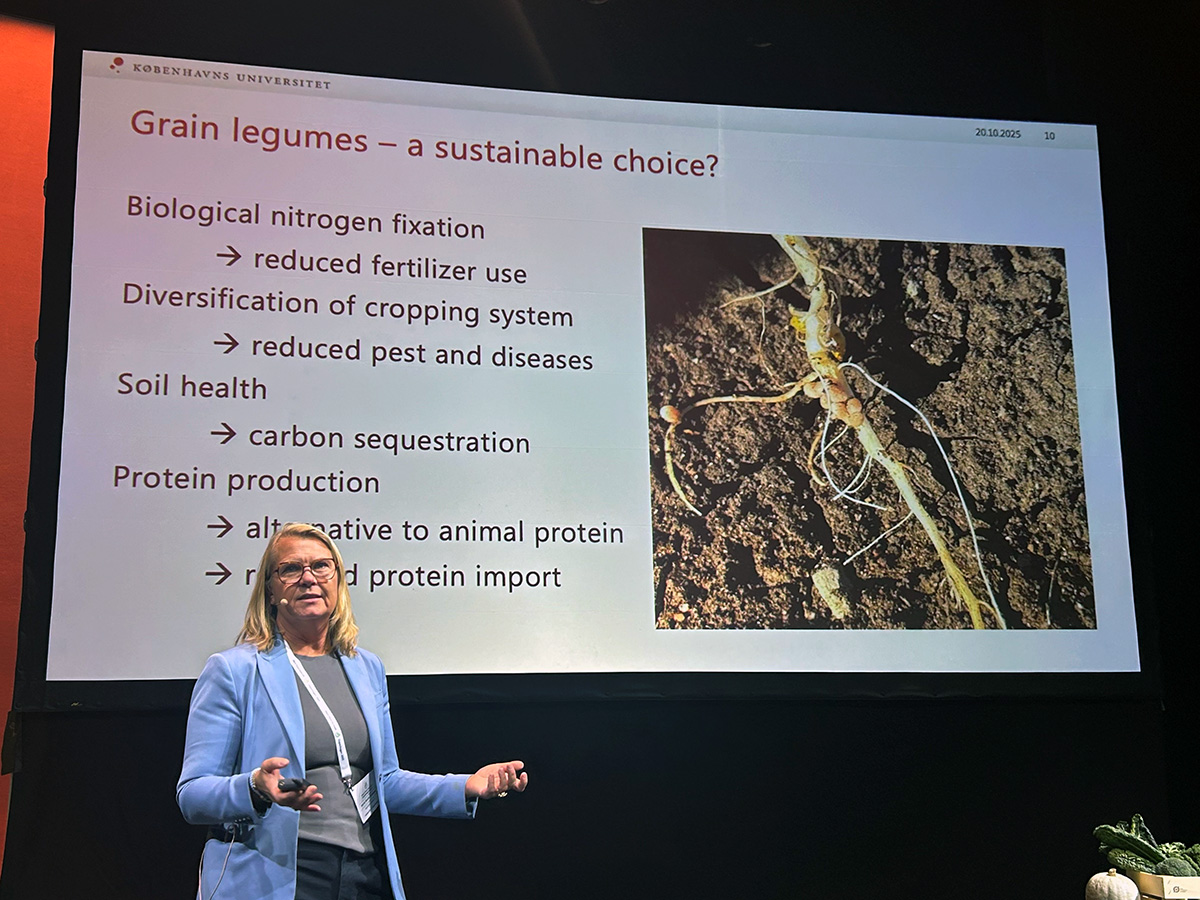
If there was one ingredient that kept coming up in every conversation at the summit, it was legumes. They took center stage as nutritions, versatile and climate-smart, capable of replacing animal protein and at the same time reducing the need for synthetic mineral fertilizers and manure
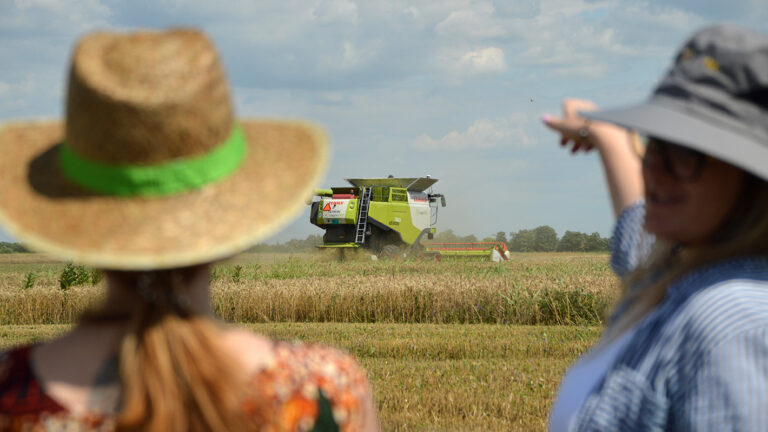
We’re proving every day that large-scale, livestock-free organic farming can thrive with legumes as the core of our organic farming model.
Our 5-year legume-based crop rotations make us completely self-sufficient in nitrogen, meaning no mineral fertilizers and no animal manure.
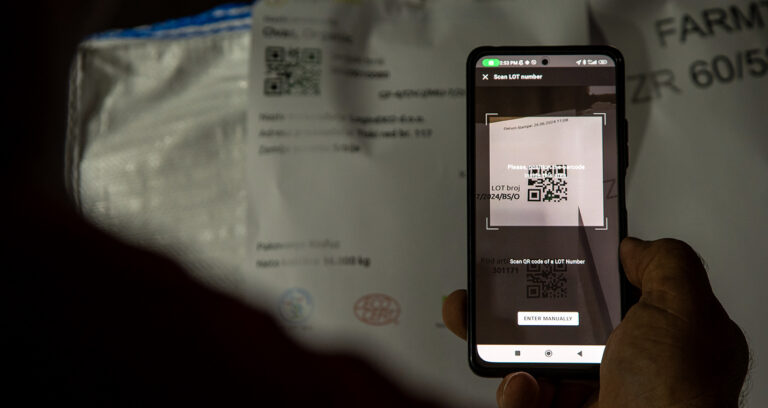
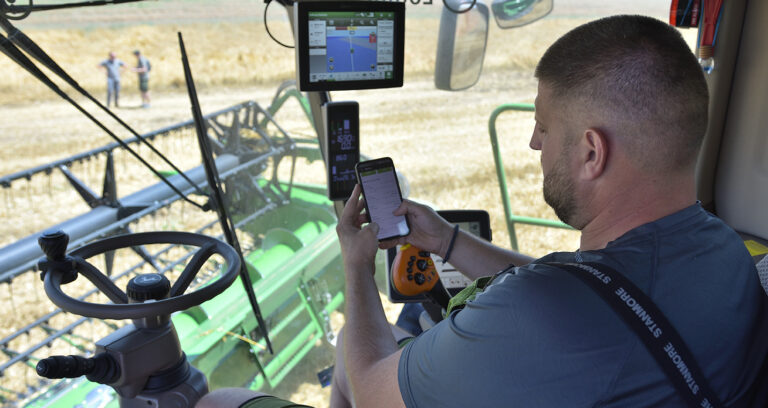
- The future of food is transparent.
That’s why we created The Origin, to make traceability open, practical, and accessible for everyone.
- Healthy, sustainable food also needs to be delicious and easy to enjoy.
That’s what we’re proving with Njamito, developing plant-based, organic food that’s nutritious, convenient, and traceable.
Denmark is proof that a plant-based transition isn’t just possible, it’s already underway. And with science, policy, and practice finally aligning, Europe has a chance to lead the way toward a truly sustainable food future.
Leaving Copenhagen, we felt encouraged and energised. Seeing so many people working toward the same vision, and excited about the solutions we’re building, reminded us that we’re on the right path.
Sources:
[1] Eurostat. (2018, March 1). Pigs hog the limelight. https://ec.europa.eu/eurostat/web/products-eurostat-news/-/edn-20180301-1
[2] Vegetarisk Forening af Danmark. (2023, April 10). Danish plant-based policy and grants – What have the Danes done? PlantDiplomacy. https://plantdiplomacy.eu/what-have-the-danes-done/