 Careers
 Poslovi
Combine Harvesters in Organic Farming: How We Harvest Efficiently at Scale
February 20, 2026A practical look at combine harvesters in organic farming—how we use Claas Lexion, John Deere, and Zürn machines across 3.250 hectares.
Read article
Winter flax offers a profitable, low-maintenance crop for organic farming. Discover how it works in Serbia’s unique conditions and why it’s been a game changer for our farm.
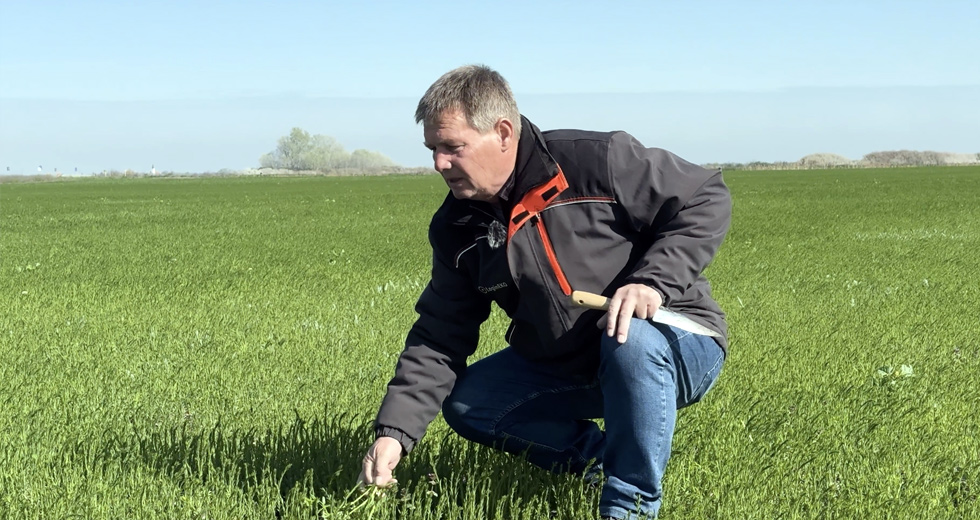
Winter flax might just be the most underrated crop in organic farming. It thrives with minimal intervention, yet offers impressive returns and supports a more sustainable farming model. At LoginEKO, we grow winter flax for its low-maintenance benefits and its role in enhancing our sustainable organic farming practices.
Dive into how we earn up to 2.000 € per hectare, with no interventions between sowing and harvest.
Winter flax is perfectly suited to the diverse conditions of Serbian soil.
It thrives in heavy clay soils that warm up slowly in the spring, giving it a head start over other crops that struggle with the climate’s unpredictable nature. Flax is hardy, adaptable, and doesn’t require much beyond a good sowing and harvesting.
The best part? Flax is nitrogen-efficient, taking only small amounts of nitrogen from the soil, which means it grows well after any crop, even following challenging ones like sunflowers, making it a great addition to our crop rotation strategy.
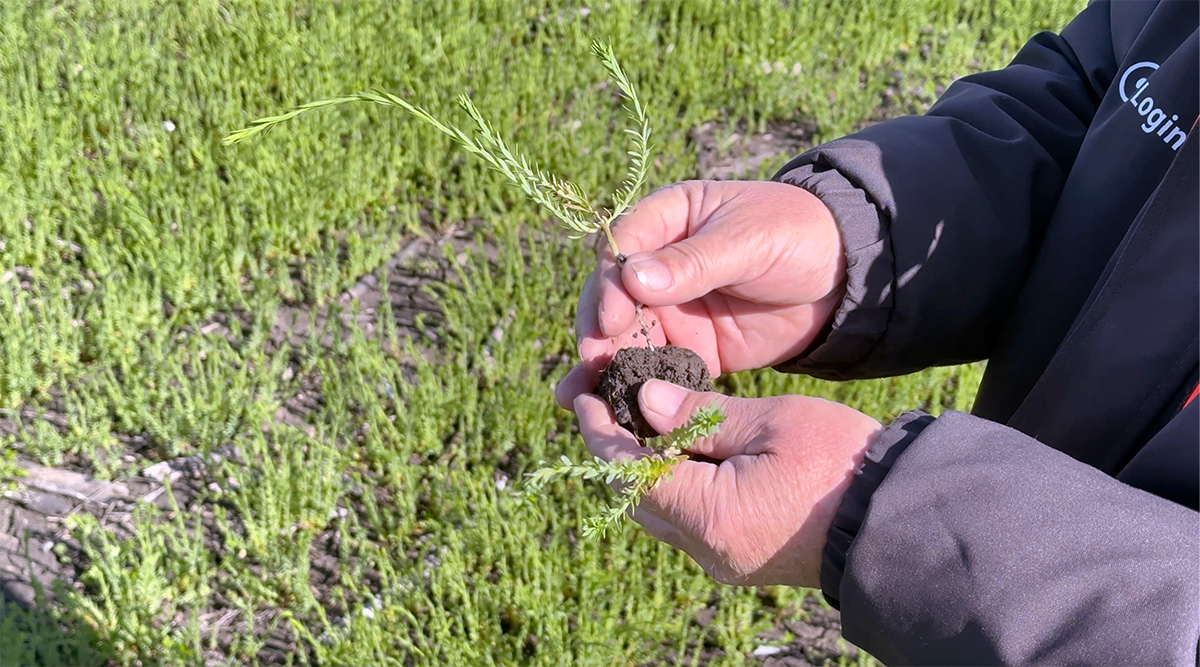
One of winter flax’s standout benefits is its ability to naturally suppress weeds.
This is particularly important in organic farming, where weed control is one of the biggest challenges. It establishes early growth that covers the field before weeds have a chance to take root. This early coverage prevents weeds from becoming a limiting factor, reducing competition for resources and ensuring that flax gets the best chance to grow without the need for synthetic pesticides or excessive intervention.

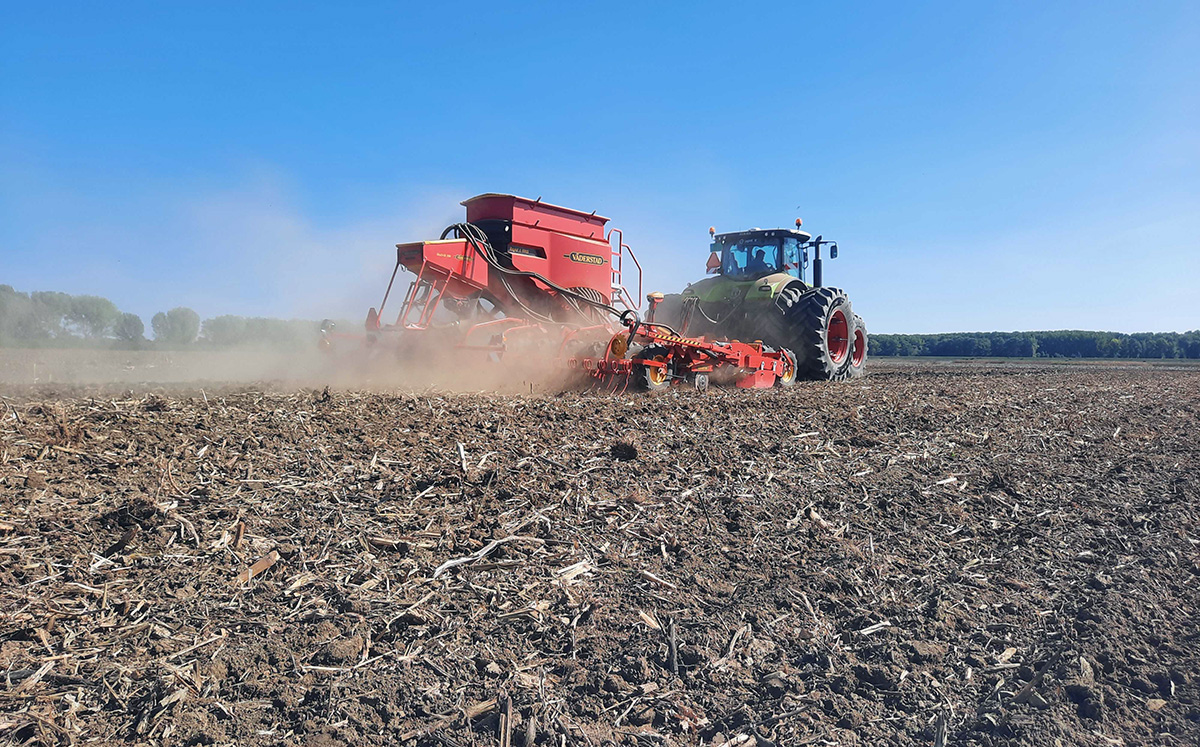
Timing is everything when it comes to flax farming. Getting the sowing right is crucial to ensure successful germination and a strong crop.
By sowing in late September, we set the flax up for optimal growth, avoiding frost damage in early winter and ensuring that the plants are strong enough to withstand low temperatures. Timing also helps us effectively control weeds—by giving flax a head start, it naturally outcompetes weeds, saving us time and effort when it comes to weed management. That’s why we insist on sowing on September 25th every year.
While growing methods and production costs may be similar for conventional and organic flax, the price difference is significant when you have the right organic certification.
Certifications like EU Organic, BioSuisse, and Naturland not only reflect our commitment to quality and sustainability, but open doors to premium markets. Organic flax is in high demand, and with certifications, we can achieve better prices. In 2024 we were able to sell our gluten-free flax for up to 1.300 € per ton. By adhering to strict standards and additionally offering in-depth traceability, we ensure we offer the highest quality flax.
Winter flax fits perfectly into our low-input, high-efficiency sustainable farming model and helps us maintain a resilient farming system without relying on synthetic chemicals or livestock.
Watch the video to discover the full story behind our winter flax production and the practices that make it such a vital part of our sustainable farming approach.



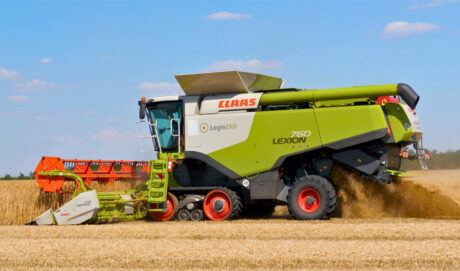

A practical look at combine harvesters in organic farming—how we use Claas Lexion, John Deere, and Zürn machines across 3.250 hectares.
Read article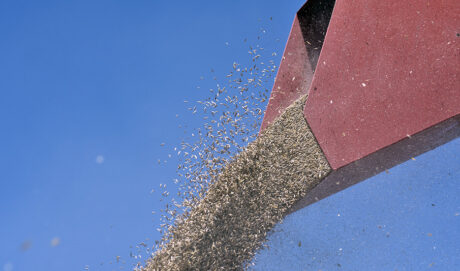
When designed as a system, organic farming can deliver stable yields and food-grade quality at scale. Our 2025 harvest results show what that looks like in practice.
Read article
A look back at 2025 at LoginEKO: large-scale organic farming results, plant-based nitrogen, open traceability, farming software, and food development.
Read article