 Careers
 Poslovi
2025 at LoginEKO: Building Large-Scale Organic Farming That Works
December 23, 2025A look back at 2025 at LoginEKO: large-scale organic farming results, plant-based nitrogen, open traceability, farming software, and food development.
Read article
At Wageningen University, we showed how livestock-free, large-scale organic farming works in practice, and why it’s key to food system transformation.
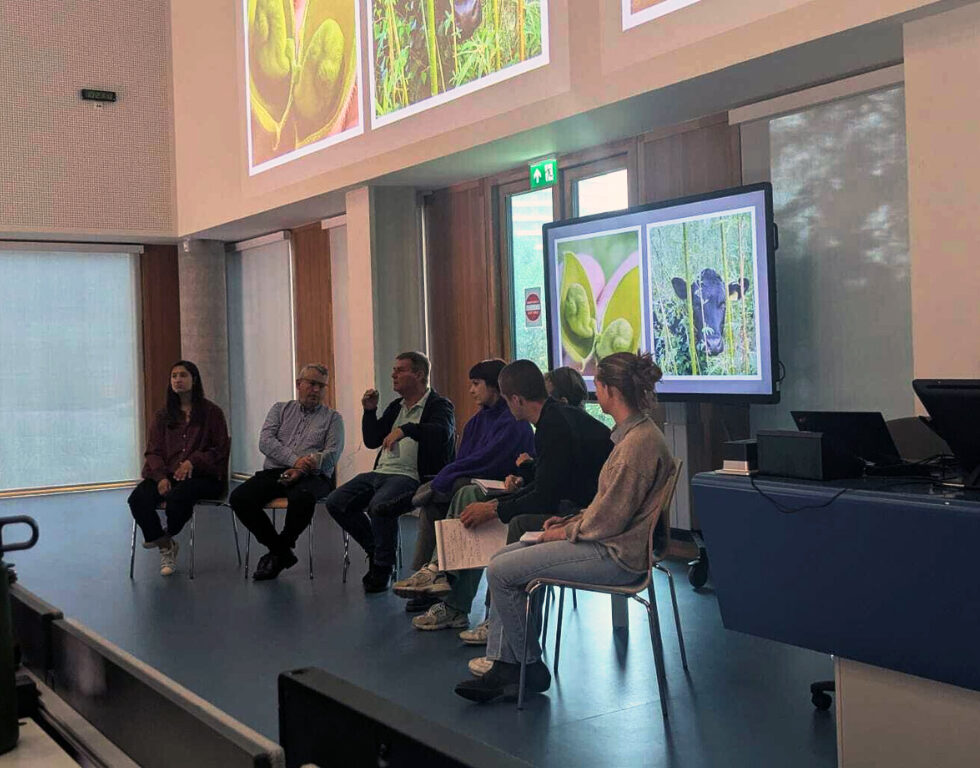
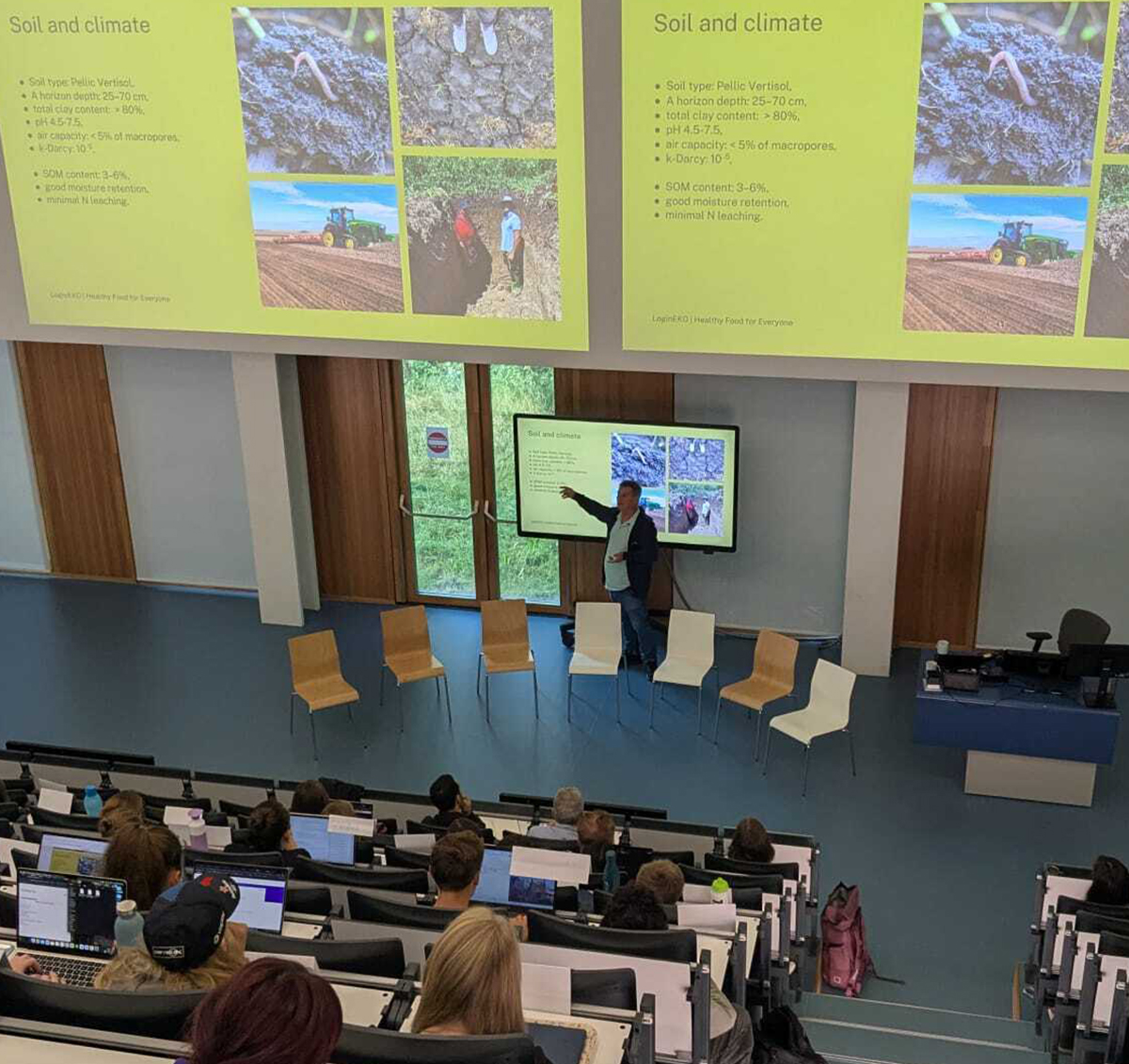
Yesterday, I had the privilege of presenting our work at Wageningen University & Research (WUR) in the Netherlands, a place that has been shaping the future of food and farming for decades and continues to attract some of the brightest young minds from around the world.
I was invited to share the story of LoginEKO with over 100 master’s students of the Farming Systems Ecology program, alongside ARCZero from Ireland, a fellow Lighthouse Farm, who presented their project uniting seven livestock farmers, each representing different animal production systems and carbon sequestration potentials.
“Before explaining how we farm, I wanted to start with why we farm this way.”
The challenges of today’s food system are clear: how can we feed a growing population, ensure a decent livelihood for farmers, protect the environment, and sustain a healthy diet for humanity?
It was encouraging to see these students asking the same questions, searching for solutions across different systems.
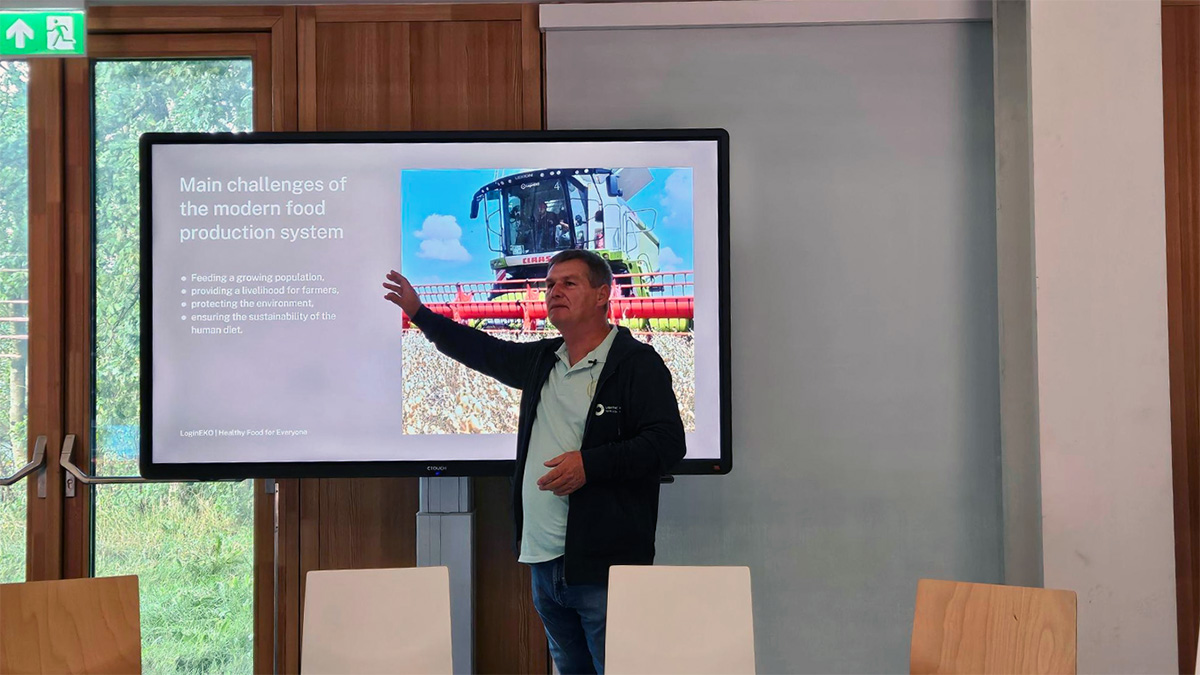
At LoginEKO, our answer to these challenges is to prove that large-scale, organic, livestock-free farming is possible and financially viable.
I was glad to present how we do it, not only through our farming software, food development, and traceability tools, but also through the backbone of our work: our sustainable farming model.
That model is built on:
We focused in particular on the role legumes, peas, chickpeas, fava beans, and clovers play in enriching the soil and fixing nitrogen, and how they make livestock-free farming viable at scale.
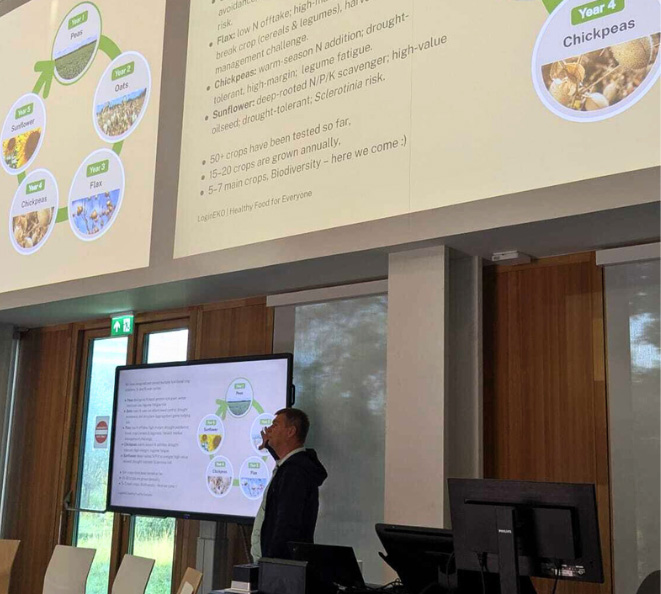
What made this session truly valuable was the lively discussion that followed. Together with ARCZero, the students compared our livestock-free, legume-based model with their livestock-based system, and challenged us with questions about scalability, profitability, and sustainability.
Could our model work for small family farms? Does technology risk replacing traditional communities and jobs? How can these ideas scale to transform entire food systems? What obstacles had we faced along the way, and what would we do differently if we started again?
These questions made the discussion as valuable for me as I hope the lecture was for them.
It was especially meaningful to talk about how even small improvements in the sustainability of staple crops can create a big environmental impact, given that cereals alone cover 35% of EU arable land. And while our solutions are designed for large-scale farming, many of them, especially around crop rotation, legumes, weed control, and seed production, are just as relevant for smaller commercial family farms, which remain vital not only for food but also for cultural heritage.
I left WUR with a lot of hope. With the students’ curiosity, openness, and willingness to challenge assumptions as they prepare to build the food systems we urgently need, I believe the future of farming is in very good hands.

A look back at 2025 at LoginEKO: large-scale organic farming results, plant-based nitrogen, open traceability, farming software, and food development.
Read article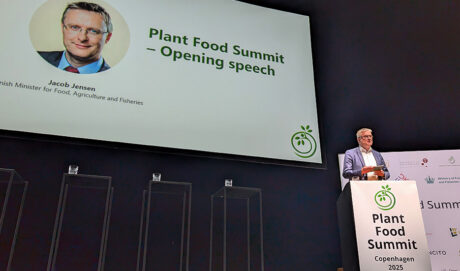
The Plant Food Summit 2025 brought together Europe’s food system leaders to discuss how plant-based innovation can drive a healthier, more resilient, and future-proof food system. Here’s how they’re turning ambition into action.
Read article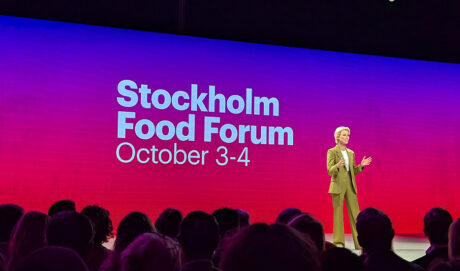
The updated EAT-Lancet report calls for urgent transformation of the global food system. Here’s what we learned at the launch and how our work supports this change.
Read article