 Careers
 Poslovi
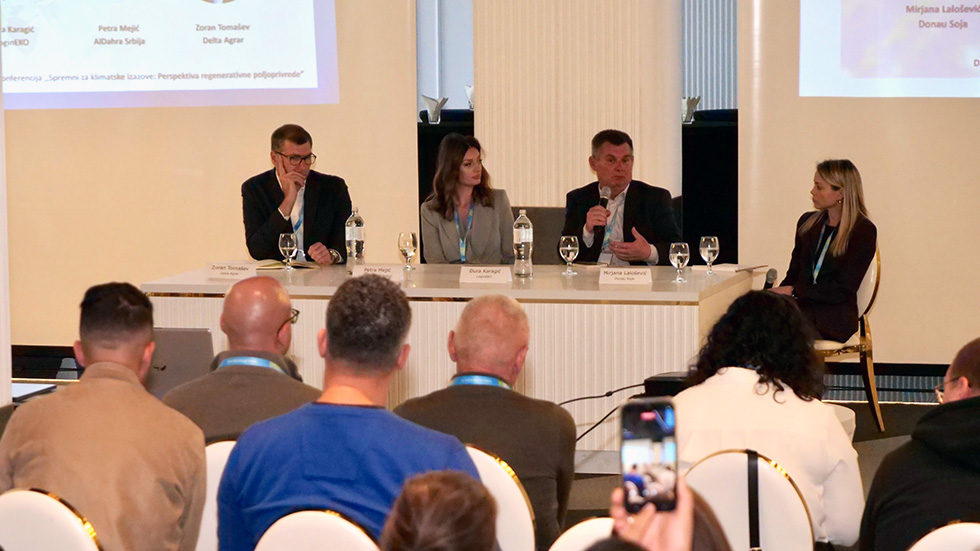
More than 120 agronomists, farmers, and scientists from across the region gathered last week in Novi Sad for a discussion on how agriculture can adapt to a changing climate. The event, organized by Donau Soja Serbia in cooperation with EIT Food, focused on the importance of introducing regenerative practices to strengthen the sustainability of production systems in the Western Balkans.
For us, it was a valuable opportunity to share our experience and exchange ideas with others who are rethinking food system sustainability.
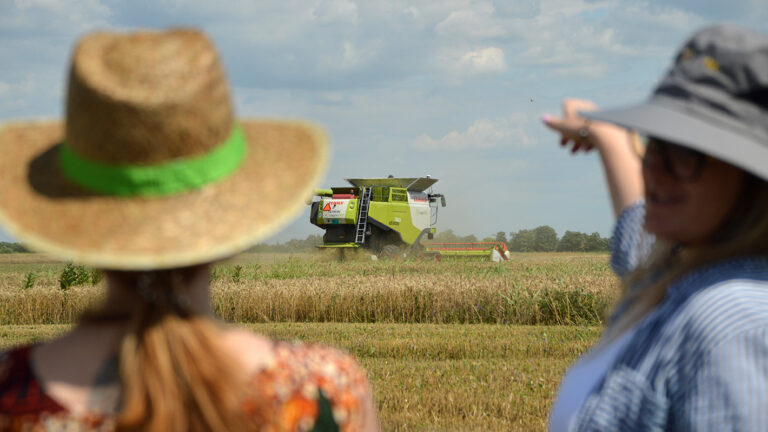
We presented the core elements of our sustainable, organic, and livestock-free farming model, which puts soil health and long-term productivity at the center.
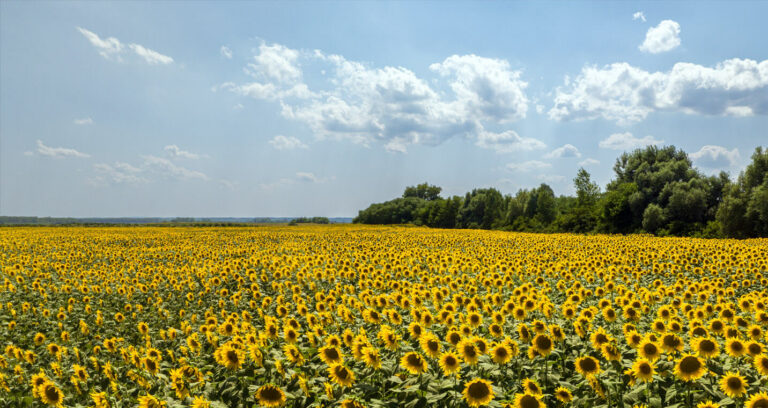
Our approach integrates climate-smart crops like chickpeas and sorghum into a five-year, legume-based crop rotation, maintains the 70:30 winter-to-spring crop ratio, and returns all harvest residues back to the soil.
Together, these practices help us meet nitrogen needs naturally, without synthetic fertilizers or manure, while maintaining soil structure, biodiversity, and fertility. They also help reduce the risks of drought and erosion, challenges that are becoming increasingly common in semi-arid regions like ours.
Our goal is to prove that organic, livestock-free production can be both scalable and effective, keeping the soil alive and resilient for future harvests.
One of the highlights of the program was the presentation by Prof. Dr. Ana Vuković Vimić from the University of Belgrade, Faculty of Agriculture, who shared a powerful lecture on climate change in Serbia and presented a decision-making matrix for adaptation. Her presentation echoed many of the principles we already apply in our system, from crop diversification and legume rotations to the integration of climate-resilient species.
The conference was a unique space where science and field experience met, and it showed that when research and practice work hand in hand, progress comes faster.
Many of the audience’s questions reflected real challenges that farmers face every day, from our decision to exclude soybeans and corn, Serbia’s two most common crops, to our soil management approach. While our system is primarily based on conservation tillage, we still plow once every five years, to prevent disease.
What became clear through this discussion is that there’s still a lot of misunderstanding about what regenerative agriculture actually means. As I emphasized during the panel:
“Regeneration is not about rejecting every traditional practice. It’s about understanding how each one affects the soil and using data to make smarter choices.”
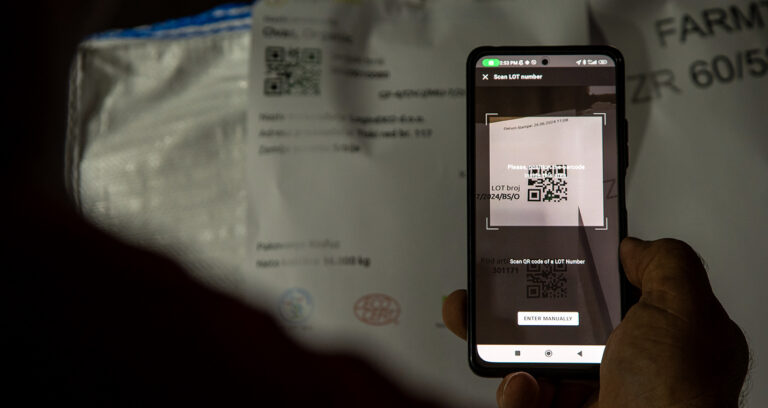
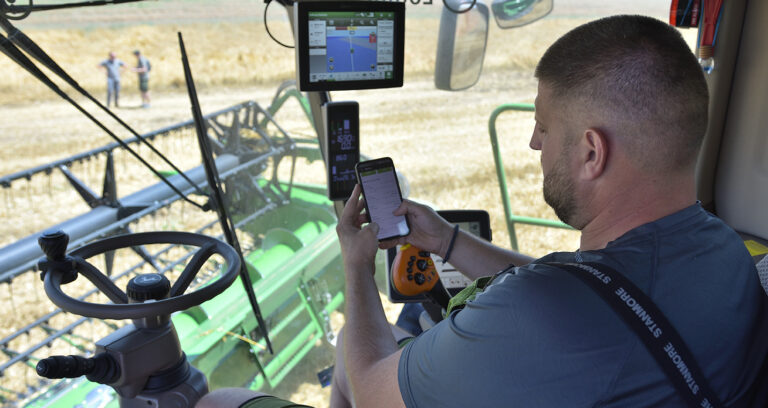
This is where our Farming Software plays an essential role. It supports data-driven decisions, helping us track inputs, measure field performance, and make informed adjustments season after season.
We’re grateful to Donau Soja Serbia for bringing together such a meaningful and forward-looking discussion on how our region can adapt to the environmental challenges we’re facing.
As a community, we’re learning that the path to sustainability lies in both innovation and collaboration, and that the future of farming will be built on living soil, data-driven decisions, and shared purpose.