 Careers
 Poslovi
Combine Harvesters in Organic Farming: How We Harvest Efficiently at Scale
February 20, 2026A practical look at combine harvesters in organic farming—how we use Claas Lexion, John Deere, and Zürn machines across 3.250 hectares.
Read article

Ahead of this year’s flax harvest, we tackled late-stage weeds with the Top Cut Collect. Learn how we cleaned up the field and why it was worth it.
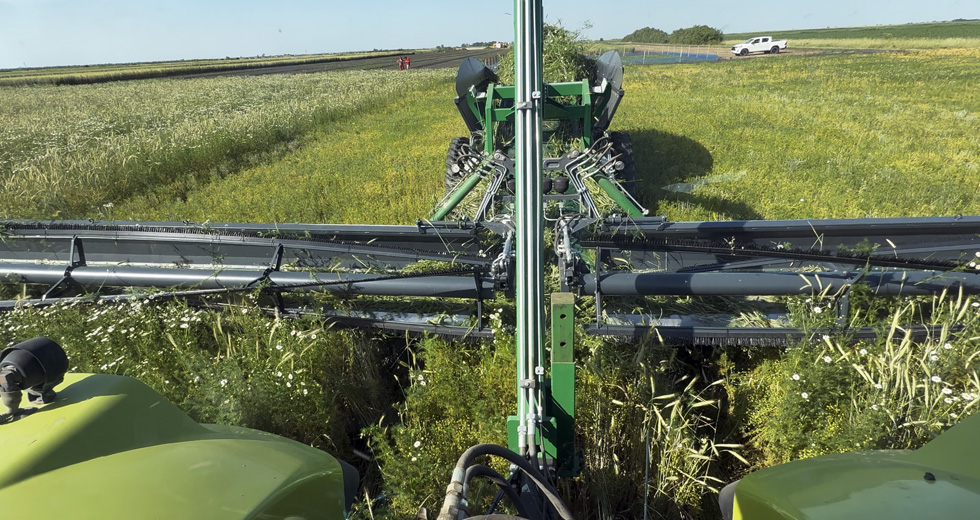
Our winter flax harvest is already underway. But before the first combine went into the field, we had one important job left: topping the weeds.
Unlike other grains, flax isn’t great at outcompeting weeds. That’s why we keep a close eye on late-stage weed pressure. This year, weed growth meant we had to step in, and the Zürn Top Cut Collect machine was the right tool for the job.
Watch the full video to see why and how we use it.
We don’t always perform weed control on flax. But in some fields, high weed pressure from chamomile, mustard, volunteer oats, and even some wild rye made it necessary.
Here’s why:
protects the value of a high-priced crop like organic, gluten-free flax.
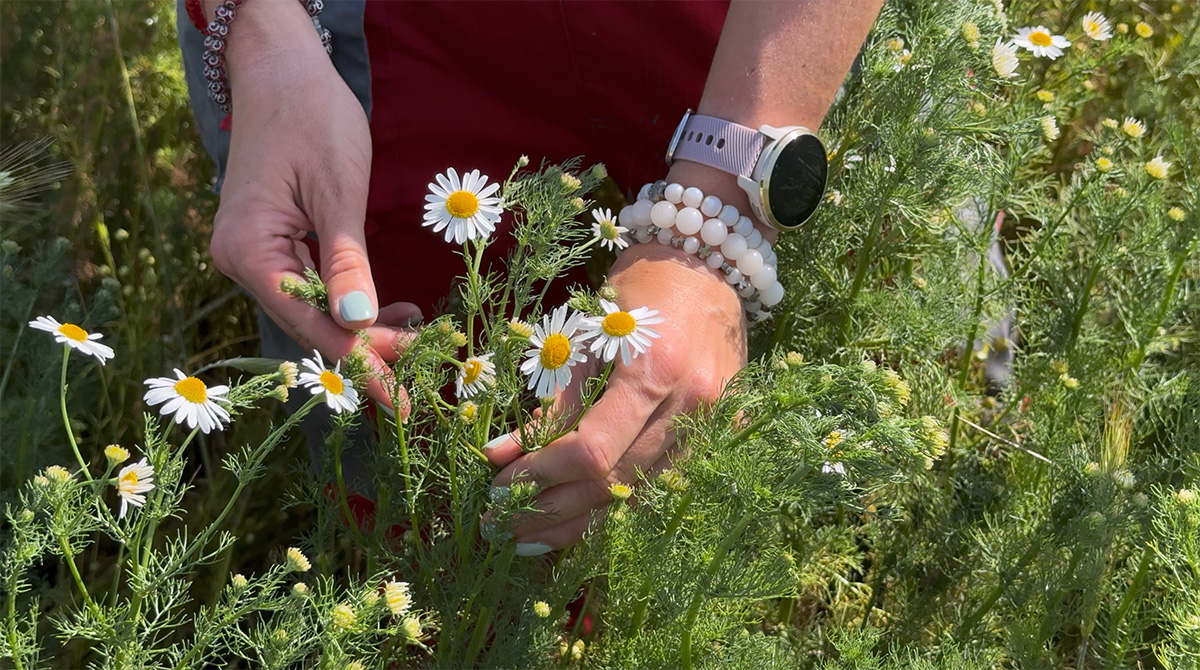
We harvest flax when it’s dry and mature, but if moisture-loving weeds like chamomile are still green, they can cause problems during harvest.
The Top Cut Collect is a 12-meter-wide, towed implement designed to top weeds above the crop canopy. Here’s how we set it up:
Each segment can be independently controlled, giving us better results on uneven terrain. But that terrain also presents one of the main challenges: maintaining consistent height to avoid accidentally cutting the crop.
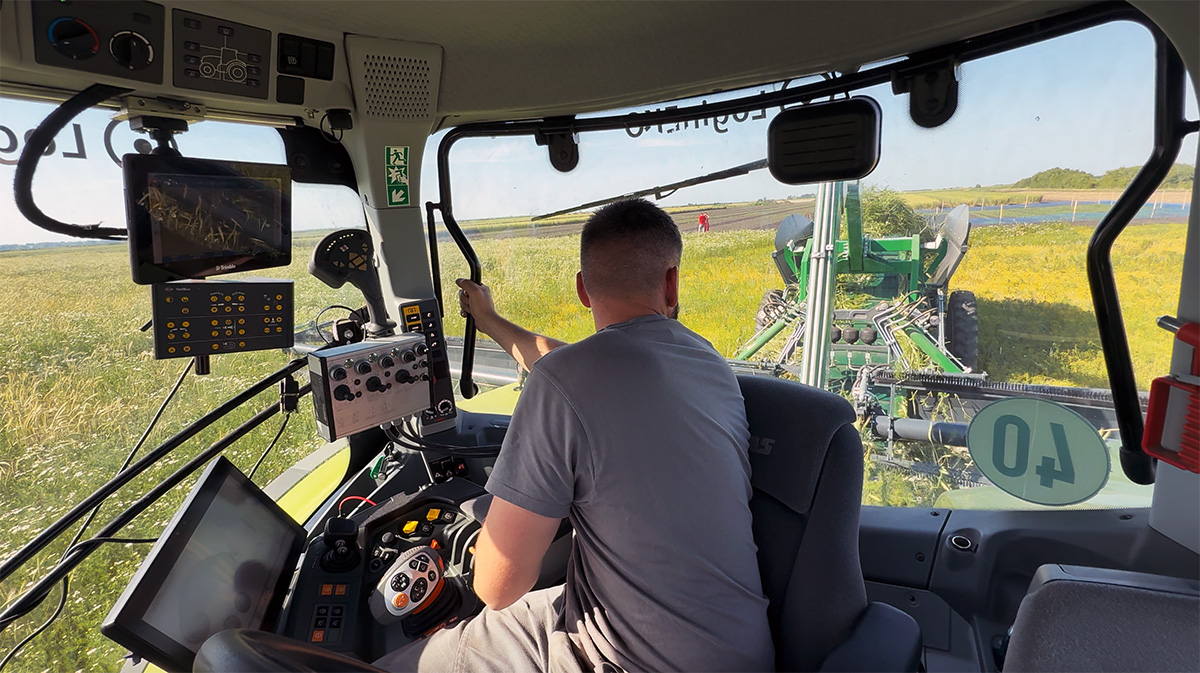
If weed pressure is too high, the holding bunker fills up quickly — meaning more frequent stops to unload.
Nothing goes to waste. After topping, we collect the weeds and store them in compost piles. Once decomposed, they’ll return to the field as nutrient-rich organic fertilizer.
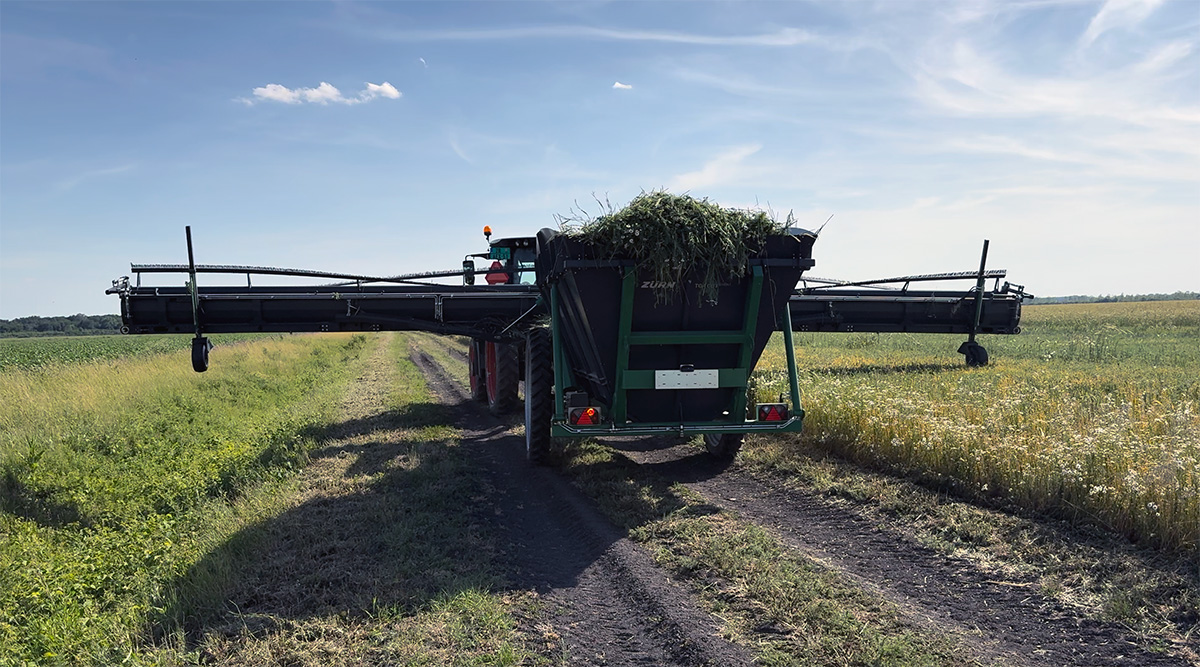
We didn’t top weeds in all the flax fields. Some had low pressure or only a few scattered weeds that posed no risk at harvest. The decision is always made based on:
In one field, volunteer oats were the issue due to leftover seeds from a previous crop. In another, it was a mix of several weed species that made topping necessary.
Organic farming is about observation and adaptation. That’s what this operation was all about.

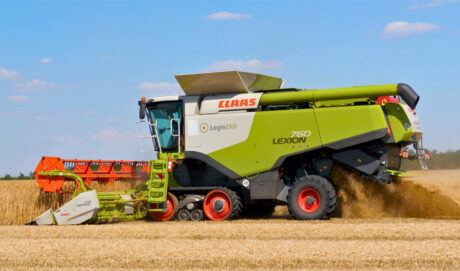

A practical look at combine harvesters in organic farming—how we use Claas Lexion, John Deere, and Zürn machines across 3.250 hectares.
Read article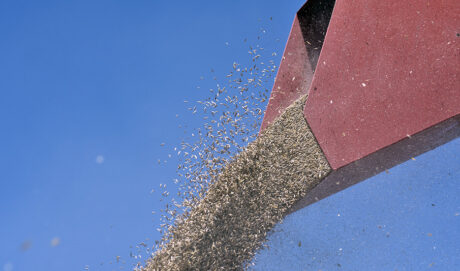
When designed as a system, organic farming can deliver stable yields and food-grade quality at scale. Our 2025 harvest results show what that looks like in practice.
Read article
A look back at 2025 at LoginEKO: large-scale organic farming results, plant-based nitrogen, open traceability, farming software, and food development.
Read article