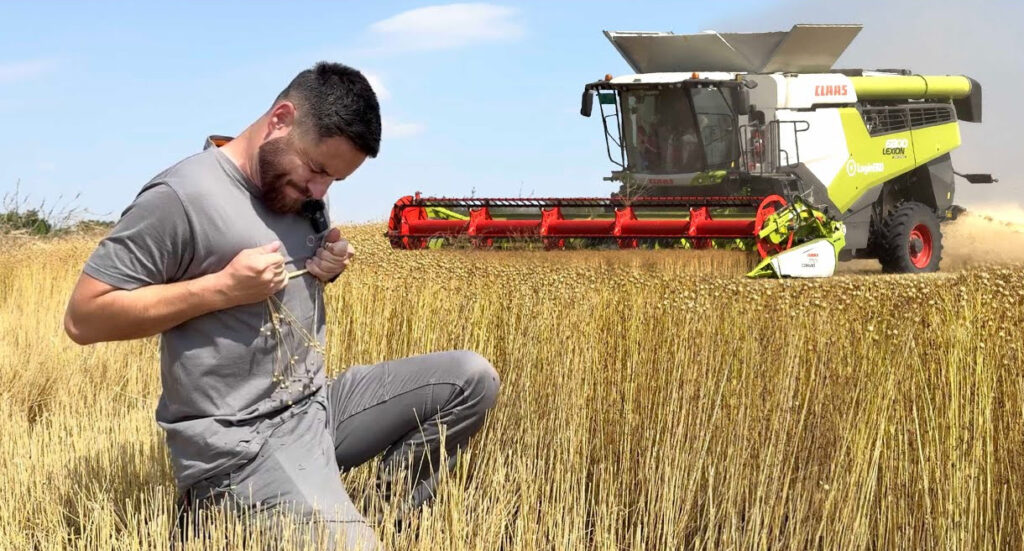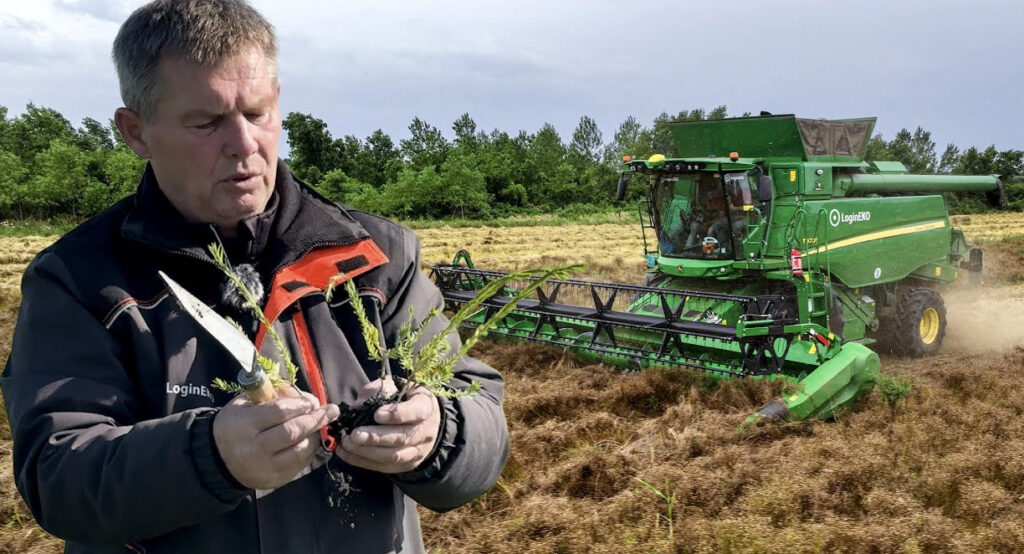

Select a crop below to see its natural yield, field context, and key quality parameters.

Crop
Harvested area [ha]
Harvested quantity [t]
Natural yield [t/ha]
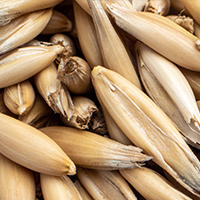
Oats

Harvested area [ha] 850
Harvested quantity [t] 3.626
Natural yield [t/ha] 4,3
Sunflower

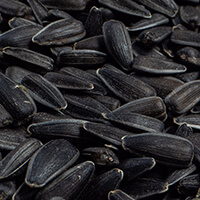
Harvested area [ha] 915
Harvested quantity [t] 1.925
Natural yield [t/ha] 2,1
Peas

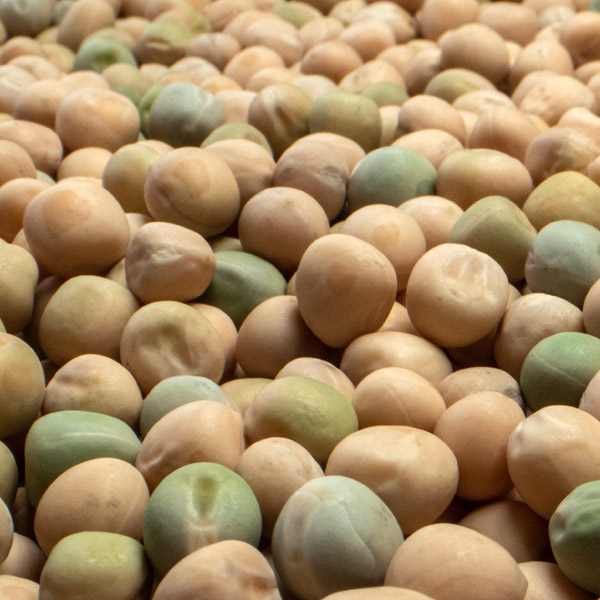
Harvested area [ha] 631
Harvested quantity [t] 1.639
Natural yield [t/ha] 2,6
Wheat*

Harvested area [ha] 243
Harvested quantity [t] 1.281
Natural yield [t/ha] 5,3
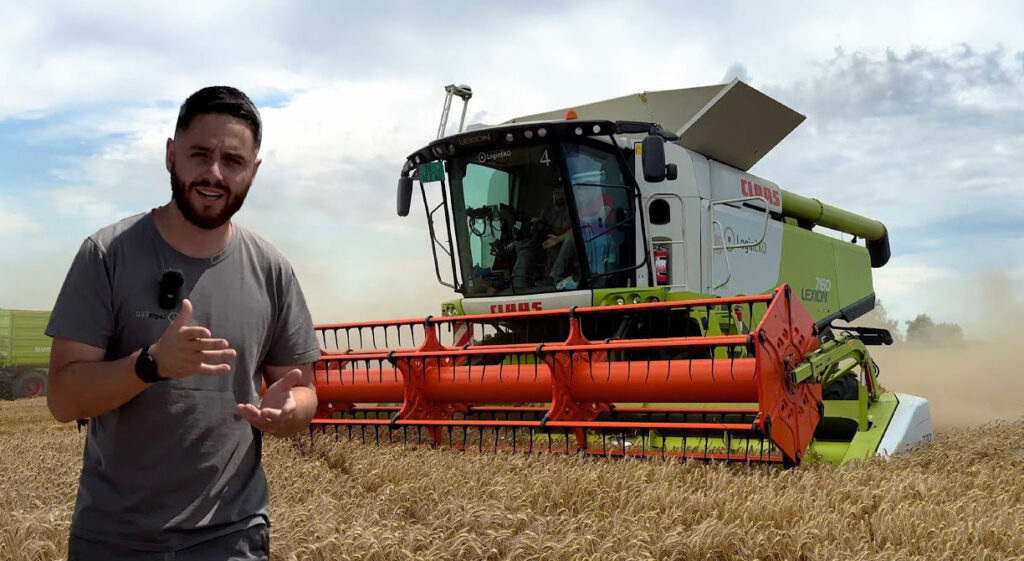
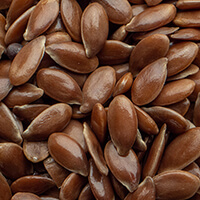
Flax

Harvested area [ha] 145
Harvested quantity [t] 272
Natural yield [t/ha] 1,9
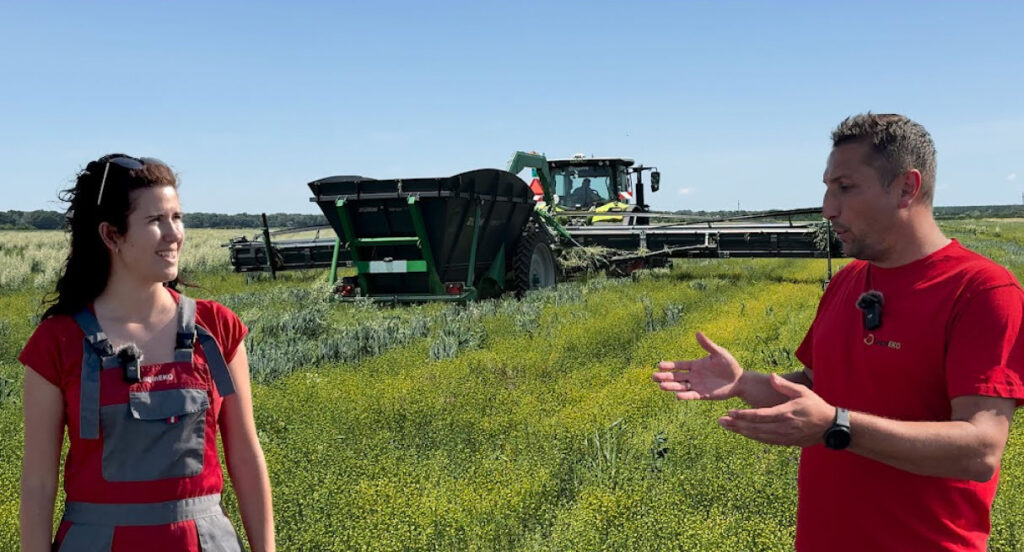
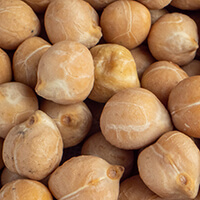
Chickpeas

Harvested area [ha] 176
Harvested quantity [t] 212
Natural yield [t/ha] 1,2
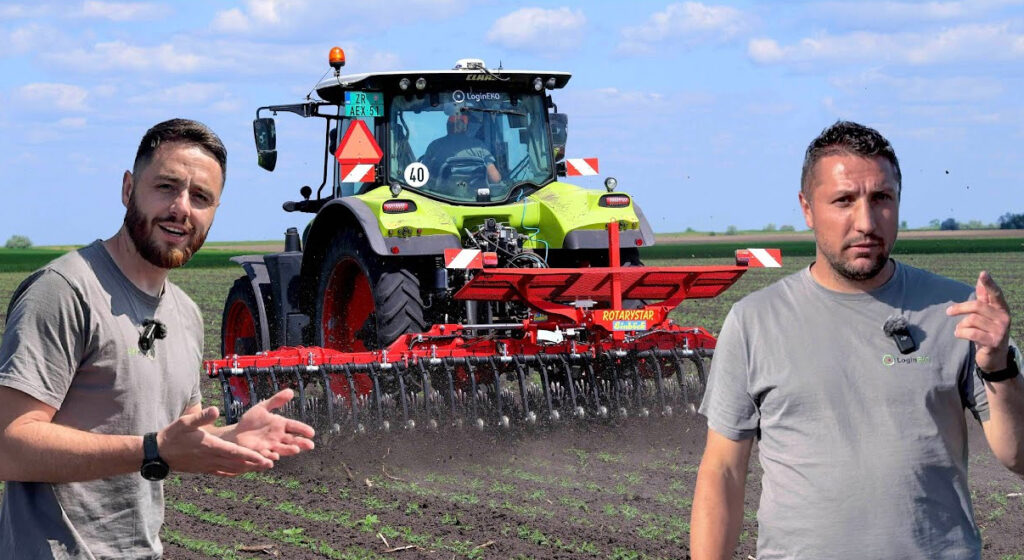
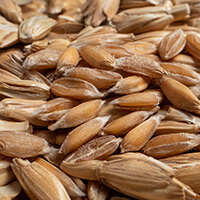
Spelt

Harvested area [ha] 93
Harvested quantity [t] 175
Natural yield [t/ha] 1,9
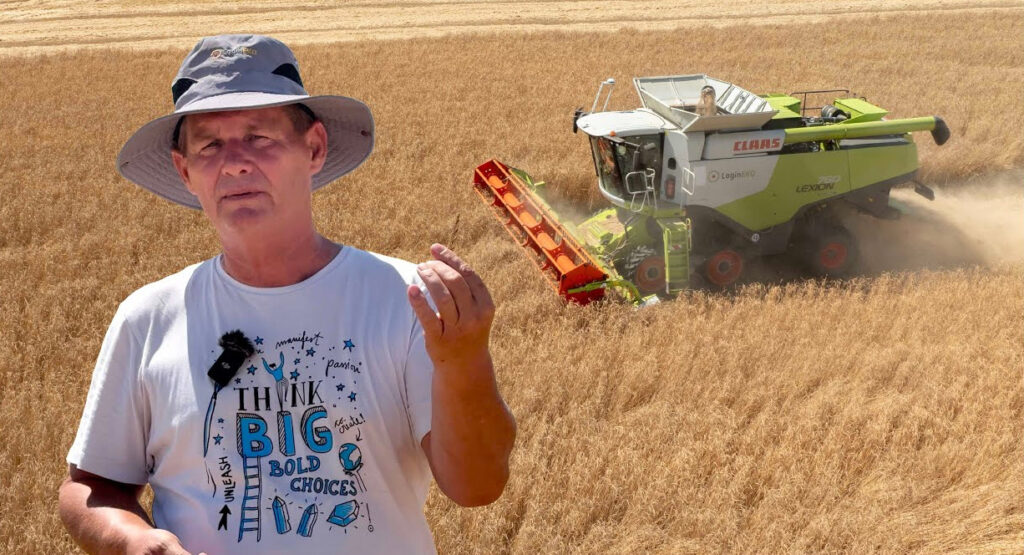
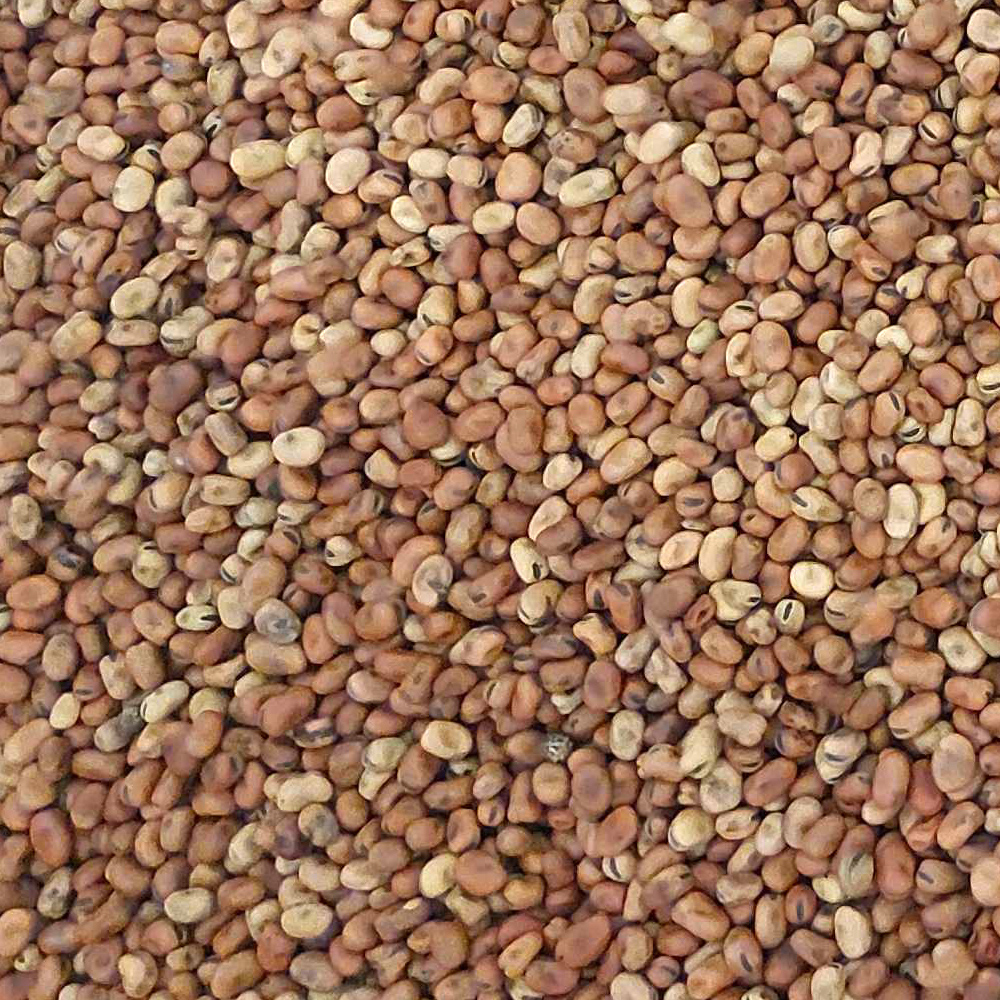
Broad bean

Harvested area [ha] 10
Harvested quantity [t] 16
Natural yield [t/ha] 1,5

Wheat - in conversion & risk zones*

Harvested area [ha] 161
Harvested quantity [t] 694
Natural yield [t/ha] 4,3
*All crops in this table are grown organically. Wheat is shown separately to highlight yield differences between certified organic fields and fields in conversion or risk zones, where the harvest is sold without organic certification.
Crop
Harvested area [ha]
Harvested quantity [t]
Natural yield [t/ha]

Wheat*

Harvested area [ha] 517
Harvested quantity [t] 3.002
Natural yield [t/ha] 5,8

Sunflower

Harvested area [ha] 934
Harvested quantity [t] 2.110
Natural yield [t/ha] 2,3
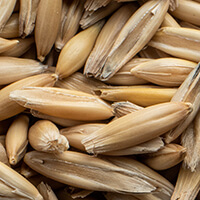
Oats

Harvested area [ha] 195
Harvested quantity [t] 848
Natural yield [t/ha] 4.3

Spelt

Harvested area [ha] 186
Harvested quantity [t] 440
Natural yield [t/ha] 2,4
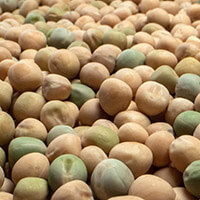
Peas

Harvested area [ha] 197
Harvested quantity [t] 391
Natural yield [t/ha] 2,0

Chickpeas

Harvested area [ha] 83
Harvested quantity [t] 122
Natural yield [t/ha] 1,5

Flax

Harvested area [ha] 72
Harvested quantity [t] 104
Natural yield [t/ha] 1,4
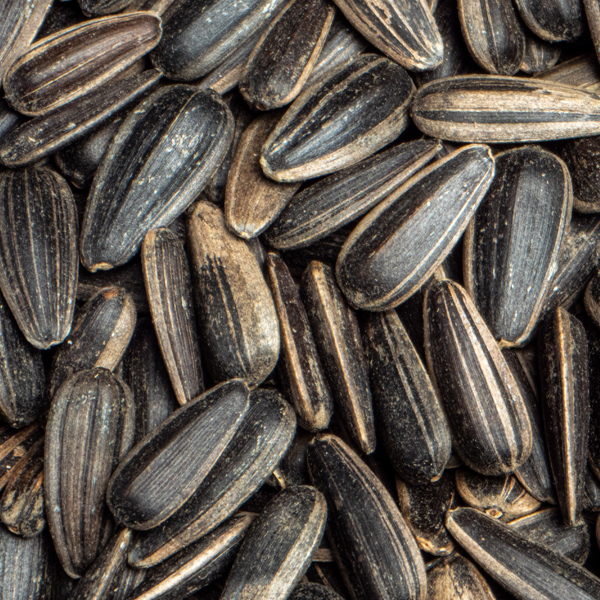
Sunflower (confection)

Harvested area [ha] 30
Harvested quantity [t] 78
Natural yield [t/ha] 2,6

Wheat - in conversion & risk zones*

Harvested area [ha] 18
Harvested quantity [t] 71
Natural yield [t/ha] 3.9
*All crops in this table are grown organically. Wheat is shown separately to highlight yield differences between certified organic fields and fields in conversion or risk zones, where the harvest is sold without organic certification.

How we measure yields

In agriculture, yield refers to the amount of a crop harvested per hectare of land. It’s usually expressed in kilograms or tons per hectare (t/ha) and is one of the key indicators farmers use to evaluate a crop’s performance.

Most farmers work with natural yield.
In conventional, chemical farming, impurities are often low due to pesticide use. In organic systems, they are generally expected to be higher—but our results show they don’t have to be.

Large-Scale Organic Farming Yields

These myths hold organic farming back

Large-Scale Organic Farming Yields

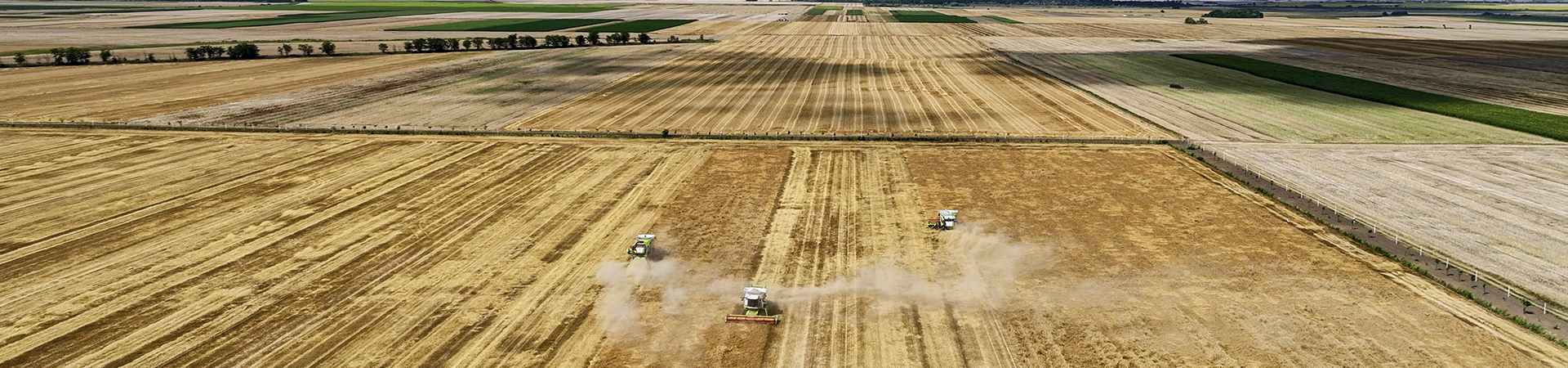
Many of the doubts around organic farming come from applying small-scale organic logic to large-scale systems.

What works on a few hectares doesn’t automatically work on a few thousand.

That’s exactly what we want to clarify by sharing our results.

1

“Organic farming can’t scale.”

This belief comes from imagining large farms working the same way as small ones.

On small farms, manure is often the backbone of fertility. It works because distances are short and logistics are manageable. At scale, that model breaks down—transporting and applying manure across thousands of hectares simply isn’t cost-effective.

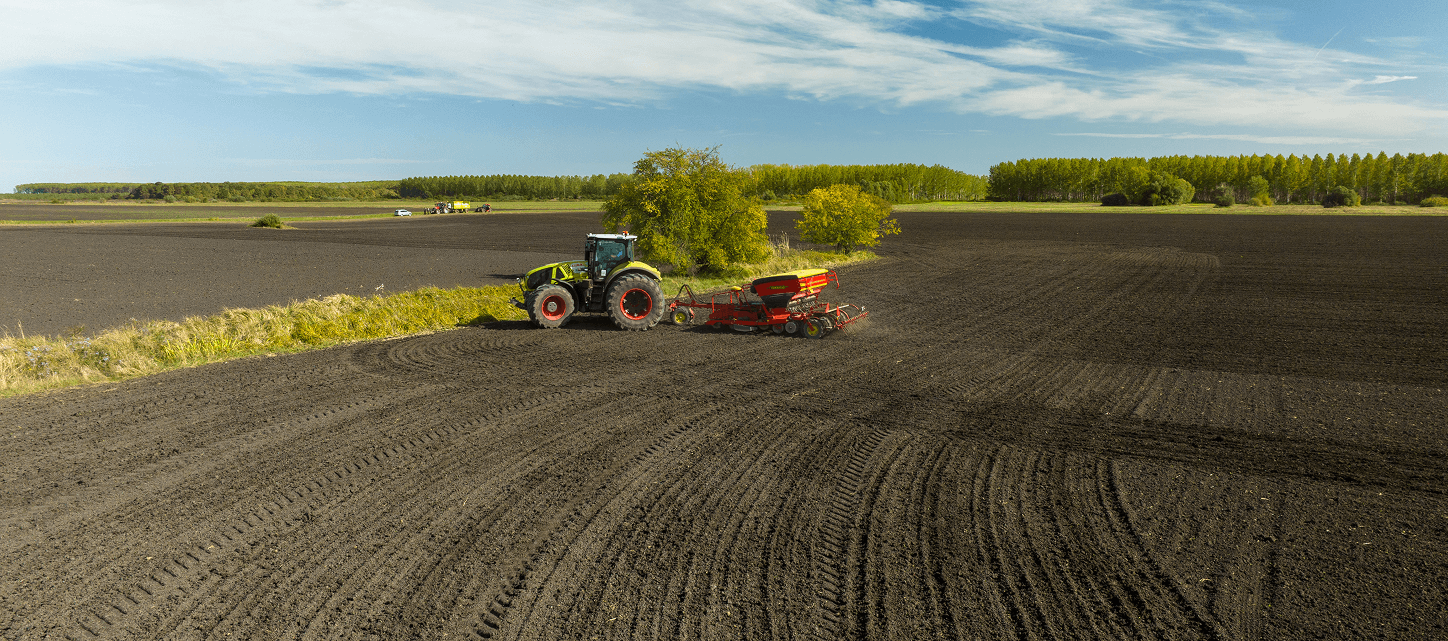
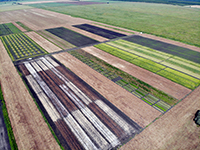
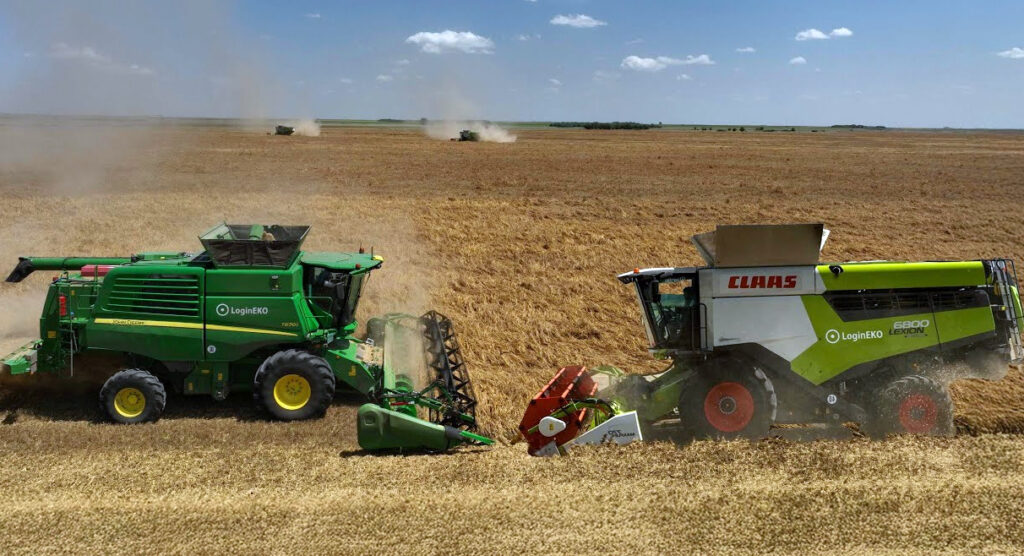
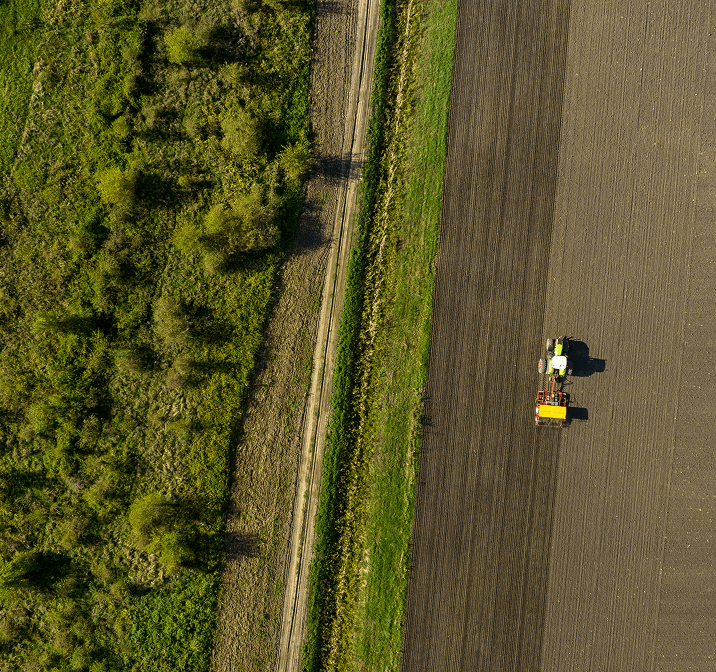
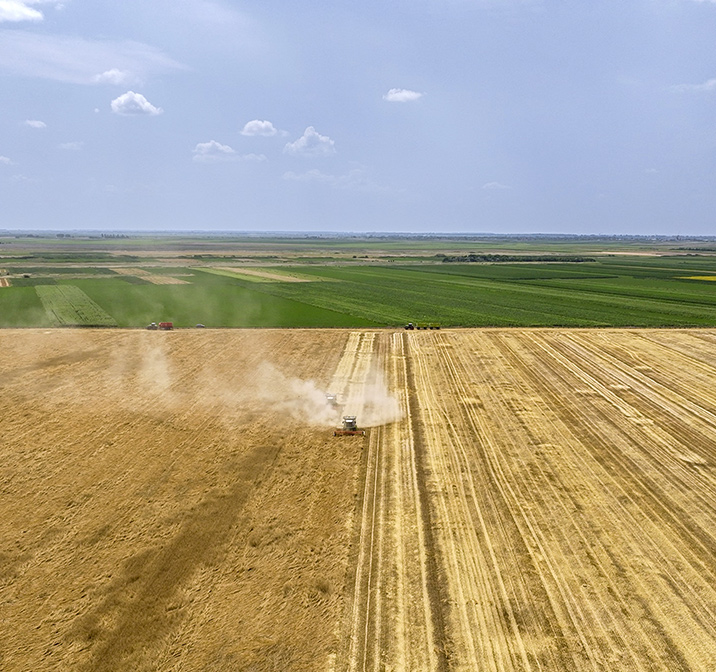
By sharing results from 3.250 ha, we want to show what large-scale organic, livestock-free farming, powered by free plant-based nitrogen, looks like.

2

“Organic farming is labour-intensive, and weeds make it unmanageable."

Organic farming is often associated with high labour demand, mainly because of weed control. Our model shows a different picture.

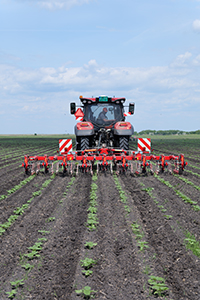
Across most of our crops, we had no operations between sowing and harvest, while in some, we had a few weed-control operations. That’s not because weeds don’t exist, but because our crop rotations are planned to suppress them.

By sharing both harvest data and the number of operations, we want to show that organic doesn’t have to mean more work.

3

“Only chemical farming can be profitable.”

Yield alone doesn’t determine success. When growing food for human consumption, market value is shaped by quality parameters, impurities, and certification, while yield also depends on variety choice, climate, and seasonal conditions.

Our focus is not on chasing maximum tonnage, but achieving the best price per crop.

By publishing these metrics, along with quality parameters, we aim to give farmers a complete picture, not just the yield number.

Yield and crop quality

Yields tell us how much we harvested, but they don’t tell the whole story.

For food-grade crops, quality parameters are the main factor that determines the final price.

Together with the number of operations, this gives a complete, realistic picture of how each crop performed under large-scale organic production.

Large-Scale Organic Farming Yields
HOW WE FARM

Our agroecological context is demanding

To understand our results, it’s important to understand where and under what conditions we farm.

CLIMATE

Continental climate with four distinct seasons

Average annual rainfall
  • 550 mm (long-term average)
  • 431 mm (2021–2025)
Rainfall distribution
  • uneven season distribution with dry summers (long-term average)
  • increasingly unfavorable with summer droughts (2021–2025)
Mean annual air temperature
  • 11 °C (long-term average)
  • 13 °C (2021–2025)
Learn More

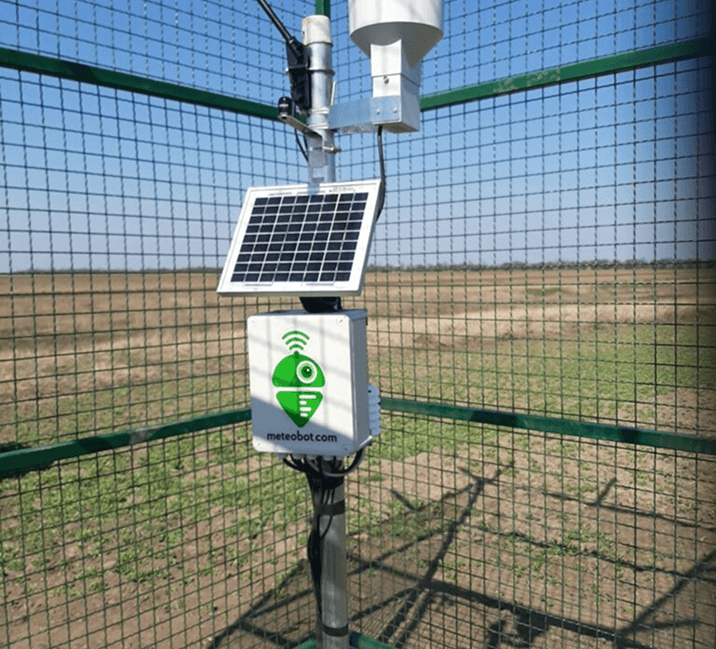
The area is characterized by a continental climate with four distinct seasons. Long-term climate normals indicate an average annual precipitation of approximately 550 mm and a mean annual air temperature of 11 °C.

However, during the recent period 2021–2025, weather conditions deviated from these long-term averages. Mean annual precipitation declined to 431 mm, while the average annual air temperature increased to 13 °C. Summers are typically hot and dry, and precipitation is unfavorably distributed throughout the growing season. The dry period is not limited to July and August, but commonly begins already in June, increasing the frequency and intensity of early-season water stress for crops.

SOIL TYPE

Pellic Vertisol
(heavy clay and acidic)

A horizon depth 25–70 cm
Total clay content > 80%
pH 4,5–7,5
Air capacity < 5%
K-Darcy 10⁻⁵
Soil organic matter 4–6%
Learn More

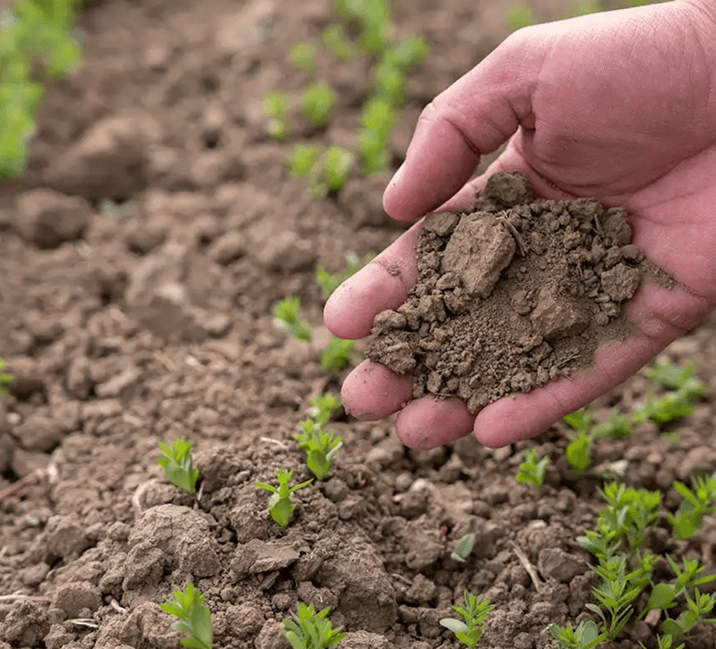
Our soils are predominantly heavy clay and acidic, which creates several management challenges, from slow warming in spring to compaction risks and restricted root development.

One advantage of our heavy clay soils is their high moisture-holding capacity. They slow water movement through the profile, keeping key nutrients like nitrogen in the root zone where plants can access them, rather than losing them through leaching or volatilization.

Our farming model is based on practical solutions developed and tested at scale

Organic certification sets important requirements. What it doesn’t provide is guidance on how to achieve stable results at scale. That’s what we focus on.

Large-Scale Organic Farming

Several elements work together to create stability in our system.

Well-planned crop rotations
Legume-based nitrogen provision
Integrated weed control
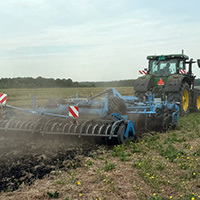
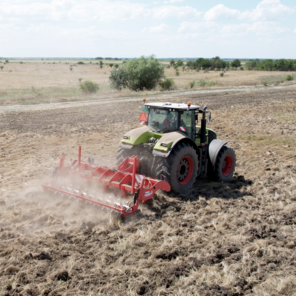
Soil conservation tillage
Periodic subsoiling to reduce soil bulk density in our heavy clay soil
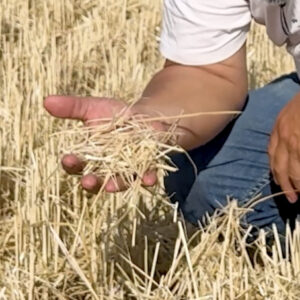
Incorporation of all crop residues
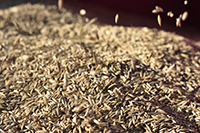
High-quality seed production

We share what we learn through videos, articles, and production data, so you can start from a stronger position.

Subscribe to our newsletter

Organic farming can deliver at scale

Organic farming is often viewed as difficult to scale or inconsistent in performance, but evidence from our farm shows a different, more promising picture emerging. Every farm’s context is different, but the principles that support our results apply broadly across organic production.

Large-Scale Organic Farming

The transition phase matters most. Especially during conversion.

For farmers transitioning from conventional to organic farming, or thinking about it, our results offer a strong case for confidence. The early years can bring uncertainty: yields may decrease during the conversion period, weed pressure often increases, and optimal timing of operations becomes more critical. These challenges are normal across organic systems.

For us, trial and error, strategic adjustments, and continuous learning have been key in helping us move through them. By sharing our knowledge and experience openly, we aim to reduce uncertainty and help others navigate the transition with more clarity and confidence.

Large-Scale Organic Farming

Resilience doesn’t come from inputs. It comes from system design.

With careful planning, climate-adequate crops and innovative practices, organic systems can become more stable, more resilient, and yield great results, year after year.

By prioritizing soil health, biodiversity, and sustainable farming methods, we are demonstrating that sustainability and productivity can go hand in hand, not just in theory, but in practice.

Interested in visiting our farm?

Tell us more about yourself, and we’ll notify you when farm-visit opportunities open.